Learn, Apply, Achieve.
Basic Course
LFA 717 Hyperflash HT
Language: English - Duration: 86 Min.
This Online course explains the
- theory of thermal conductivity,
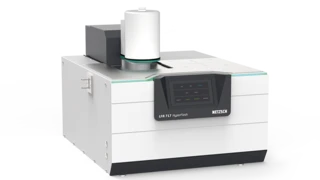
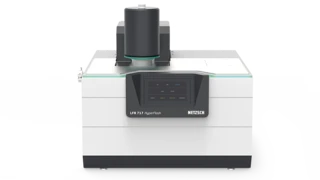
- your LFA 717 HyperFlash® HT instrument itself,
- the theory of LFA,
- which factors have an influence on your LFA Measurement,
- how to prepare your samples and sample holders
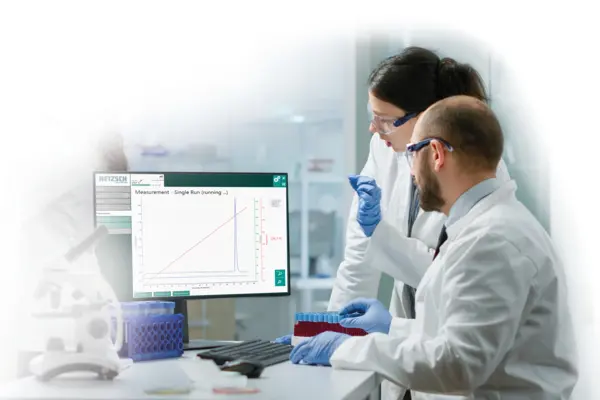
- how to start a measurement and
- how to evaluate thermal conductivity and diffusivity,
- how to do a standard calibration run
- and finally how to export the date
Syllabus
- Introduction of the speaker and the agenda
- Introduction
- What is Thermal Conductivity?
- Methods for Determination the Thermal Conductivity
- Application Examples
- Summary
- Introduction on the Product Guide of the NETZSCH LFA 717 HyperFlash® HT
- Instrument Overview and Connections
- Detector and Zoom Optics
- Front Panel
- Opening and Closing the Furnace
- Opening the Device: Internal Elements
- Standard Sample Holders
- Additional Tools
- Summary
- Introduction
- Introduction to the Flash Method
- Pulse Execution and Signal Determination
- Results Obtained from Signal Analysis
- Parker Model: AdiabaticAdiabatic descrie un sistem sau un mod de măsurare fără niciun schimb de căldură cu mediul înconjurător. Acest mod poate fi realizat utilizând un dispozitiv calorimetric în conformitate cu metoda calorimetriei cu rată de accelerare (ARC). Scopul principal al unui astfel de dispozitiv este de a studia scenariile și reacțiile termice scăpate de sub control. O scurtă descriere a modului adiabatic este "nu intră căldură - nu iese căldură".Adiabatic Conditions
- Standard Model (Improved Cape-Lehman Model)
- Additional Models
- Pulse Correction
- Baseline Types
- Summary
- Introduction on influential factors
- Influence of the Graphite Spray
- Influence of the Sample Geometry
- Influence of the Atmosphere
- Influence of the Specific Heat Capacity Determination
- Summary
- Introduction on Sample Preparation
- Sample Geometry
- How to Determine the Sample Thickness
- How to Determine the Sample Density
- Optimizing the Radiative Properties of the Surface
- Summary
- Introduction
- How to Fill the Detector
- Checking and Cleaning the Furnace Windows
- Placing the Sample and the Sample Holder into the Furnace
- Proteus® LFA Measurement Software: Before Measurement
- Proteus® LFA Measurement Software: Starting a Measurement
- Summary
- Introduction on evaluating a measurement
- Open the Database and the Measurement in the NETZSCH Proteus® LFA Analysis
- Thermal Diffusivity Analysis
- Specific Heat Capacity Determination
- Thermal Conductivity Determination
- Export of the Analysis Results
- Summary
- Course Summary
Explore the range of NETZSCH LFA instruments