- Rheology
- Polymers
- Rosand RH2000
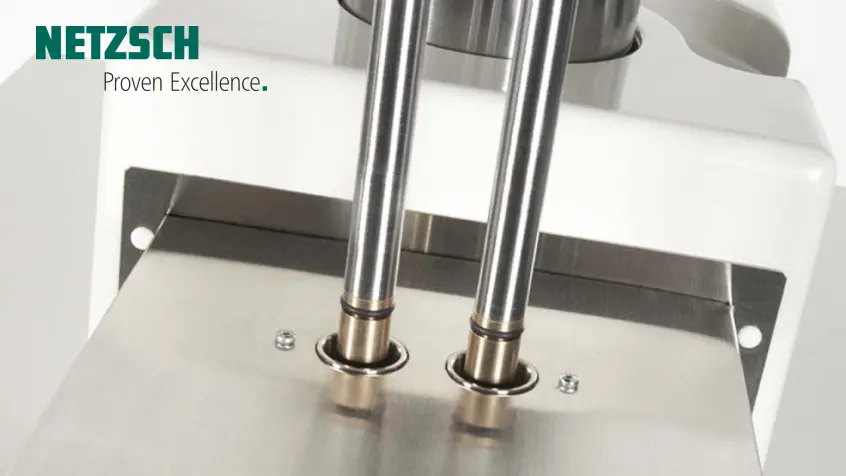
19.09.2023Working Principle of Capillary Rheometers
Traditionally, capillary rheometers have been used to measure the shear viscosity and elasticity of viscous materials at high shear rates. In this article and video, Natalie Rudolph (PhD) explains the working principle, parameters and their relations of the capillary rheometer.
- Polymers
- Additive Manufacturing
18.11.2020Vat Photopolymerization: Material Science in Additive Manufacturing
This week, the spotlight is on the Additive Manufacturing technology Vat Photopolymerization (VP, SLA, DLP). I explain the general process principle and its variations. Furthermore, I look at the material class that is commonly used and discuss benefits and applications of the process.
 12.11.2020
PicoTherm Corporation joins NETZSCH Group
We are pleased to announce that, effective October 30, 2020, PicoTherm Corporation joined the NETZSCH Group as a wholly owned subsidiary of NETZSCH Japan, K.K.
- Polymers
- Additive Manufacturing
11.11.2020Introduction to Additive Manufacturing
Welcome to week 1 of Material Science in Additive Manufacturing! This initial week of our video series is dedicated to generating a common understanding of Additive Manufacturing (AM), the different categories and tradenames along with the typical process flow. Enjoy!
- Rheology
- Rheometer
- Polymers
- Rosand RH2000
22.06.2023The Basics of Capillary Rheometry
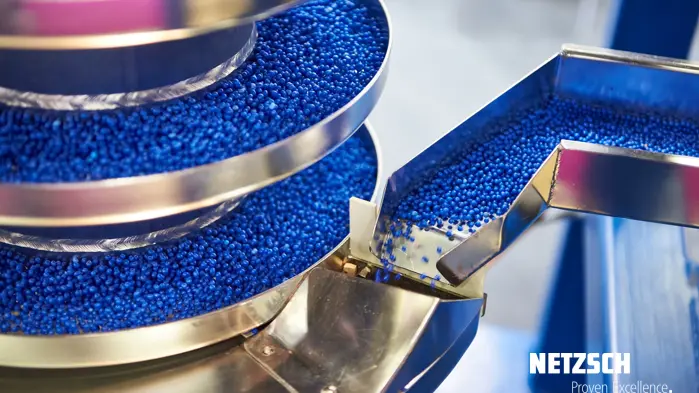
Rheology studies the deformation and flow of fluids. Traditionally, capillary rheometers have been used to measure the shear viscosity and elasticity of viscous materials at high shear rates. Learn why you need a capillary rheometer and what data you can obtain.

- Polymers
- Additive Manufacturing
04.11.2020Material Science in Additive Manufacturing: Our New Video Series!
Additive Manufacturing (AM) or 3D printing has become a constant in our product design and development cycles and is debuting in more and more new products. At NETZSCH Analyzing & Testing, we see more and more customers in the field of Additive Manufacturing using our equipment to select materials and optimize their processes. That is why we have been busy preparing this special video series and are excited to finally launch “Material Science in Additive Manufacturing”.

- Tire & Rubber
- DMA
- DiPLEXOR®
- DEA 288 Ionic
29.10.2020Material Behavior on a Nanoscale with the DMA GABO DiPLEXOR®
Rubber is a living material. During mechanical loading, rubber changes its mechanical behavior due to inner structural changes on the molecular scale. Learn in the video how the dynamic mechanical and dielectric properties of carbon black-filled rubber compounds can be analyzed.
- Polymers
- TMA
- TMA 402 F1 /F3 Hyperion®
26.10.2020Unique Tool for the Prediction of Product Performance and Processing Behavior under Thermal Expansion Control
- Polymers
- DMA
- Adhesives and Sealants
- Tire & Rubber
- DMA 242 E Artemis
20.10.2020Investigating phase separation in elastomer-toughened adhesives with DMA
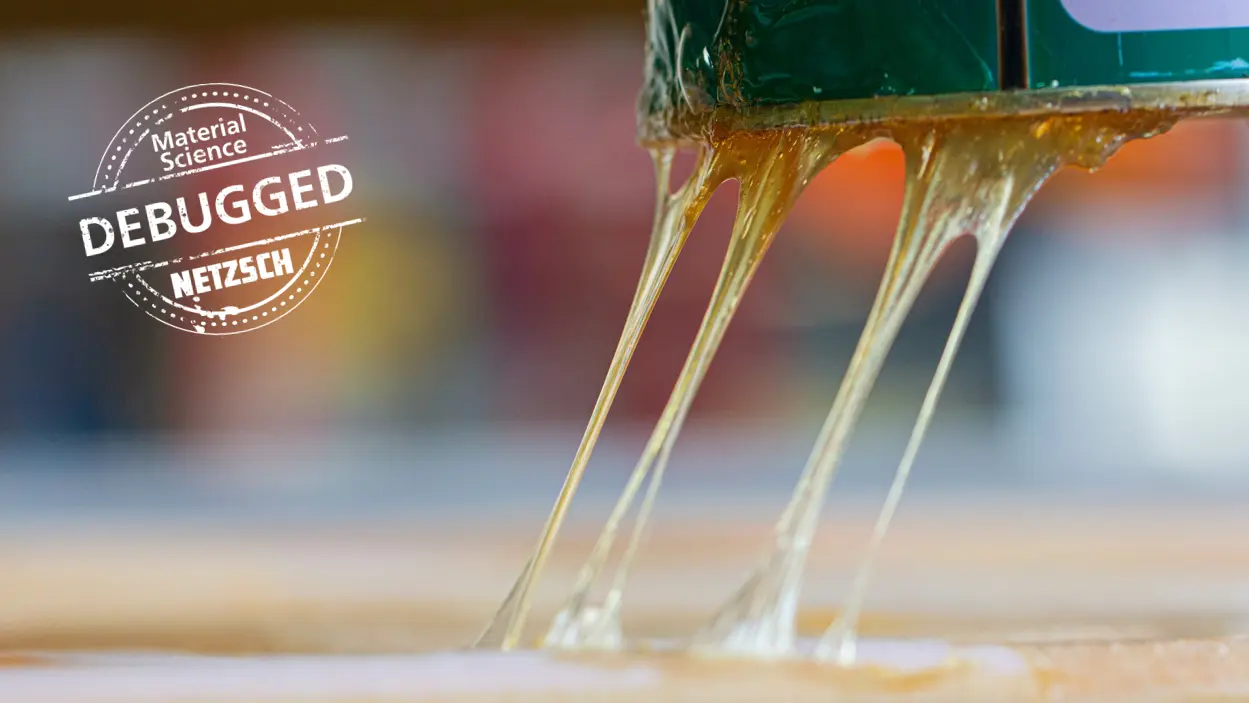
Many of the polymers that are used in adhesives are relatively brittle materials. To improve their toughness, different fillers or toughening agents are incorporated in the adhesive formulations. Phase separation occurs during the process of monomer conversion to polymer. An understanding of the phase separation behavior under different curing conditions and the development of the morphology are important. This editorial summarizes the application of the DMA in the investigation of thermal properties and phase separation in elastomer-toughened ethyl cyanoacrylate adhesive bulk films.

- Conference
14.10.2020ITCC 2021: Registration Open Now & First Speakers Announced
NETZSCH Instruments North America is hosting the combined 35th International Thermal Conductivity Conference (ITCC) and 23rd International Thermal Expansion Symposium (ITES) in Boston Massachusetts, USA. Registration to the event is currently open and the first plenary speakers have been annouced!