
- Food
- Rheology
- Rheometer
- Kinexus Prime Series
09.08.2023Perfecting Delicious… Optimizing the Rheology of Chocolate
Chocolate is one of the world’s favorite snack foods. The texture, or mouthfeel, of chocolate is critical for the consumer perception of product quality. It is possible to finely control the textural aspects of the signature flavor of chocolates. The mouthfeel can be characterized through the determination of flow ‒ by rheology. Learn how to do this in our article!
- Polymers
- Additive Manufacturing
19.04.2021Material Science in Additive Manufacturing
Additive Manufacturing (AM) or 3D printing has matured over the last decades and has become a constant in our product design and development cycles and is debuting in more and more new products. At NETZSCH Analyzing & Testing, we see more and more customers in the field of Additive Manufacturing using our equipment to select materials and optimize their processes. Learn more about Additive Manufacturing in our articles and videos!
- Polymers
- Additive Manufacturing
- Photo-DSC 204 F1
- Proteus®
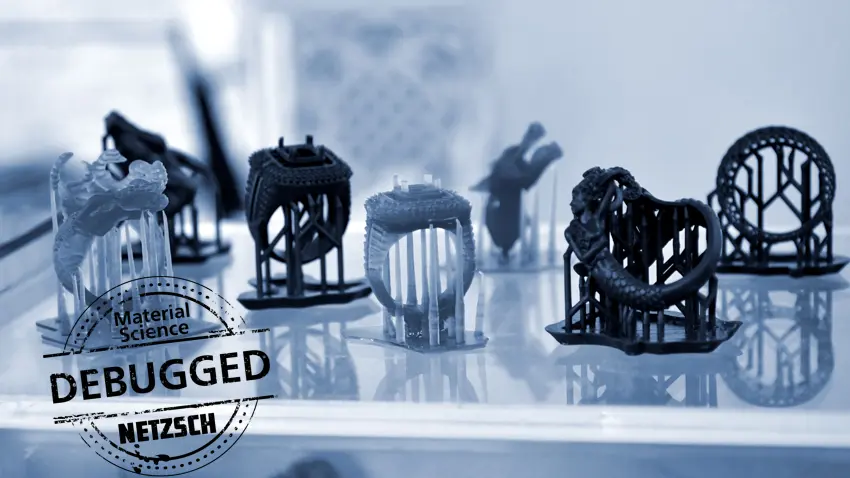
19.04.2021Investigating UV Exposure and Thermal Cure in Vat Photopolymerization
During the Vat Photopolymerization process, the component is built-up in layers in a liquid resin vat using a UV laser beam to selectively cure the resin. Learn how the degree of thermal cross-linking of a two-component resin is determined by the preceding cross-linking reaction during photo-polymerization.

- Polymers
- DSC
- Composites
15.04.2021How to Detect Cure State of Pre-Cured Composite Samples
Popular materials for lightweight applications are glass and carbon fiber-reinforced plastics. The properties of the composite material are determined by the manufacturing process conditions. Therefore, it is crucial to know the curing state reached during manufacturing as well as the correlation between the glass transition temperature and degree of cure.
- Polymers
- Additive Manufacturing
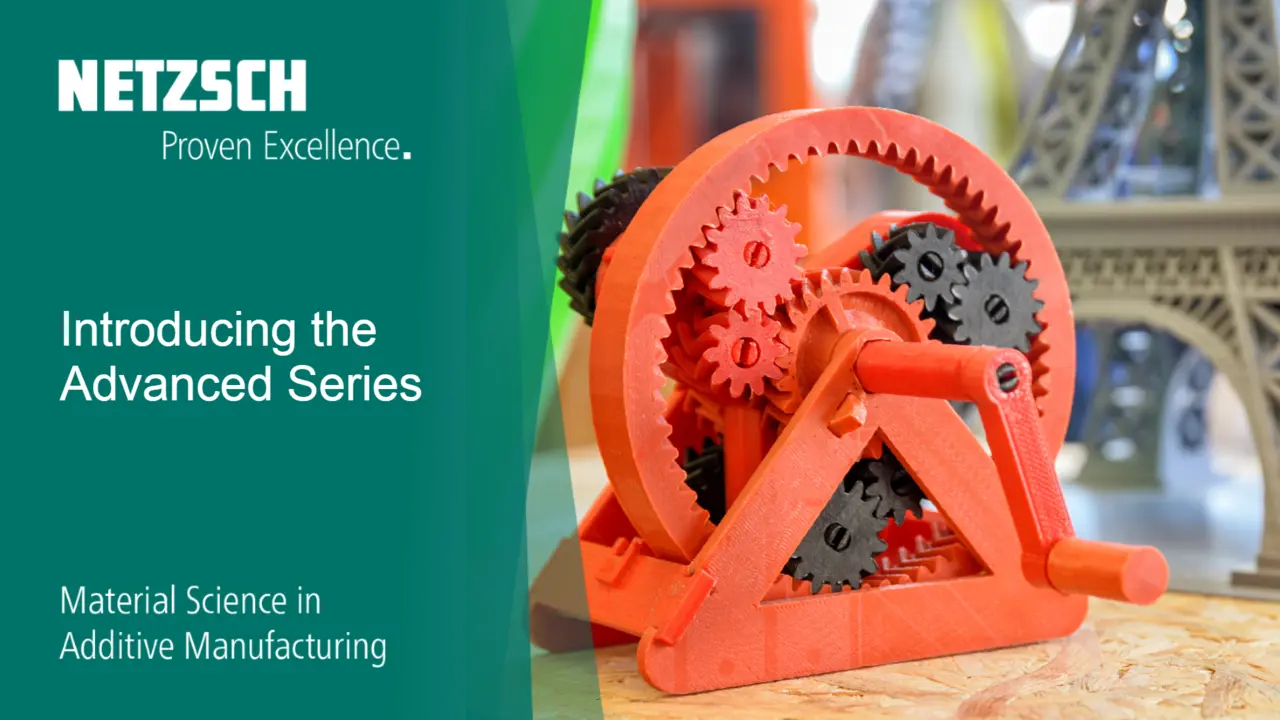
14.04.2021Material Science in Additive Manufacturing: Our Advanced Series!
In 2020, we started our “Material Science in Additive Manufacturing” video series as we faced an increasing interest from the industry to perfect their 3D printing processes and outcomes. First, we focused on understanding the 7 different Additive Manufacturing (AM) technologies. In the advanced section, we will dive deeper and look at the underlying material science as well as the methods suitable to analyze the materials and to optimize processes.
- Polymers
- DSC 204 F1 Phoenix®
- Proteus®
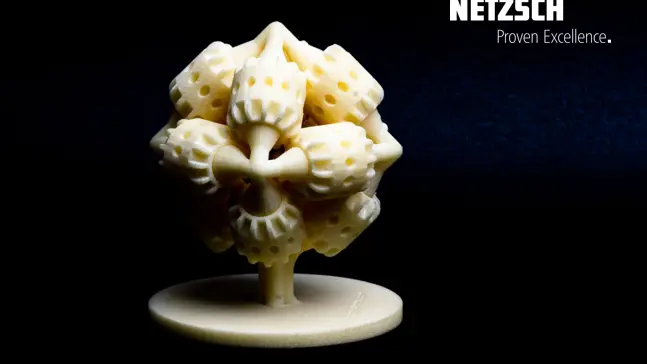
06.04.2021Measuring Specific Heat Capacity to Simulate SLS Processes
Significant efforts have been made to model and simulate the Selective Laser Sintering process as information about the temperature field in lower layers is difficult to measure. Learn how specific heat capacity can help!
- Polymers
- Additive Manufacturing
- 3D Printing myths
31.03.2021Why Does My 3D Print Warp and How to Stop It
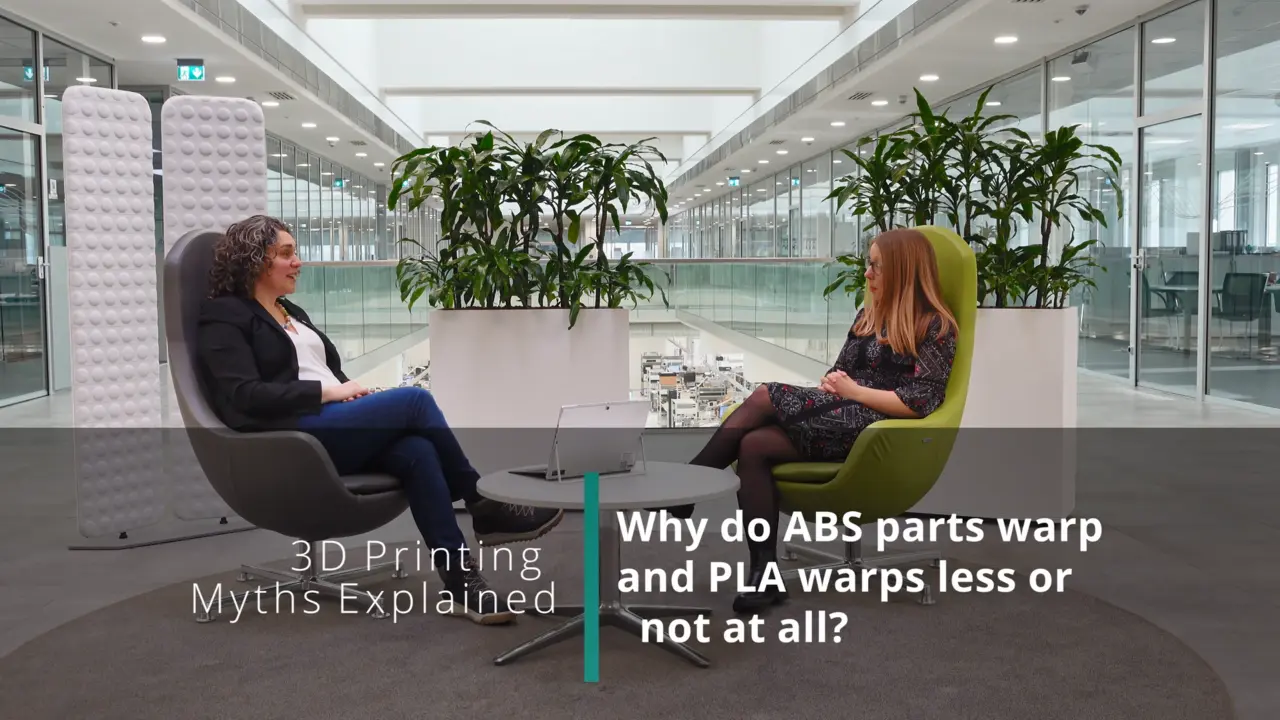
Dr. Natalie Rudolph explains the basics of shrinkage and warpage of plastic parts and introduces the right analytical instrument to determine the shrinkage potential of different materials. She gives important tips for home users to avoid warpage and curling during the 3D printing process.
- Polymers
- TMA
- TMA 402 F1 /F3 Hyperion®
25.03.2021Coefficient of Thermal Expansion: A Crucial Material Property
The design of parts and components made of fiber-reinforced composites needs to take the coefficient of thermal expansion into account because it determines the extent to which a material changes its dimensions when heated or cooled. Thermomechanical Analysis is the perfect method to predict product performance and processing behavior. Read our contribution to the journal Kunststoffe International for an overview of applications.
- Polymers
- Additive Manufacturing
- 3D Printing myths
24.03.2021How do I Find the Perfect Print Temperature for my Filament?
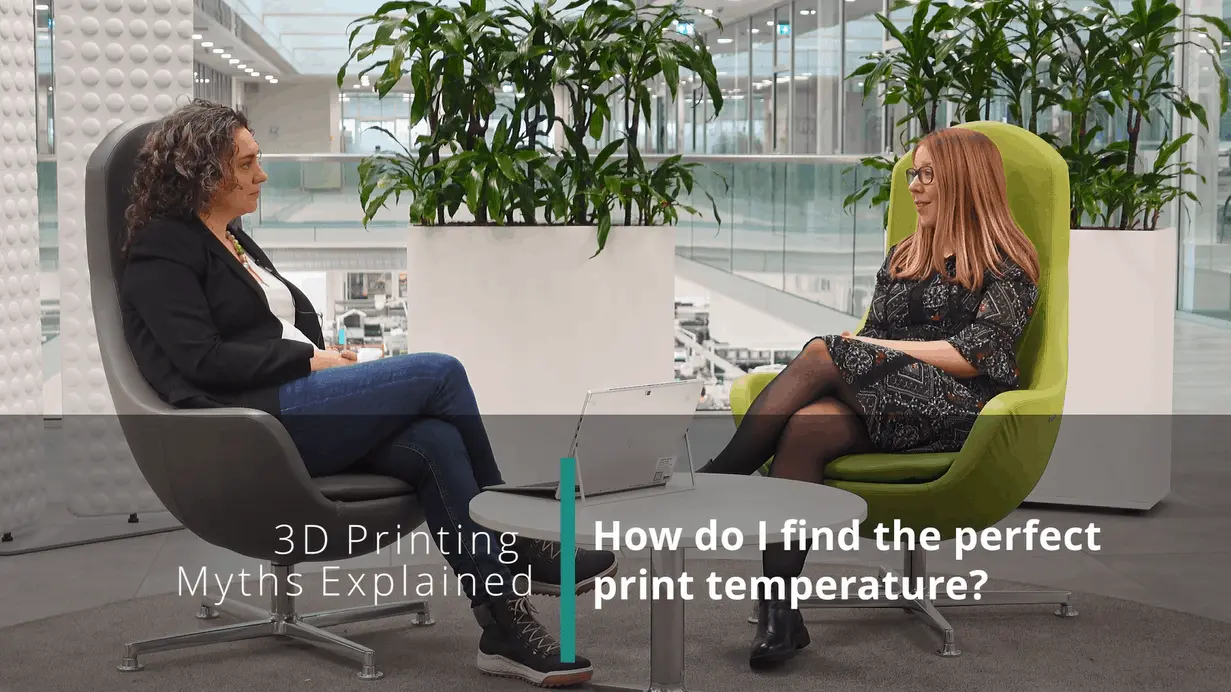
Dr. Natalie Rudolph explains which aspects have to be taken into account to find the best print temperature for your 3D printer. Most importantly, she introduces the Modified Melt Flow Test, which allows home users to easily determine the perfect print temperature for any given filament. All that is needed are a stop watch, a kitchen scale and a sharp object, e.g. a spatula.
- Polymers
- Additive Manufacturing
- Software
- DSC
- Identify
- Proteus®
22.03.2021New: Additive Manufacturing Materials in Identify
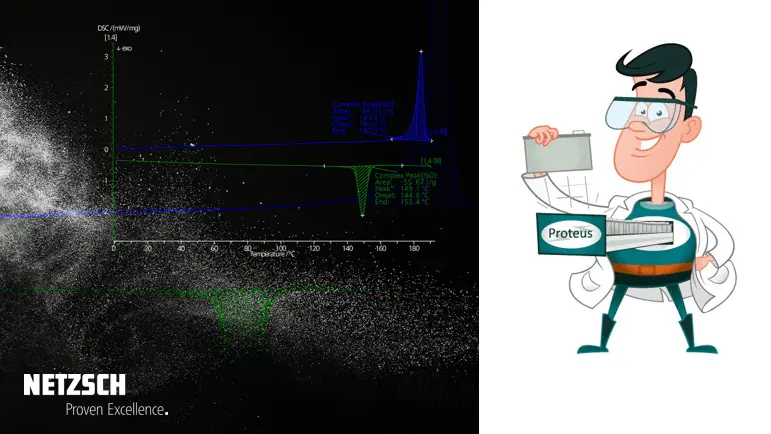
The Identify software is one of a kind in the field of Thermal Analysis. Via database comparisons, it only takes a second for Identify to identify and classify your samples. We have added Additive Manufacturing materials to our database! Read more in the article!