07.02.2022 by Dr. Ekkehard Post, Aileen Sammler
STA – The Analytical Instrument with 400,000 Combination Possibilities
Today, the STA is one of the most flexible analytical instruments in the NETZSCH portfolio. Users can select from among various types of furnaces, sensors, sample carriers, thermocouples, crucibles and other accessories. Moreover, simultaneous thermal analysis offers unique application possibilities.
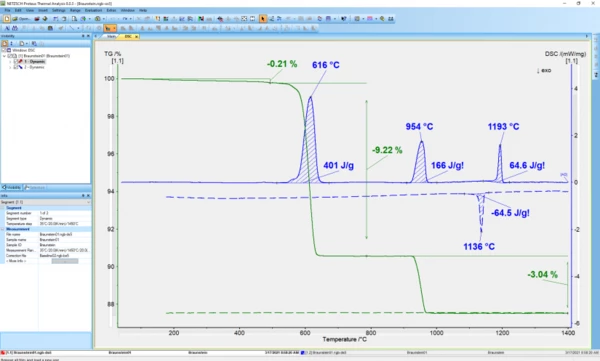
Today, the STA is one of the most flexible analytical instruments in the NETZSCH portfolio. Users can select from among various types of furnaces, sensors, sample carriers, thermocouples, crucibles and other accessories. Along with simultaneously recording of weight changes, simultaneous thermal analysis allows for the determination of melting points, phase transformations in the solid state, enthalpies and even specific heat – and this on one and the same sample under exactly the same measurement conditions. By using special furnaces, also measurements under humid atmospheres can be carried out under certain corrosive conditions or even at the highest temperature range.
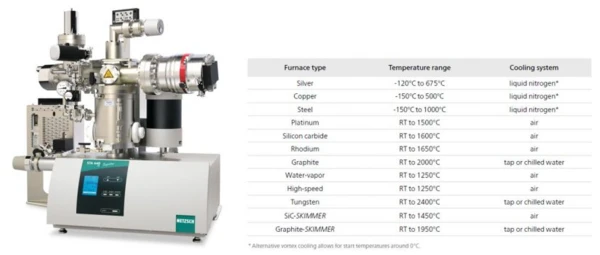
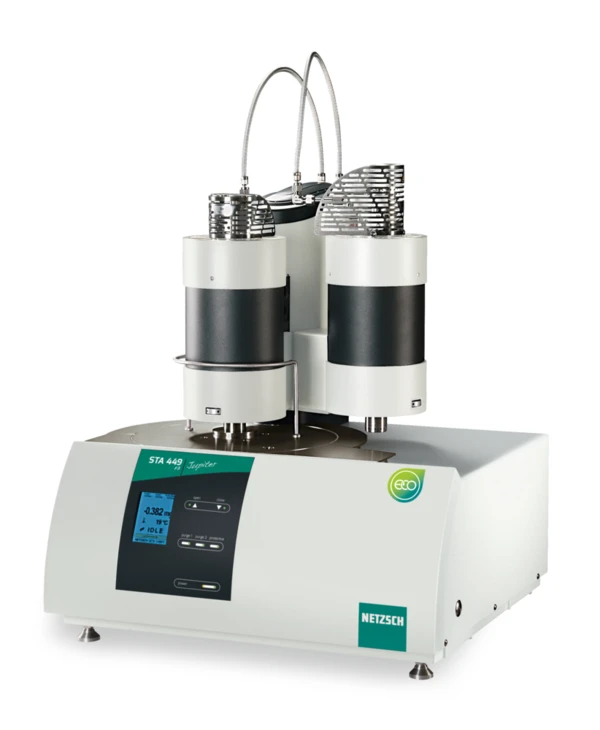
In order to adjust for various application areas, there are twelve furnaces available which the user can easily change out themselves. A double hoist enables the simultaneous connection of two furnaces for improved sample throughput or investigations in the low and high temperature range with the same apparatus.
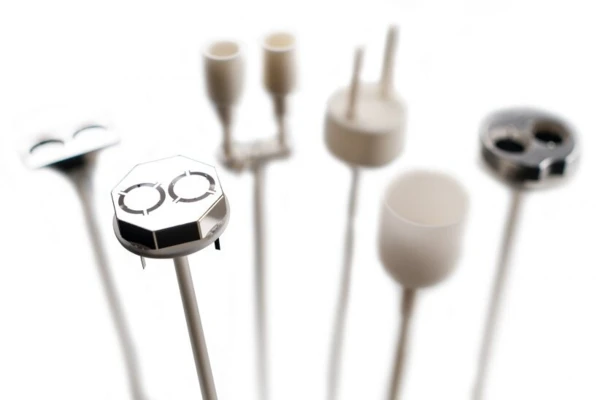
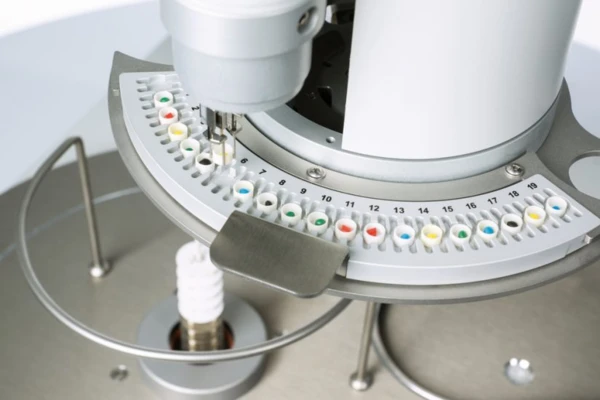
The type of crucible that is used for thermoanalytical measurements can have a strong influence on the results. The crucible material must furthermore not react with the sample. Therefore, a lot of different crucible materials (aluminum, silver, gold, copper, platinum, alumina, zirconium oxide, graphite, stainless steel, etc.), shapes and sizes are available for a variety of material and applications.

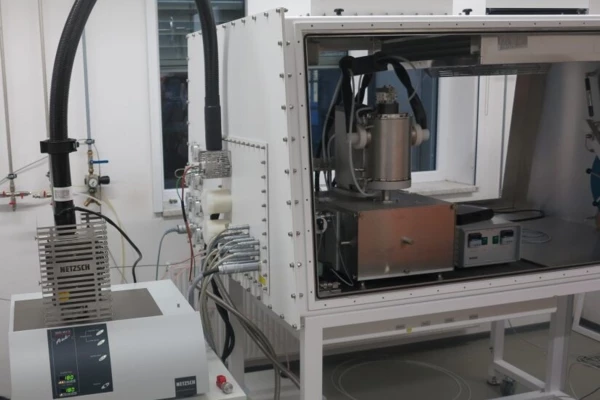
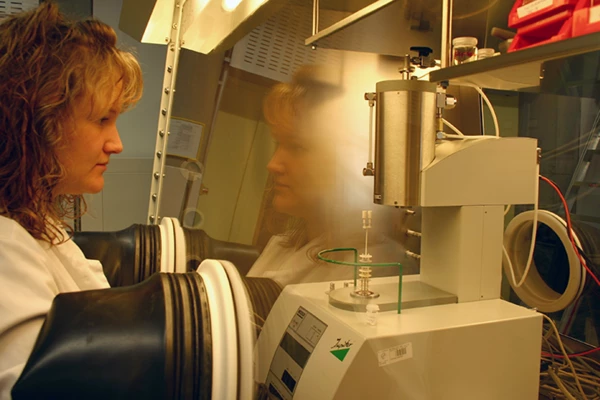
Other special constructions of STAs have been developed especially for applications in the chemical and nuclear fields. For such operations, they can be used within corresponding glove boxes and hot cells. Depending on the application or radiation level of the samples, appropriate shielding and stainless steel parts can be used or the electronic components can be placed outside the glove box or hot cell.
Continuous Development and Improvement
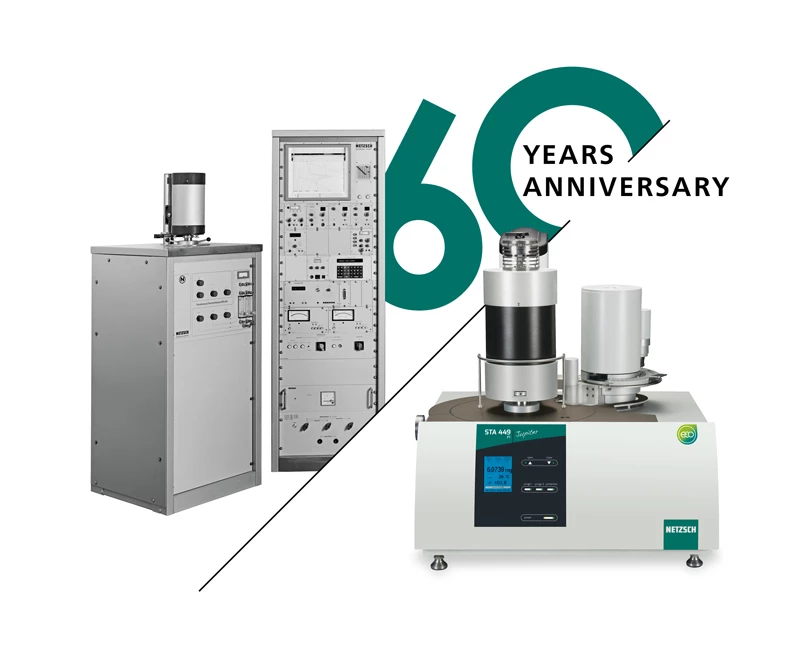
In more than 50 years of continuous development and production, there have, of course, also been significant changes in electronic data acquisition. The corresponding electronic components became increasingly smaller, more precise and faster in data acquisition. Favored by these smaller components, the data acquisition and power supply systems for the furnaces moved into the housing of the STA over several generations. External thermostat control of the balances is now a thing of the past and has been replaced by intelligent heating/cooling devices such as heating foils.
Further development of the STA has also been shaped by changes in data acquisition technology, advances in evaluation and presentation of the measurement results, and associated significant innovations in computer operation systems: From initial special basic versions under HP310 operating systems and later Windows-DOS-based software through the majority of Windows operating systems to Windows 10 and C-#- programming language now, the STA has continued to run smoothly.
Likewise, requirements and desires expressed by our customers in research, development and quality assurance have always been taken into consideration over the decades and continue to contribute to continuous improvement.