15.12.2025 by Aileen Sammler
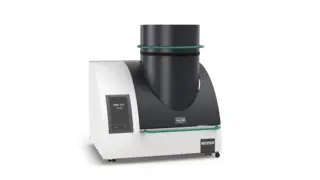
Introducing the MMC 315 Nexus®: Higher Sensitivity, More Possibilities, One Modular Platform
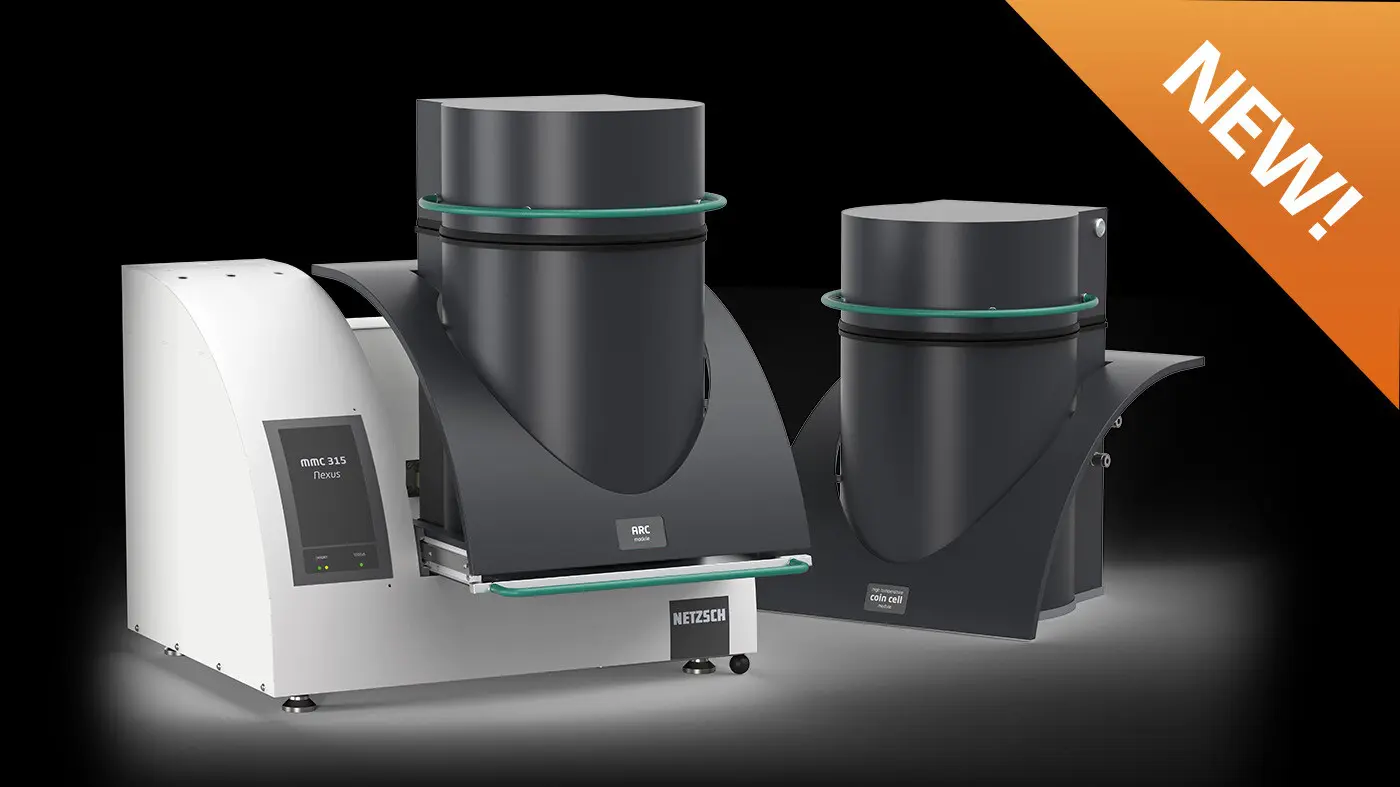
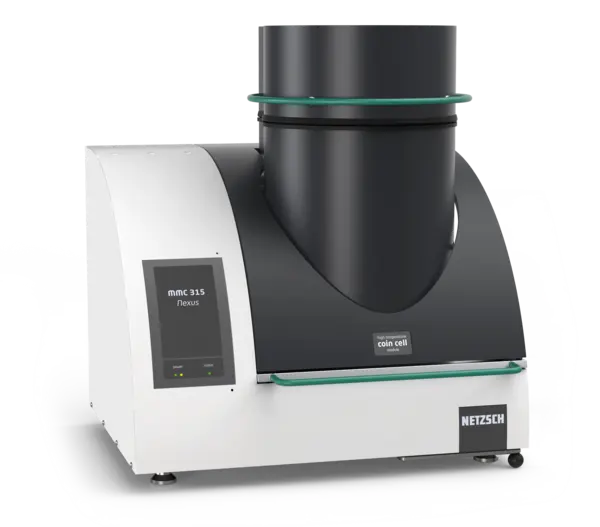
The new NETZSCH Multiple Module Calorimeter (MMC)A multiple mode calorimeter device consisting of a base unit and exchangeable modules. One module is prepared for accelerating rate calorimetry (ARC), the ARC-Module. A second one is used for scanning tests (Scanning Module) and a third and fourth one is related to battery and polymer, pharmaceztical testing for coin cells (Coin Cell Module).MMC 315 Nexus® represents the next evolution of modular calorimetry. The multiple-module calorimeter is based on the trusted Multiple Module Calorimeter (MMC)A multiple mode calorimeter device consisting of a base unit and exchangeable modules. One module is prepared for accelerating rate calorimetry (ARC), the ARC-Module. A second one is used for scanning tests (Scanning Module) and a third and fourth one is related to battery and polymer, pharmaceztical testing for coin cells (Coin Cell Module).MMC 274 platform and expands it with improved electronics, new calibration capabilities and a new High-Sensitivity Coin Cell ModuleA calorimeter module being part of the Multiple Module Calorimeter (MMC) allowing for scanning and isothermal tests of complete coins of variable size. The DSC-like twin design gives a differential signal of the heat signature during a heating ramp or charging and discharging of batteries.Coin Cell Module that reveals thermal effects previously too small to detect.
What to Expect:
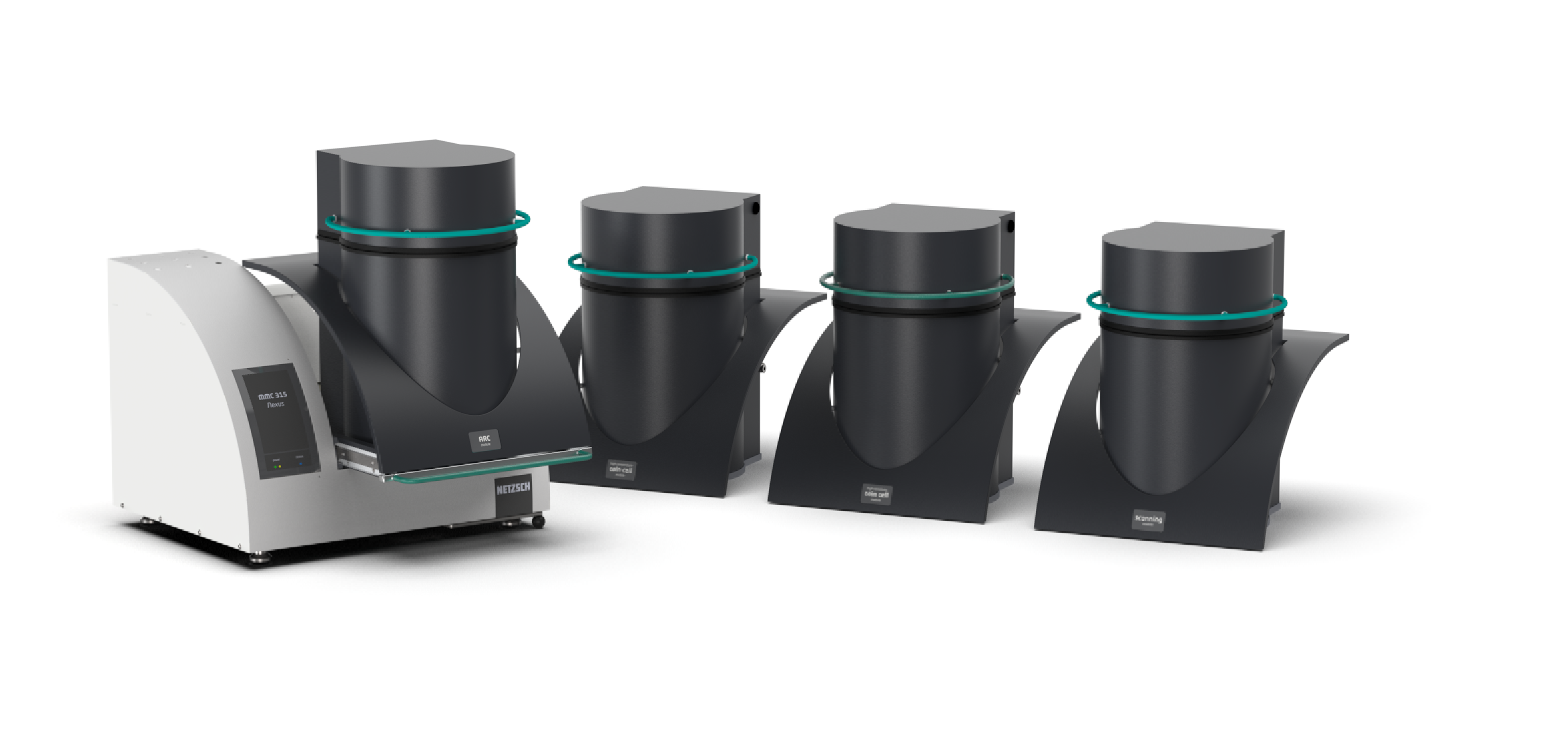
With this launch, the MMC 315 Nexus® officially replaces the Multiple Module Calorimeter (MMC)A multiple mode calorimeter device consisting of a base unit and exchangeable modules. One module is prepared for accelerating rate calorimetry (ARC), the ARC-Module. A second one is used for scanning tests (Scanning Module) and a third and fourth one is related to battery and polymer, pharmaceztical testing for coin cells (Coin Cell Module).MMC 274 Nexus®. All three established modules – Accelerating Rate Calorimetry (ARC)The method describing isothermal and adiabatic test procedures used to detect thermally exothermic decomposition reactions.ARC®, Scanning and High-Temperature Coin Cell ModuleA calorimeter module being part of the Multiple Module Calorimeter (MMC) allowing for scanning and isothermal tests of complete coins of variable size. The DSC-like twin design gives a differential signal of the heat signature during a heating ramp or charging and discharging of batteries.Coin Cell – remain available and compatible, now operating with enhanced precision and stability. A fourth module, the High-Sensitivity Coin Cell ModuleA calorimeter module being part of the Multiple Module Calorimeter (MMC) allowing for scanning and isothermal tests of complete coins of variable size. The DSC-like twin design gives a differential signal of the heat signature during a heating ramp or charging and discharging of batteries.Coin Cell Module, unlocks new applications across battery R&D, polymers, life sciences and quality assurance.
Effortlessly uncover key thermal properties, such as melting and CrystallizationCrystallization is the physical process of hardening during the formation and growth of crystals. During this process, heat of crystallization is released.crystallization temperatures, enthalpy, PolymorphismPolymorphism is the ability of a solid material to form different crystalline structures (synonyms: forms, modifications).polymorphism, and Glass Transition TemperatureThe glass transition is one of the most important properties of amorphous and semi-crystalline materials, e.g., inorganic glasses, amorphous metals, polymers, pharmaceuticals and food ingredients, etc., and describes the temperature region where the mechanical properties of the materials change from hard and brittle to more soft, deformable or rubbery.glass transition, while precisely identifying impurities. Gain deeper insights into your materials than ever before without having to add another instrument to your lab.
Experience exceptional performance and value with the new NETZSCH Multiple Module Calorimeter (MMC)A multiple mode calorimeter device consisting of a base unit and exchangeable modules. One module is prepared for accelerating rate calorimetry (ARC), the ARC-Module. A second one is used for scanning tests (Scanning Module) and a third and fourth one is related to battery and polymer, pharmaceztical testing for coin cells (Coin Cell Module).MMC 315 Nexus® – delivering precision and reliability at an impressively competitive price.
Improved Electronics & TrueJoule Calibration
The redesigned electronics provide more accurate pressure, voltage and current measurements, ensuring stable long-duration experiments and cleaner signals.
Another central innovation is TrueJoule Calibration, which performs all temperature and power steps in one automatic run and includes the calibration cell in the measurement environment. This approach is more accurate and faster than the classical melting-standard calibration, which is still available.
Importantly, the new High-Sensitivity Coin Cell ModuleA calorimeter module being part of the Multiple Module Calorimeter (MMC) allowing for scanning and isothermal tests of complete coins of variable size. The DSC-like twin design gives a differential signal of the heat signature during a heating ramp or charging and discharging of batteries.Coin Cell Module, improved electronics, and TrueJoule calibration are available as upgrades for Proteus® 9 users of the MMC 274 Nexus®, providing access to significantly increased detection performance without requiring a new system purchase.
Four Types of Analysis – One Instrument
The MMC 315 Nexus® offers four easily interchangeable modules, making it a versatile allrounder for process safety, screening of high reaction enthalpies, battery testing and characterization of polymers and pharmaceuticals.
- This module is ideal for chemical process safety, Thermal runawayA thermal runaway is the situation where a chemical reactor is out of control with respect to temperature and/or pressure production caused by the chemical reaction itself. Simulation of a thermal runaway is usually carried out using a calorimeter device according to accelerated rate calorimetry (ARC).thermal runaway studies/Heat-Wait-Search (HWS)Heat-Wait-Search is a measurement mode used in calorimeter devices according to accelerating rate calorimetry (ARC).heat-wait-search testing, energetic materials, exaggerated-condition testing, and long-term storage behavior evaluation. Researchers gain reliable data for scale-up decisions and safety assessments.
- Designed for controlled thermodynamic studies: IsothermalTests at controlled and constant temperature are called isothermal.isothermal tests, constant temperature rate measurements, constant power tests and screening of high reaction enthalpies.
- A proven module for battery calorimetry, allowing analysis of full- and half-cell stacks under realistic conditions – including charge/discharge calorimetry, impedance spectroscopy and efficiency studies. And it can also be used as a high-volume DSC.
- The highlight of the MMC 315 Nexus®. Its 12× higher sensitivity enables detection of subtle thermal signals such as melting transitions, CrystallizationCrystallization is the physical process of hardening during the formation and growth of crystals. During this process, heat of crystallization is released.crystallization, PolymorphismPolymorphism is the ability of a solid material to form different crystalline structures (synonyms: forms, modifications).polymorphism, impurities and formulation deviations. This is valuable not only for batteries, but also for polymers, pharmaceuticals, cosmetics and food products. With its true four-wire connection, it also supports EIS using an external potentiostat.
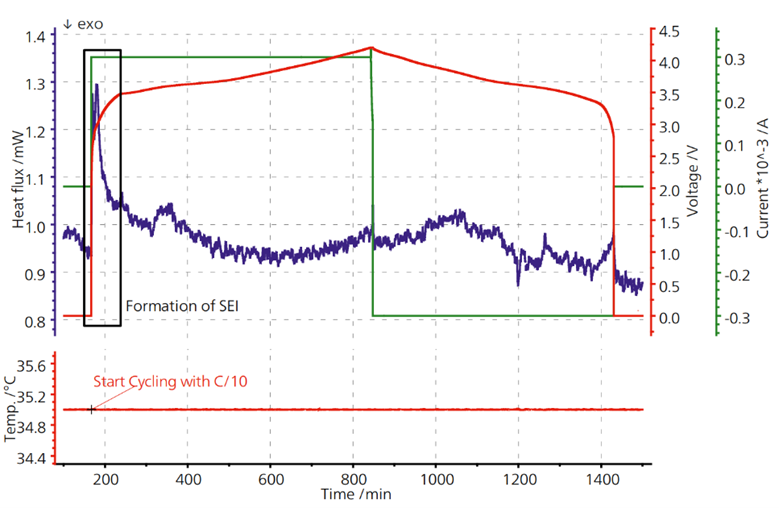
This increased sensitivity even makes the formation of the so-called solid electrolyte interphase layer (SEI-layer) in batteries visible. Thus, the module functions as a battery evaluation system for Coin Cell ModuleA calorimeter module being part of the Multiple Module Calorimeter (MMC) allowing for scanning and isothermal tests of complete coins of variable size. The DSC-like twin design gives a differential signal of the heat signature during a heating ramp or charging and discharging of batteries.coin cell -type batteries. Moreover, it can also be used as a high-volume DSC for polymers and pharmaceuticals.
Module Comparison at a Glance
Who Benefits Most?
The MMC 315 is intended for a broad technical audience:
- Process safety engineers monitoring reaction hazards and Thermal StabilityA material is thermally stable if it does not decompose under the influence of temperature. One way to determine the thermal stability of a substance is to use a TGA (thermogravimetric analyzer). thermal stability
- Battery researchers studying degradation, efficiency and small-scale calorimetry
- Polymer and life science laboratories analyzing melting/CrystallizationCrystallization is the physical process of hardening during the formation and growth of crystals. During this process, heat of crystallization is released.crystallization and im-/purity
- QA teams needing precise and repeatable thermal data
The instrument serves both industry and academia, from early-stage material screening to advanced calorimetric analysis.
The new MMC instrument comes with the Proteus® 9 software. It runs under Windows 11 and provides full integration for all modules.
Detect Hazards, Quantify Heat, and Design Safer Processes with the MMC 315 Nexus®
Meet the MMC 315 Nexus® Live
Visit us at the following trade shows to see the new multiple-module calorimeter in action. In direct conversation, you will gain valuable insights into the versatile applications of the MMC 315 Nexus® and can ask individual questions regarding your specific requirements.
- Conference on Battery Direct Recycling 2026, Würzburg, Feb 3–5
- analytica 2026, Munich, April 24–27
A webinar introducing the system will follow soon.
Find out more about the new MMC 315 Nexus®:
Your Inside Track to NETZSCH Expertise
✉️ Newsletter
Receive exclusive application examples, product news and event invitations. Learn from our experts and be the first to know about new solutions.