- Polymere
- Additive Manufacturing
- 3D Druck Mythen
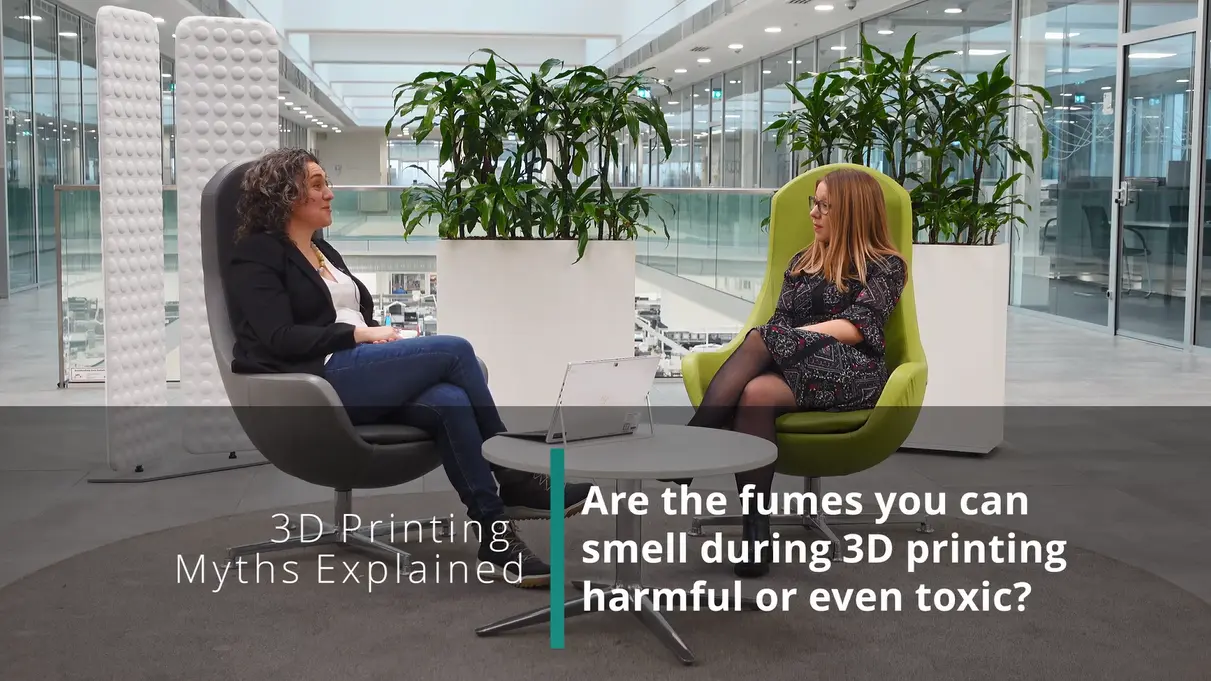
17.02.2021Are The Fumes You Can Smell During 3D Printing Harmful or Even Toxic?
We took your questions related to common 3D printing issues and categorized them into what we call 3D printing myths – common concerns and sometimes misconceptions of this industry. Today, Dr. Natalie Rudolph explains how analytical devices can detect and identify the volatiles in such fumes released during 3D printing and gives important tips on what to pay attention to when printing with a 3D printer at home.
- Polymere
15.02.2021Warum wir an Ringversuchen teilnehmen und warum Sie es auch tun sollten
NETZSCH nimmt in diesem Jahr wieder an verschiedenen Ringversuchen mit Kunststofffokus teil. Erfahren Sie mehr darüber, warum Ringversuche auch für Sie interessant sein können und wie Sie an den Ringversuchen des Kunststoff-Institut Lüdenscheid teilnehmen können.
- Metalle und Legierungen
- Additive Manufacturing
- LFA 467 HT HyperFlash
- DIL 402 Expedis® Select
- DIL 402 Expedis® Supreme
- DSC 404 F1 Pegasus®
- DSC 404 F3 Pegasus®
10.02.2021Metal Additive Manufacturing and the Need for Reliable Thermophysical Property Data
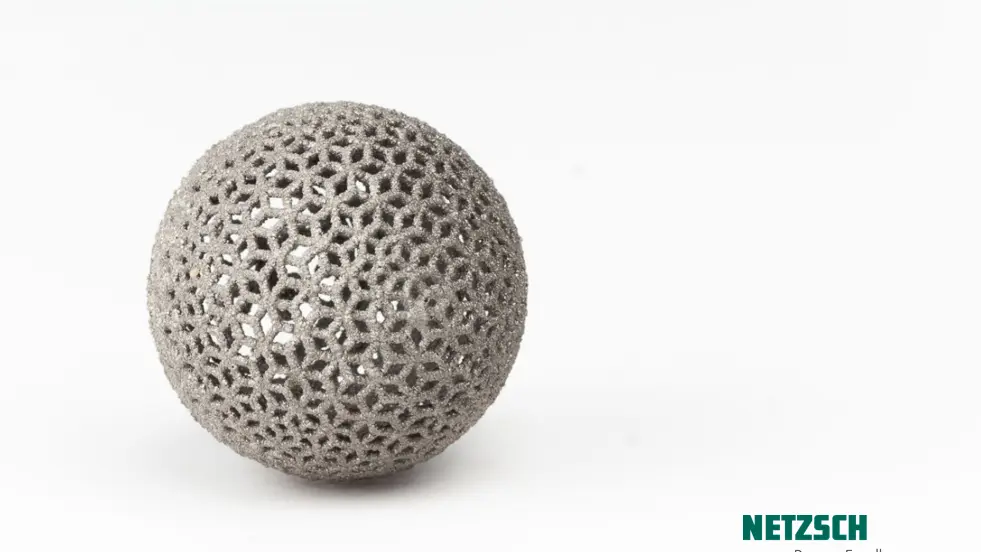
Additive Manufacturing (AM) encompasses a variety of technologies suitable for producing components from liquid, solid or powder feedstocks. Selective Laser Melting (SLM), a powder-bed fusion process, has become a commonly used AM process for rapid prototyping and component manufacturing using metals, alloys and, to a lesser extent, ceramics. Learn more about SLM, suitable materials and how to optimize input parameters for improved product quality using Thermal Analysis.
- Rheology
- Kinexus Prime Series
- Rosand RH2000
- Rosand RH7/RH10
- rSpace
- Flowmaster
08.02.2021One Year of Kinexus and Rosand Rheometers at NETZSCH: A Personal Note
One year ago, NETZSCH Analyzing & Testing announced the extension of its product portfolio with the Kinexus rotational rheometers and Rosand capillary rheometers. Our Rheology Application Specialists look back on the highlights and hint at the important topics coming up in 2021.
- Additive Manufacturing
- Metalle und Legierungen
- Composites
03.02.2021Directed Energy Deposition: Material Science in Additive Manufacturing
While Powder Bed Fusion and Binder Jetting evolved to also using metals, Directed Energy Deposition was specifically developed for this class of materials. We introduce the process principle and variations, benefits and applications of the Additive Manufacturing technology.
- Fire Testing
- Baumaterialien
- Pharma
- TRDA/TRDL
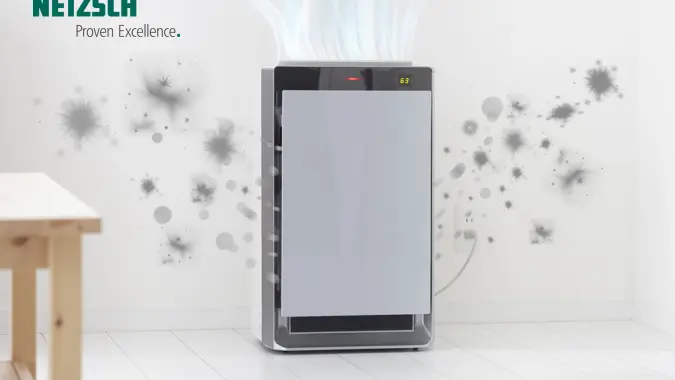
02.02.2021Mobile Klimageräte zur Vermeidung einer „Corona“-Virus Infektion – Eine effektive Lösung?
Geschlossene Innenräume stellen durch die Verbreitung des „Coronavirus“ über Aerosole vor allem im Winter ein Problem dar, da wegen der kalten Temperaturen das Lüften von Räumen nur eingeschränkt möglich ist. Der Expertenkreis Aerosole beschäftigt sich damit, in welchem Ausmaß die Partikelkonzentration in geschlossenen Innenräumen mit Hilfe von hochwirksamen Innenraumfiltern vermindert werden kann. Dabei kam auch der Rauchdichte Analysator von NETZSCH Taurus Instrument zum Einsatz. Lesen Sie mehr im Artikel!
- Baumaterialien
- Fire Testing
- TCC 918
28.01.2021Warum ein Cone Calorimeter (ISO 5660-1) Leben retten kann
Brandprüfungsvorschriften sind unerlässlich, um die Entflammbarkeit und Brandausbreitung auf einem überschaubaren Niveau zu halten. Bei der “Prüfung des Brandverhaltens” wird ein Cone Calorimeter verwendet, um die Wärmefreisetzungsrate und dynamische Rauchentwicklung einer Materialprobe einzuschätzen. Lesen Sie wie unser neues Cone Calorimeter die genaue Bestimmung der HRR erlaubt und Hinweise auf den Beitrag eines Materials zur Brandentwicklung und -ausbreitung gibt.
- Polymere
- Additive Manufacturing
27.01.2021Sheet Lamination: Material Science in Additive Manufacturing
Whole layers are generated of cut sheet material layers, which are bonded together before cutting them into the desired shape. We introduce the process principle, benefits and applications of the Additive Manufacturing technology Sheet Lamination.
- Polymere
- Additive Manufacturing
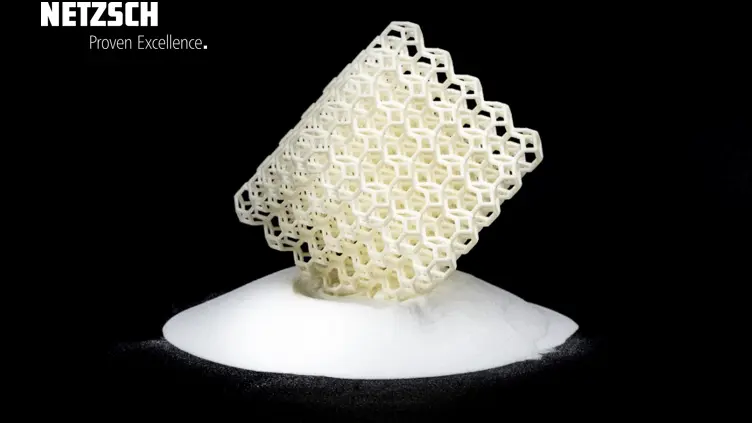
20.01.2021Binder Jetting: Material Science in Additive Manufacturing
The Additive Manufacturing technology Binder Jetting is very similar to Powder Bed Fusion. Although there are many similarities of the two processes, the material properties that can be achieved are very different. Learn about the process principle and applications of Binder Jetting!
- Polymere
- Additive Manufacturing
- Composites
- DSC 214 Polyma
18.01.2021Wilo: Better Performance with Fiber-Reinforced 3D Printed Components
Wilo SE is a worldwide manufacturer of pumps and pump systems for building services, the entire water management chain and industry. It comes as no surprise that Wilo is working with cutting-edge technologies such as Additive Manufacturing. Learn how they use the NETZSCH DSC 214 Polyma to understand the thermal behavior of new material choices.