- Polymere
- Additive Manufacturing
- Photo-DSC 204 F1
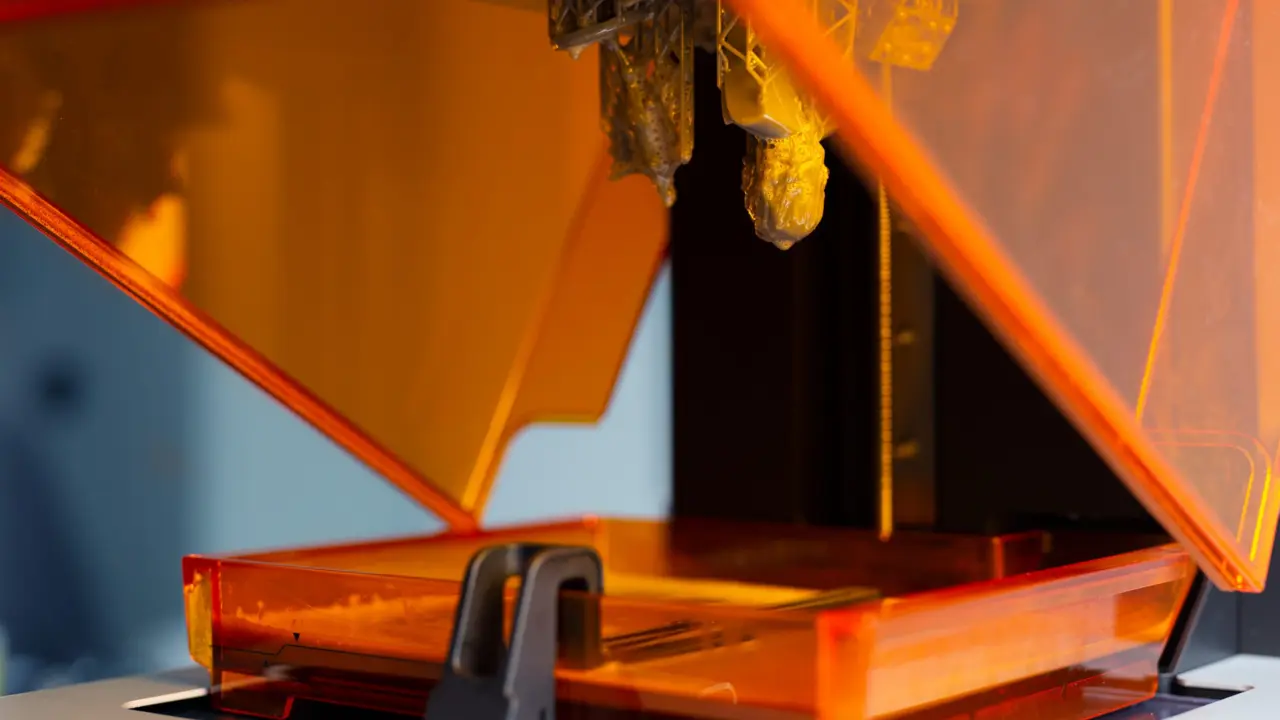
15.03.2021How Photo-DSC Advances Test Protocols of Liquid Samples for Additive Manufacturing
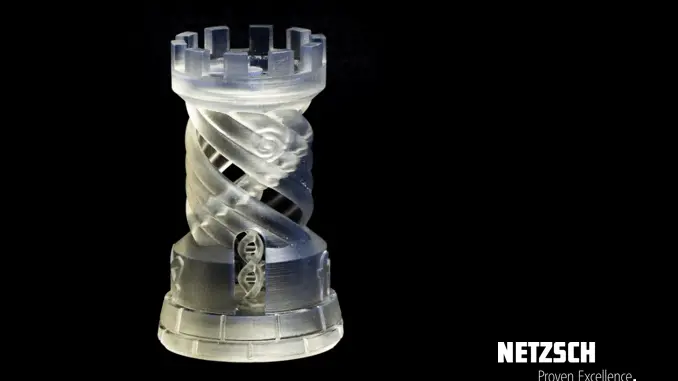
Photopolymers have gained increased importance in many industries. Digital Light Synthesis (DLS), an Additive Manufacturing Technology, is a prime example for the usage of photopolymers. Learn why the NETZSCH Photo-DSC is a proven method to optimize the Additive Manufacturing process.
- Polymere
- DSC
- Circular economy
15.03.2021Was bedeutet Kreislaufwirtschaft?
Die Kreislaufwirtschaft stellt ein alternatives, nachhaltigeres Modell zur traditionellen linearen Wirtschaft dar. Wir bei NETZSCH Analysieren & Prüfen werden regelmäßig mit der Analyse von temperaturabhängigen Eigenschaften nachhaltiger Materialien betraut. In den nächsten Blogartikeln möchten wir das Konzept der Kreislaufwirtschaft erläutern, welche Rolle Kunststoffe dabei spielen und wie analytische Geräte die erforderliche Materialentwicklung ermöglichen.
- Pharma
09.03.2021Spotlight auf amorphe/mesomorphe Pharmazeutika
Unsere Videoserie "Experteneinblicke in die Substanzanalyse" geht weiter! Dr. Joana Pinto (Research Center Pharmaceutical Engineering GmbH) stellt drei Beispiele vor, in welchen die Wechselwirkung von Wirkstoffen und Hilfsstoffen mit Hilfe von Thermischer Analyse untersucht wird.
- Polymere
- Additive Manufacturing
- DMA
- DMA 242 E Artemis
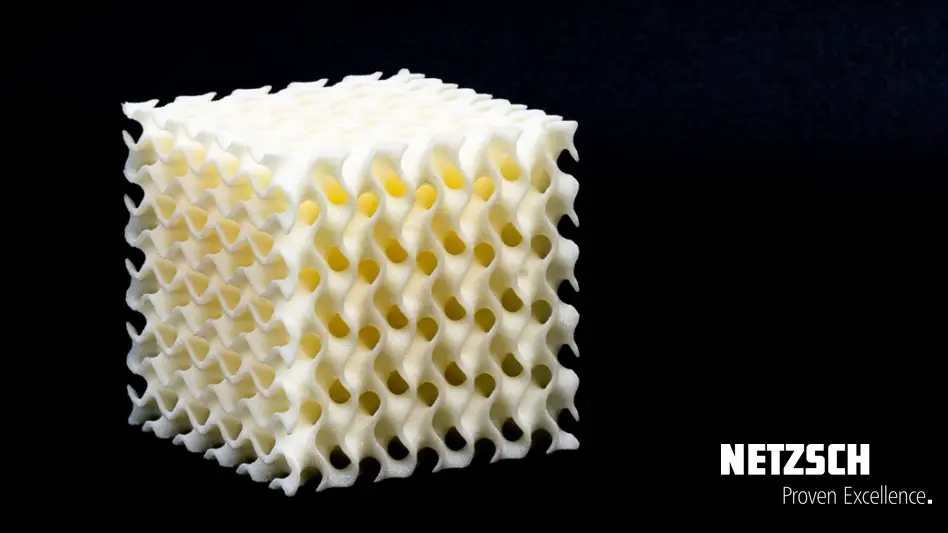
08.03.2021Estimating Residual Stresses in SLS Parts Using DMA
Selective Laser Sintering (SLS) is one of the most used Additive Manufacturing technologies to produce structural plastic parts. When operated at elevated temperature, any residual stresses could be detrimental for the part performance. In order to better understand residual stresses, knowledge of a material’s modulus is needed. Learn more about residual stress and how to measure the material property using a thermal analysis method.
- Polymere
- DSC
- Rheology
- Circular economy
- Kinexus Prime Series
- DSC 204 F1 Phoenix®
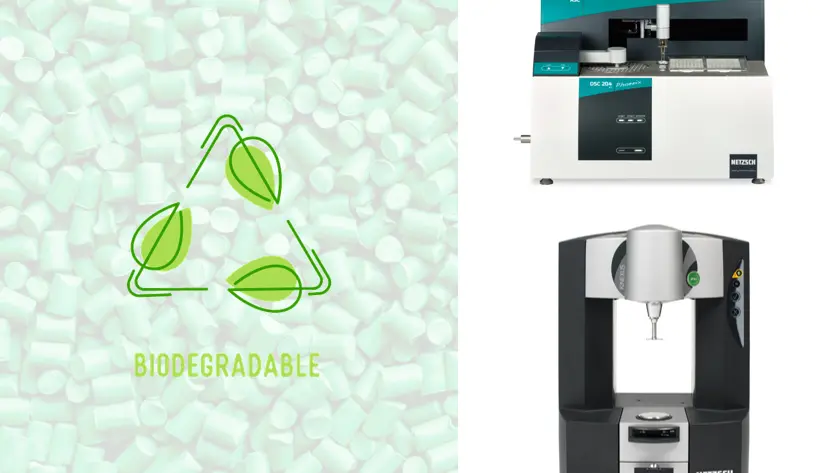
04.03.2021Verarbeitung von Biopolymeren: Wie thermische Analyse und Rheologie helfen
Biopolymere sind eine attraktive Alternative zu Polymeren, die aus fossilen Brennstoffen gewonnen werden, und werden heute hauptsächlich in der Verpackungsindustrie eingesetzt. Ihr Kristallisationsverhalten erschwert jedoch die Verarbeitung dieser neuen Materialien. Erfahren Sie, wie thermische Analyse und Rheologie Lösungen zur Untersuchung der relevanten Materialeigenschaften bieten.
- Polymere
- 3D Druck Mythen
- Additive Manufacturing
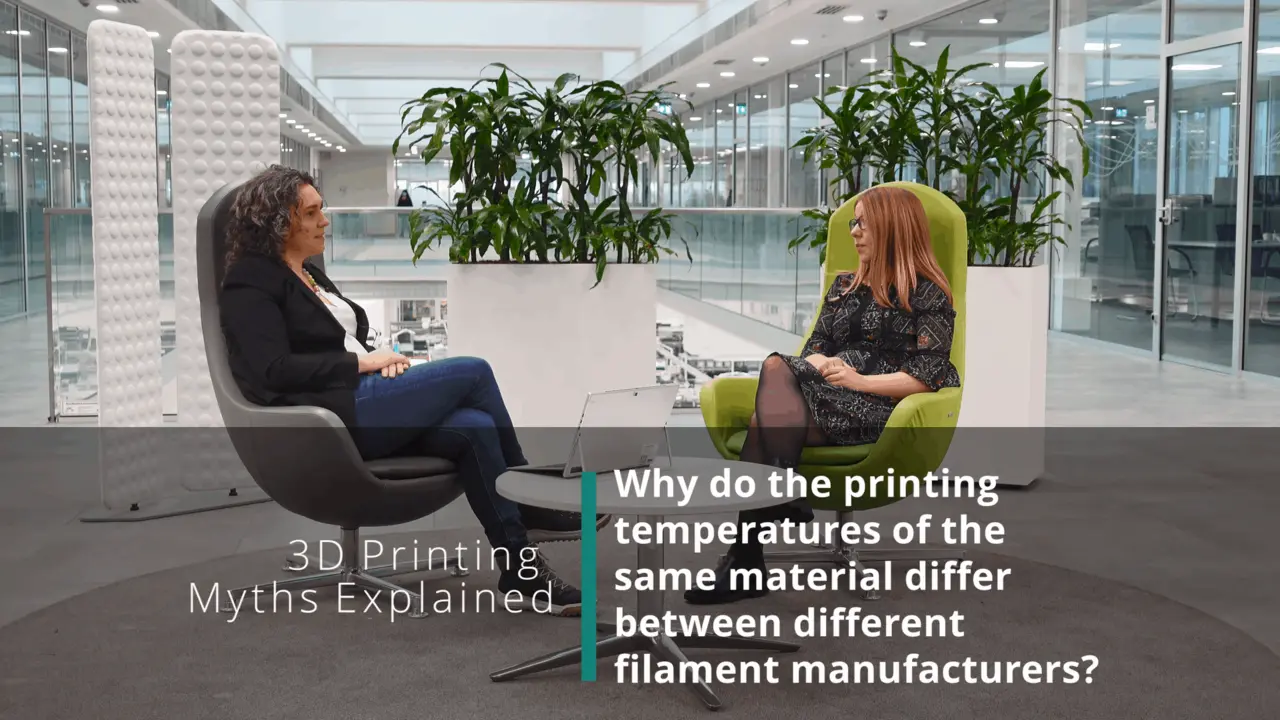
03.03.2021Why Do Printing Temperatures of the Same Material Differ Between Different Filament Manufacturers?
Dr. Natalie Rudolph discusses why there are different printing temperatures for one material (e.g., ABS or PLA), which you bought from different filament suppliers. She shares insights into the detection of the melting and softening properties of filaments with analytical instruments and gives tips on how home users of 3D printers can use this knowledge.
- Polymere
- LFA
- Composites
- LFA 467 HyperFlash®
01.03.2021Developing Conductive Polymers for Metal Replacement
Filler type, filler content and filler orientation: everything plays a role when it comes to tailoring thermal conductivity of polymers for specific applications, such as in the well-known field of Metal Replacement. Read how our customer DOMO Engineering Materials uses our instrument to research conductive raw materials.
- Polymere
- Additive Manufacturing
- 3D Druck Mythen
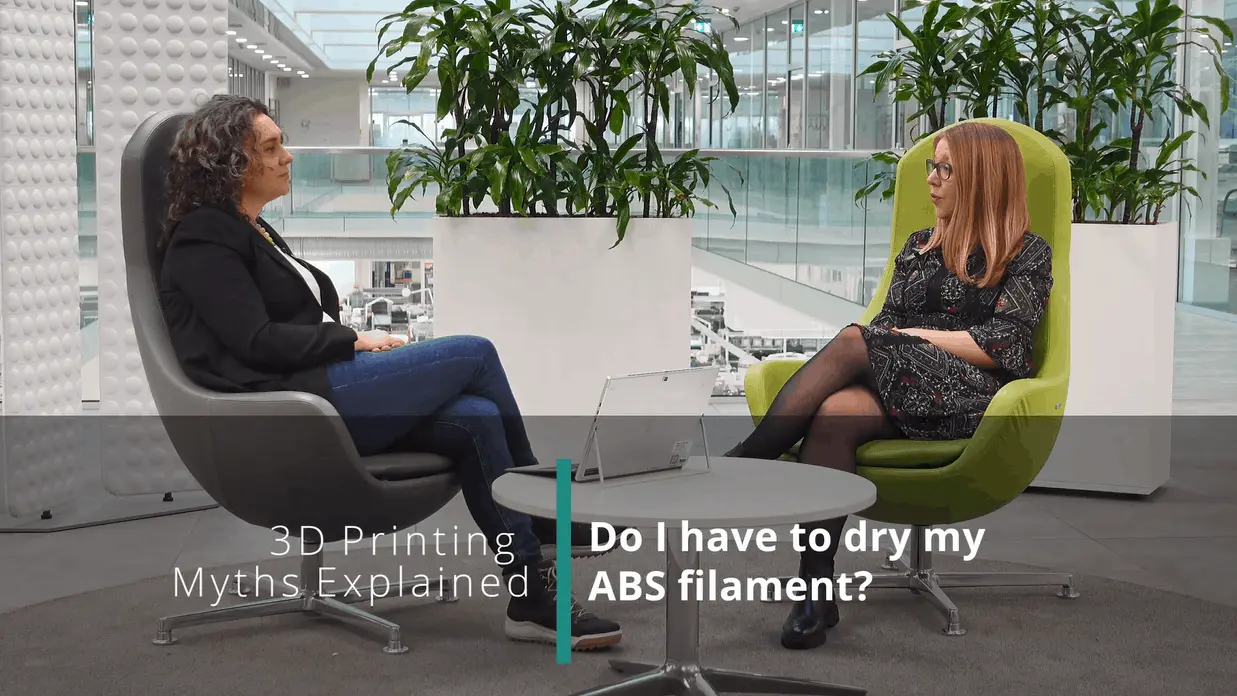
24.02.2021Do I Have to Dry my ABS Filament?
Today, we answer the question if ABS filament absorbs water from the humidity in the air. Dr. Natalie Ruldolph explains why different plastics react differently to humidity in the environment and gives advice on what home users can do about it.
- Polymere
- Additive Manufacturing
- TMA
22.02.2021Estimating Warpage of Selective Laser Sintering Parts Using Thermomechanical Analysis
The plastics used in Selective Laser Sintering (SLS) have a higher thermal expansion when compared with other materials. Therefore, it is important to know how the dimensions of an SLS part change at different temperatures during the build and during use. The higher the thermal expansion coefficient, the more prone are the parts to warpage or curling and the build-up of residual stresses. Learn more!
- Rheology
- Batterien
- Webinar
18.02.2021Another Step Forward in our Cooperation with Malvern Panalytical
If the extraordinary events of 2020 have taught us anything, it is that collaboration and teamwork are the best foundation for success. That is why we, NETZSCH Analyzing & Testing, and the NETZSCH Group, are pleased to be stepping up our cooperation with Malvern Panalytical. Learn more and join our first free webinar event on battery materials!