Seminar
22.10.2026
Malmö
Troubleshooting in the polymer field - how to use thermal analysis to improve productivity
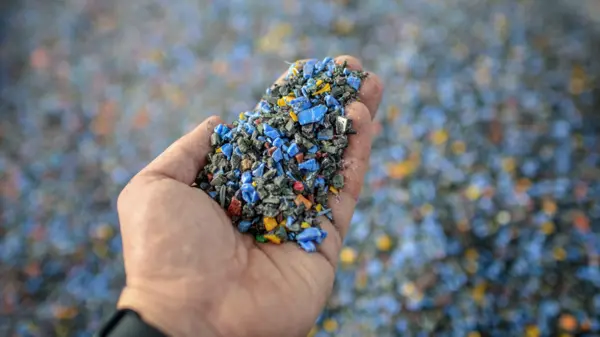
This workshop, aimed at scientists and engineers, provides critical insights into strategies for troubleshooting to accelerate product development. The seminar explores the methods of thermal analysis and rheology in depth: providing examples of how they can be used to optimize starting materials and processing conditions. The aim is to equip professionals working in the polymer industry with additional expertise and inspiration, thereby supporting them in overcoming the challenges that they are facing in production and development. The seminar also aims to provide opportunities for networking.
Program
| 8:30 - 9:00 | Check-In and Coffee/Tea | |
| 9:00 - 9:20 | Welcome and Introduction to NETZSCH A brief introduction to NETZSCH. Learn about the company’s background and current innovations. | Dr. Andreas Spörrer |
| 9:20 - 10:30 | Unlocking Thermal Secrets – DSC Applications in the Polymer Industry This session focuses on investigating polymer purity, stability and blend composition using Differential Scanning Calorimetry (DSC). The session covers several methods supported by real-world case studies with a particular focus on polymer recycling. | Niklas Eng |
| 10:30 - 10:50 | Break | |
| 10:50 - 12:00 | Decomposing the Details – TGA and Evolved Gas Analysis for Polymer Compositional Analysis Supported by practical industry examples: this session focuses on the role of Thermogravimetric Analysis (TGA) in analyzing polymer composition and stability. Additionally, the session covers the complimentary techniques of Evolved Gas Analysis (EGA) which provide additional insights into the composition and degradation products. | Daniel Eriksson |
| 12:00 - 13:30 | Lunch and Networking | |
| 13:30 - 14:40 | Plastics in the Flow – Overcoming Challenges in Polymer Production using Kriechen (Rheologie)Creep is one of the earliest “controlled stress” rheometer tests that quite literally “creeps” the material, i.e. we measure over a relatively prolonged period the small movement (the creep defined as creep compliance, J) of the sample by applying a small constant stress.Rheology This session is focused on optimization of polymer processing conditions using rheology. It covers rotational and capillary rheometry: techniques crucial for elucidating the flow properties of polymers. The session will show examples from industrial practice, demonstrating the practical applications of rheology in overcoming real-world challenges. | Dr. Andreas Spörrer |
| 14:40 - 15:00 | Closing Remarks and Networking |
Date and Location
Thursday, October 22
Scandic Hotel St Jörgen, Stora Nygatan 35, Malmö
Seats are limited!
Deadline for registration: October 8
In the event of cancellation after the deadline or a no-show, we are unfortunately obliged to invoice you 1,500 SEK.