NETZSCH supports battery and energy-materials teams across California
Battery & Energy Materials Characterization for California Teams
For battery R&D, materials development, cell engineering, quality and process teams, method selection determines the relevance of every measurement. Characterize cathode and anode precursors, active materials, electrode slurries and coatings, electrolytes, binders, separators, cells and modules with methods matched to the question.
NETZSCH Analyzing & Testing helps California teams evaluate thermal and physical characterization approaches for phase behavior, stability, processing and safety-relevant thermal behavior.
Talk to a Battery Materials Expert
Battery Materials Characterization Methods
NETZSCH methods help connect material composition, thermal response and processing behavior across battery raw materials, components, cells and modules.
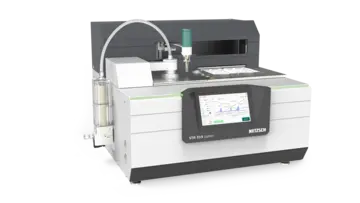
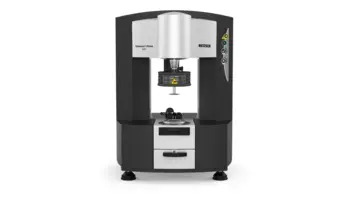
Not sure which method fits your battery material?
Built Around Battery Development and Manufacturing Requirements
Battery materials programs must link raw-material variability, formulation, processing conditions and component behavior to defensible measurement data. The appropriate setup considers sample form, temperature program, heating rate, atmosphere and the thermal event to be resolved.
NETZSCH supports teams evaluating methods for:
- Cathode and anode precursor characterization
- Active-material phase transitions and crystallinity
- Electrode slurry rheology and coating process windows
- Moisture, solvent and volatile-component loss
- OxidationOxidation kann im Zusammenhang mit thermischer Analyse verschiedene Vorgänge bezeichnen.Oxidation behavior, decomposition and evolved-gas analysis
- Thermal conductivity and expansion of components and assemblies
- Heat generation and safety-relevant thermal behavior of cells and modules
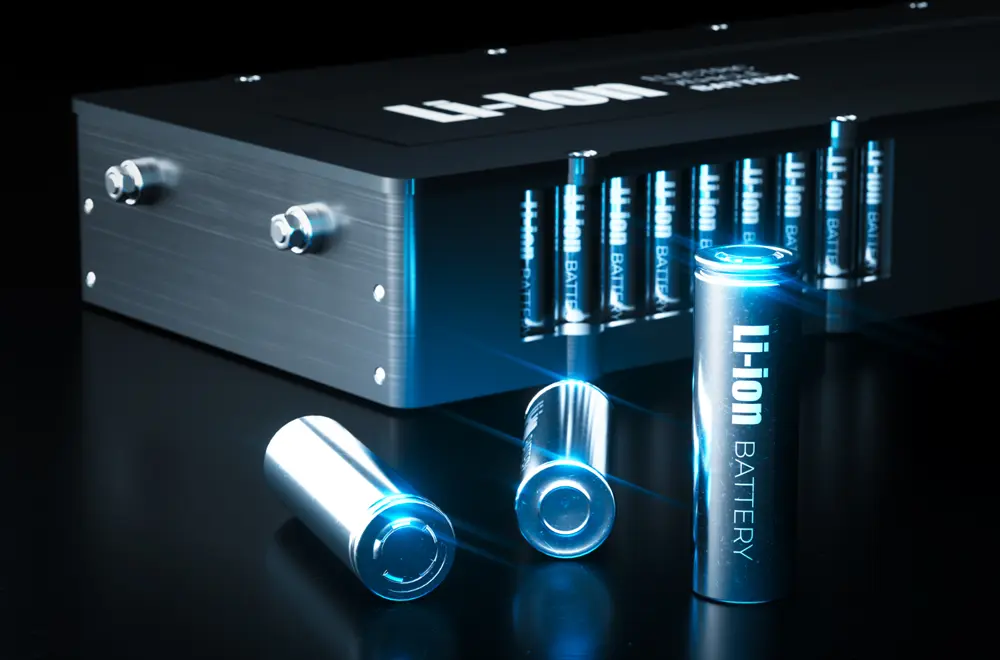
From precursor screening to cell and module evaluation: define a measurement approach that produces relevant data for development, quality and process decisions.
A Characterization Partner for Battery and Energy Materials
Application-focused consultation
Complementary method coverage
Support from method selection onward
Discuss Your Battery Materials Application
Tell us about your battery material, component or cell-level question and the behavior you need to characterize. A NETZSCH representative will discuss suitable methods and instrument options with you.
Find the Right Characterization Approach for Your Battery Materials
You May Also Be Interested In
Explore NETZSCH products, battery application insights, technical resources, services and e-learning for thermal and physical materials characterization.