23.02.2026 by Aileen Sammler
Enabling Breakthroughs in Thermal Transistor Research
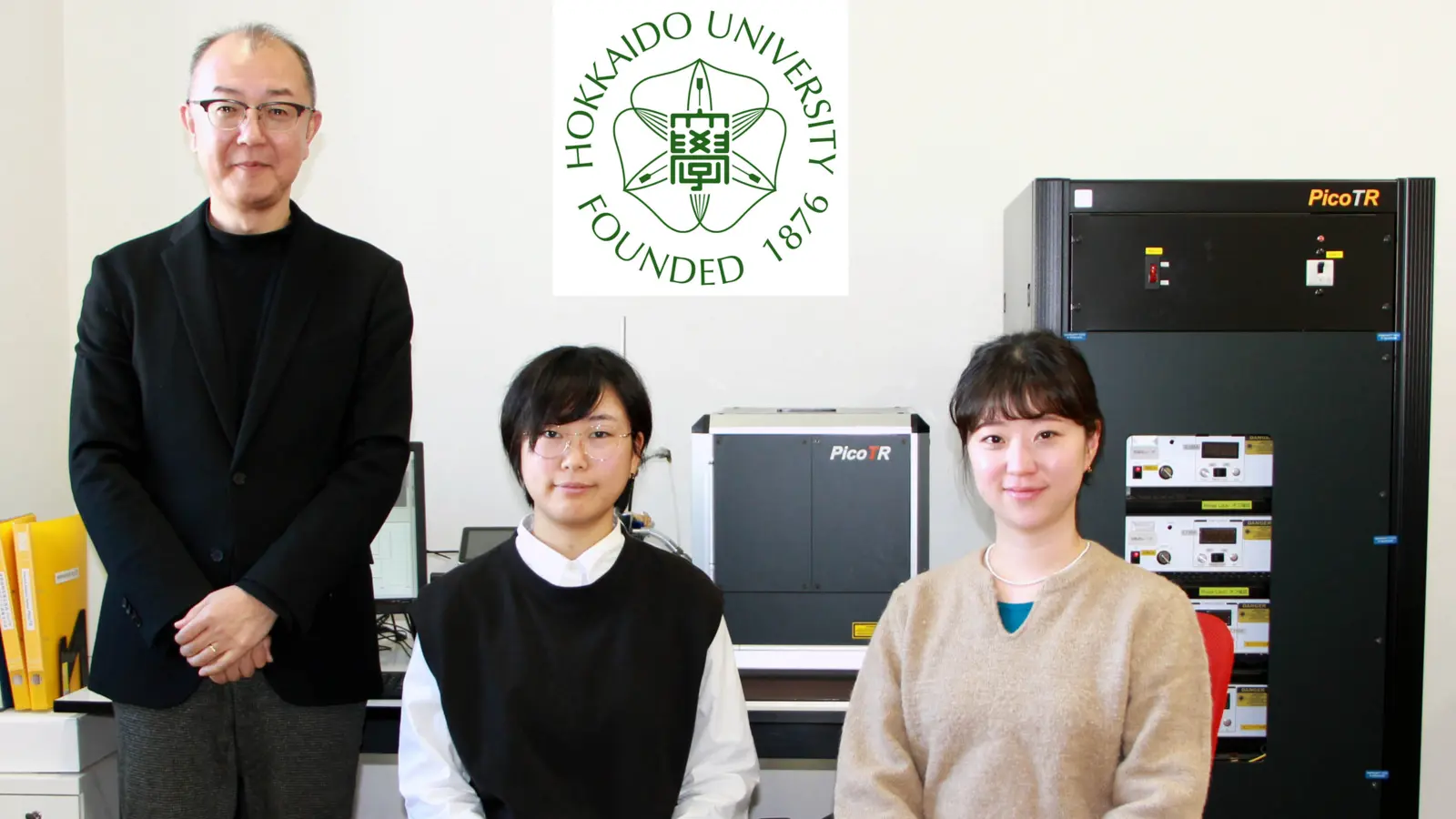
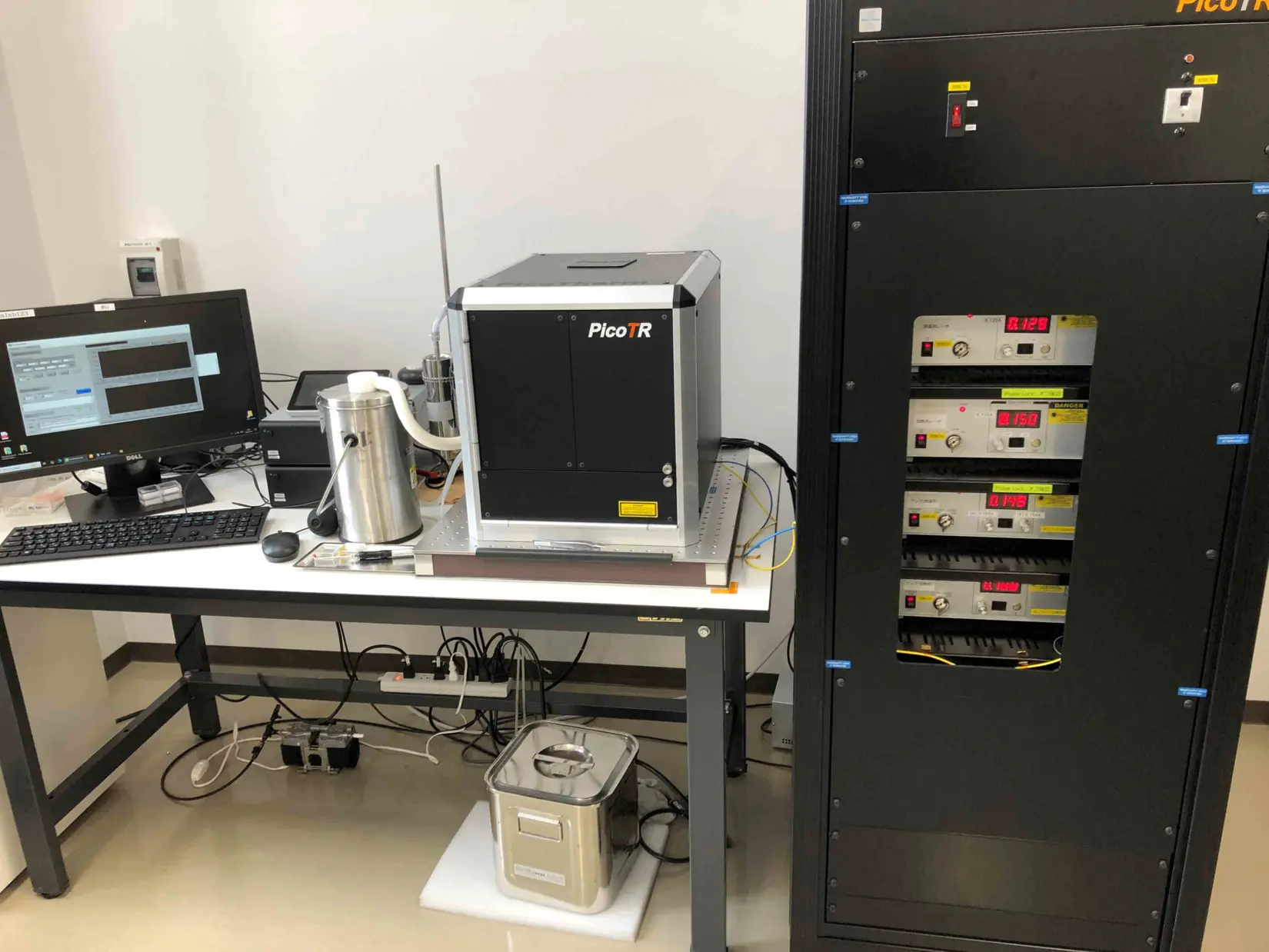
At Hokkaido University, Prof. Hiromichi Ohta and his team are at the forefront of research on solid-state electrochemical thermal transistors. Using the NETZSCH PicoTR analyzer, they can precisely measure the thermophysical properties of ultra-thin films — a key step towards realizing next-generation thermal management technologies.
How Hokkaido University Pushes the Limits of Thin-Film Measurement with NETZSCH PicoTR
Measuring the thermophysical properties of ultra-thin films is one of the biggest challenges in modern materials research. Especially when those films are the foundation for solid-state electrochemical thermal transistors - a key technology for next-generation thermal management.
At Hokkaido University, Prof. Hiromichi Ohta and his team are addressing exactly this challenge. Their research group was the first to develop solid-state electrochemical thermal transistors, and precise thin-film characterization plays a decisive role in their work.
Why Thin-Film Thermal Properties Matter
For thermal transistors, Thermal ConductivityThermal conductivity (λ with the unit W/(m•K)) describes the transport of energy – in the form of heat – through a body of mass as the result of a temperature gradient (see fig. 1). According to the second law of thermodynamics, heat always flows in the direction of the lower temperature.thermal conductivity and diffusivity must be measured with high precision, often in films only a few nanometers thick. Traditional methods quickly reach their limits, either due to complex sample preparation or insufficient temporal resolution. This is where the NETZSCH PicoTR comes into play.
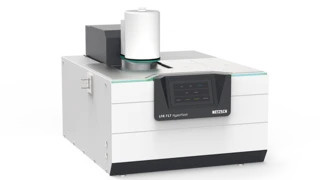
Using the NETZSCH PicoTR analyzer, Prof. Ohta’s team can observe ThermoreflectanceThermoreflectance is a method for determining the thermal diffusivity and thermal conductivity of thin films with thicknesses in the nanometer range.thermoreflectance signals up to 50 nanoseconds. This isa range that reveals information other systems simply cannot capture.
As Prof. Ohta explains, this extended delay time:
- reduces uncertainty in data fitting
- enables reliable identification of thermal transport behavior
- supports repeated switching experiments critical for thermal transistor validation
The result: faster insights, reproducible data, and confidence when publishing, validating, and scaling new concepts.
Related Products
NETZSCH Analyzing & Testing's Role in Customer Successes
Get to know the diverse applications of our instruments, from thermal analysis and rheology to fire testing.
Witness firsthand the satisfaction of our customers and understand why NETZSCH Analyzing & Testing remains a trusted, reliable partner for its customers, driving them towards excellence.
What challenges did these companies face before choosing NETZSCH? What issues were they dealing to address with our solutions? And how have our instruments helped them tackle their specific challenges in research, quality control, development or production?
Find our more at our website section: