- Polymers
- Additive Manufacturing
- 3D Printing myths
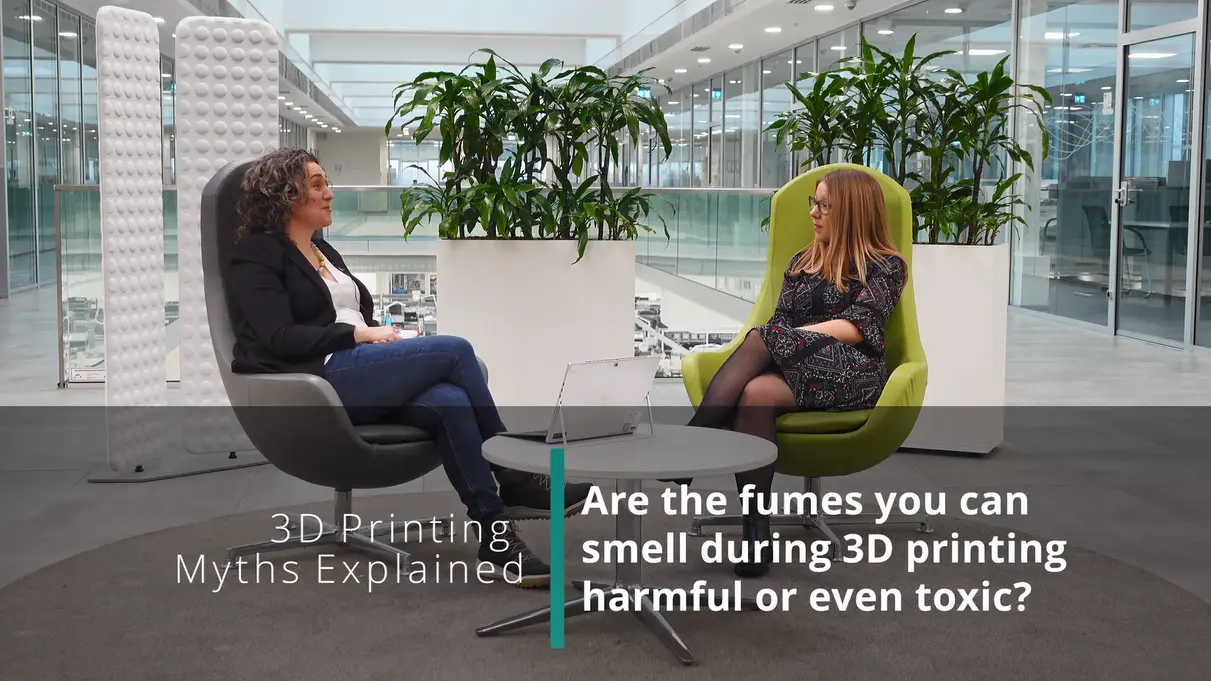
17.02.2021Are The Fumes You Can Smell During 3D Printing Harmful or Even Toxic?
We took your questions related to common 3D printing issues and categorized them into what we call 3D printing myths – common concerns and sometimes misconceptions of this industry. Today, Dr. Natalie Rudolph explains how analytical devices can detect and Identify the volatiles in such fumes released during 3D printing and gives important tips on what to pay attention to when printing with a 3D printer at home.
- Polymers
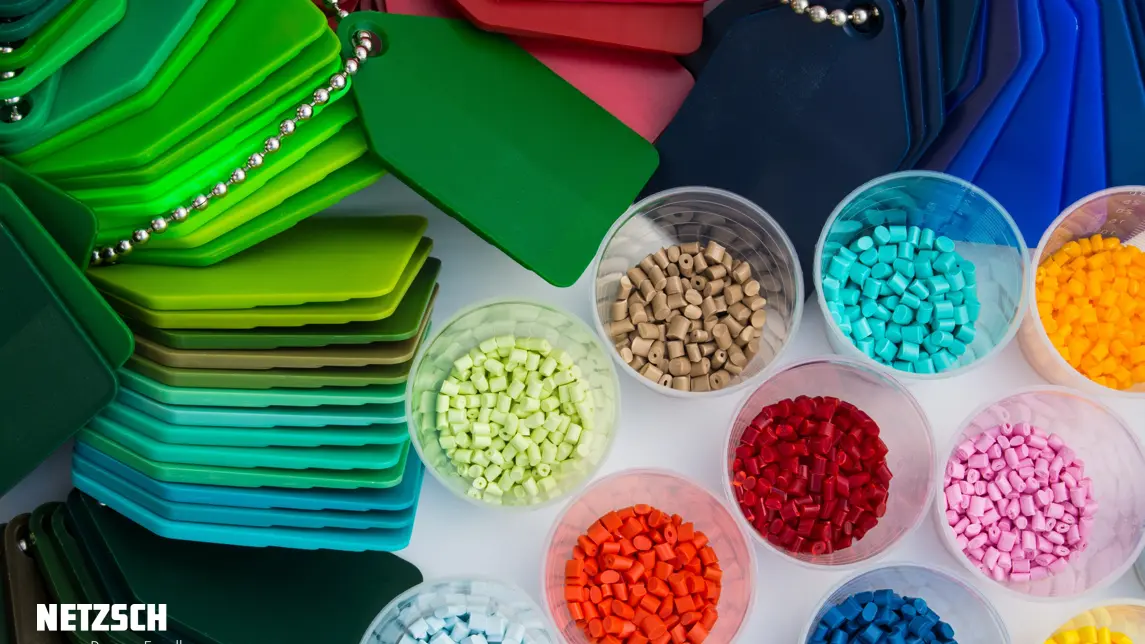
15.02.2021Why We Participate in Round Robin Tests and Why You Should Too
This year, NETZSCH will again participate in various round robin tests. Learn more about why round robin tests can be interesting for you and how you can participate in the round robin tests of the Kunststoff-Institut Lüdenscheid in Germany.
- Metals and Alloys
- Additive Manufacturing
- LFA 467 HT HyperFlash
- DIL 402 Expedis® Select
- DIL 402 Expedis® Supreme
- DSC 404 F1 Pegasus®
- DSC 404 F3 Pegasus®
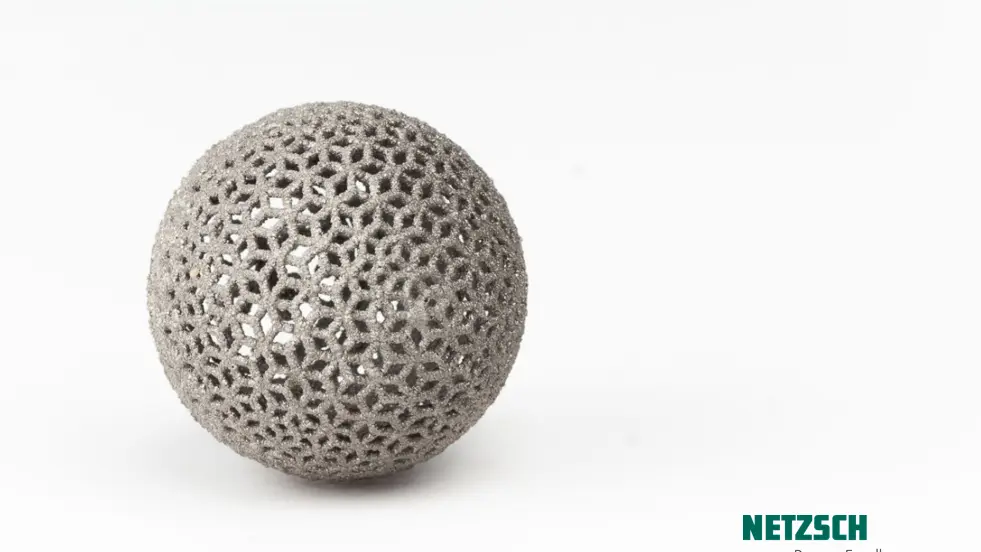
10.02.2021Metal Additive Manufacturing and the Need for Reliable Thermophysical Property Data
Additive Manufacturing (AM) encompasses a variety of technologies suitable for producing components from liquid, solid or powder feedstocks. Selective Laser Melting (SLM), a powder-bed fusion process, has become a commonly used AM process for rapid prototyping and component manufacturing using metals, alloys and, to a lesser extent, ceramics. Learn more about SLM, suitable materials and how to optimize input parameters for improved product quality using Thermal Analysis.

- Rheology
- Kinexus Prime Series
- Rosand RH2000
- Rosand RH7/RH10
- rSpace
- FlowMaster
08.02.2021One Year of Kinexus and Rosand Rheometers at NETZSCH: A Personal Note
One year ago, NETZSCH Analyzing & Testing announced the extension of its product portfolio with the Kinexus rotational rheometers and Rosand capillary rheometers. Our Rheology Application Specialists look back on the highlights and hint at the important topics coming up in 2021.
- Additive Manufacturing
- Metals and Alloys
- Composites
03.02.2021Directed Energy Deposition: Material Science in Additive Manufacturing
While Powder Bed Fusion and Binder Jetting evolved to also using metals, Directed Energy Deposition was specifically developed for this class of materials. We introduce the process principle and variations, benefits and applications of the Additive Manufacturing technology.
- Fire Testing
- Building Materials
- Pharma
- TRDA/TRDL
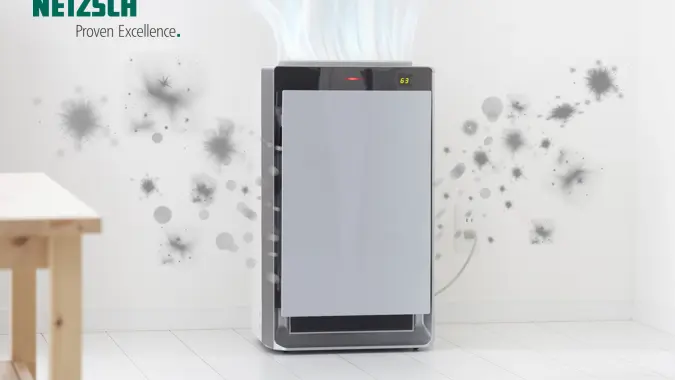
02.02.2021Mobile Air Conditioners to Prevent an Infection With the “Coronavirus” – An Effective Solution?
Closed indoor spaces are a problem due to the spread of SARS-CoV-2 via aerosols, especially in winter, when cold temperatures limit the ability to air rooms. A body of experts investigates the extent to which particle concentrations in enclosed indoor spaces can decreased with the help of highly effective indoor filters. The smoke density test device from NETZSCH TAURUS Instrument was also used in this context. Read more in the article!

- Building Materials
- Fire Testing
- TCC 918
28.01.2021Why the Cone Calorimeter in Accordance with ISO 5660-1 Is a Lifesaver
Fire testing regulations are crucial in keeping flammability and the spread of fire at a manageable level. The “Reaction to Fire Test" uses a Cone Calorimeter to assess the heat release rate and dynamic smoke production of a material sample. Learn how our new Cone Calorimeter allows for exact determination of the Heat Release Rate and gives an indication as to a material’s contribution to fire development and spread.
- Polymers
- Additive Manufacturing
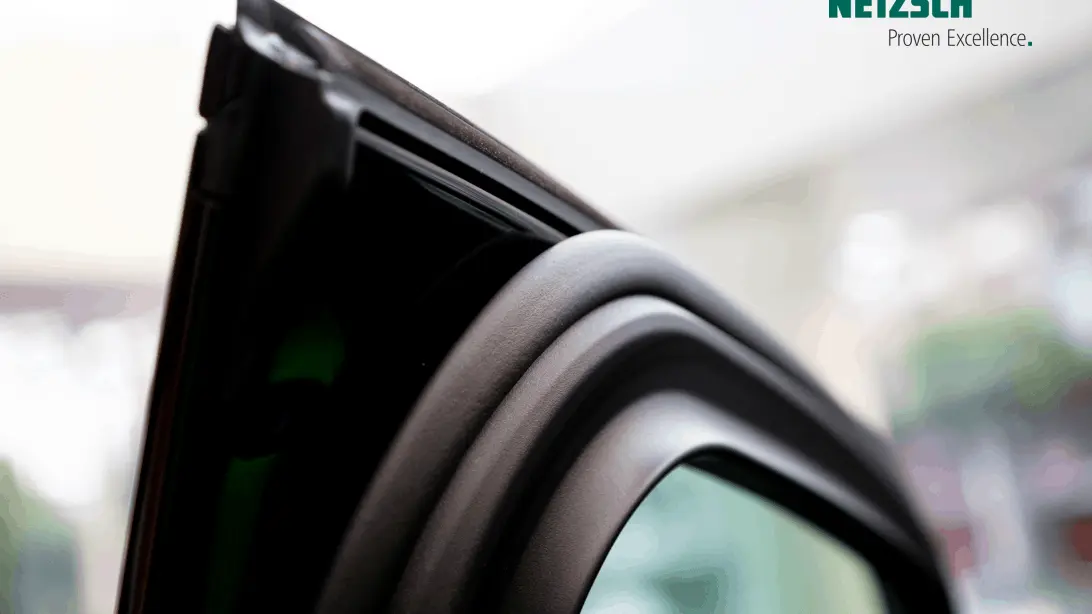
27.01.2021Sheet Lamination: Material Science in Additive Manufacturing
Whole layers are generated of cut sheet material layers, which are bonded together before cutting them into the desired shape. We introduce the process principle, benefits and applications of the Additive Manufacturing technology Sheet Lamination.
- Polymers
- Tire & Rubber
- DEA
- DMA Eplexor® 500N
- DiPLEXOR®
26.01.2021Monitoring Mechanical Properties of Elastomeric Materials During Application
The required mechanical and dielectric property profile of elastomeric materials is achieved by selecting the suitable polymer, filler and additives for the application field. During their service life, elastomeric materials in tire, sealing and automotive applications undergo constant change. Read more about the cost-effective way to monitor the mechanical properties of the elastomeric materials during application.
- Polymers
- Additive Manufacturing
20.01.2021Binder Jetting: Material Science in Additive Manufacturing
The Additive Manufacturing technology Binder Jetting is very similar to Powder Bed Fusion. Although there are many similarities of the two processes, the material properties that can be achieved are very different. Learn about the process principle and applications of Binder Jetting!