Fire Testing Systems for Electronics and Polymers
Trusted Fire Testing Solutions for Polymers and Electronics by NETZSCH
From consumer devices to industrial equipment, polymers are essential for modern electronics ‒ but their fire behavior must be precisely understood.
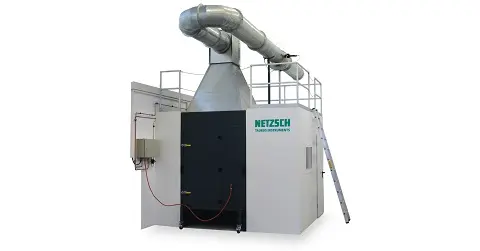
NETZSCH fire testing instruments deliver accurate insights, e.g., into ignition resistance, heat release, smoke development, burning behavior and oxygen concentration, supporting manufacturers in meeting international fire safety standards and ensuring reliable product performance and protection. Furthermore, when coupled with the Bruker Omega 5 FT-IR system, the TCC 918 Cone Calorimeter can Identify and quantify toxic gases released during combustion.
We can also provide further variants and individual fire testing instruments according to customer requirements.
Our Product Portfolio
Explore the range of NETZSCH Fire Testing Instruments for Polymers and Electronics
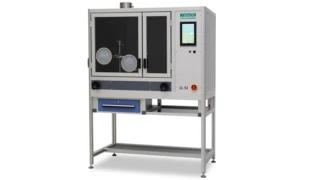
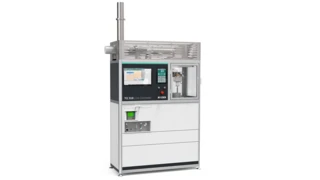
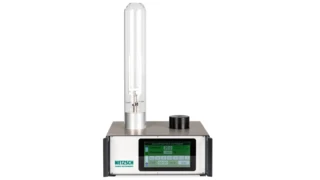

LOI 901 Case Study
Read our latest success story about fire testing of stabilized polyacrylonitrile (Preox) fibers at Carbon LabFactory Saxony using the NETZSCH LOI 901 oxygen index analyzer, highlighting their high flame resistance and relevance for sustainable carbon fiber production.
Frequently Asked Questions
Of course! TAURUS Instruments GmbH became part of NETZSCH Analyzing & Testing in 2020.
As of July 1, 2025, NETZSCH Taurus Instruments GmbH change its name to NETZSCH-Gerätebau GmbH. Both entities now operate under the name NETZSCH-Gerätebau GmbH.
As part of the NETZSCH Analyzing & Testing business unit, the company combines decades of fire testing expertise with NETZSCH’s global resources, innovation, and service network — offering customers a comprehensive portfolio of fire testing and Thermal ConductivityThermal conductivity (λ with the unit W/(m•K)) describes the transport of energy – in the form of heat – through a body of mass as the result of a temperature gradient (see fig. 1). According to the second law of thermodynamics, heat always flows in the direction of the lower temperature.thermal conductivity systems for building materials, cables, automotive components, and more.
Want to learn more about the history of our fire testing devices? Read the following blog articles:

EN 13501 is the European standard for fire-classifying construction products and building elements.
As part of the EU’s harmonized approach to fire safety, it is used across all EU member states (and many associated countries) to determine how materials and building components behave in a fire. Materials are categorized into different classes (A1 to F) based on their reaction to fire, smoke production, and flaming droplet production. This classification system helps determine the suitability of materials for various building applications. EN 13501 is divided into several parts, each covering a different type of fire performance classification:
EN 13501-1: Reaction to Fire
This part classifies how construction products (including floorings) contribute to the development of a fire.
Common classes: A1, A2, B, C, D, E, and F (A1 is non-combustible and F indicates that no performance has been determined). It also includes smoke production (s1, s2, s3) and flaming droplets/particles (d0, d1, d2).
EN 13501-2: Fire Resistance
This part classifies the fire resistance of building elements (e.g., walls, doors, floors, and beams) based on how long they maintain their integrity, insulation properties, and/or load-bearing capacity.
EN 13501-3: This part classifies the fire resistance of service installations (e.g., ducts and fire dampers).
EN 13501-4: This part classifies the fire resistance of smoke control systems.
Why It Matters:
Under the EU Construction Products Regulation (CPR), many construction products must bear a CE marking. This requires verified fire performance data according to EN 13501, which ensures that fire safety classifications are comparable and reliable across all European countries.
Meeting these fire classification requirements is critical in order for architects, builders, and material suppliers to ensure that their materials comply with building codes and can be legally placed on the market.
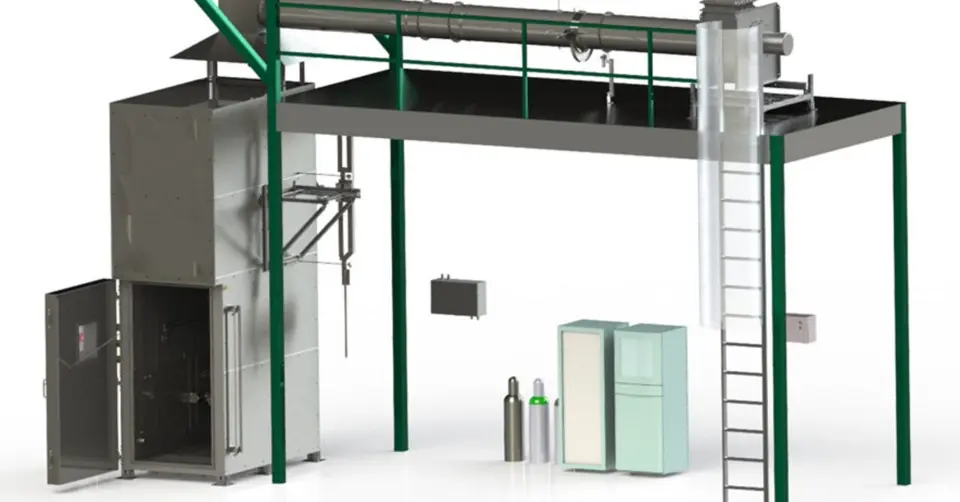
NETZSCH supports manufacturers and testing laboratories in achieving these certifications with its advanced fire testing instruments. Our devices, including cone calorimeters, SBI (single burning item) testers, and KBT (klein-brenner-test) systems, provide precise, standards-compliant measurements of reaction-to-fire and fire-resistance properties. These instruments enable our customers to generate accurate, repeatable data fully aligned with EN 13501 classification needs. This helps them bring safe, compliant products to market with confidence.
Understanding the fire behavior of polymer materials is essential for the safe design of electronic components and devices. Whether testing ignition resistance, oxygen demand, or heat release, NETZSCH fire testing instruments offer precise, standards-compliant solutions for a wide range of polymer applications.
The table below outlines which instrument is best suited for each type of fire test.
| Instrument / Method | Test Scope | Standards | Typical Applications |
|---|---|---|---|
| UL 94 | Vertical and horizontal flame spread; dripping particles; afterflame time | UL 94 (HB, V-0, V-1, V-2, 5V), etc. | Plastic housings, connectors, switches, enclosures, printed circuit boards |
| LOI 901 | Minimum oxygen concentration to support combustion (Limiting Oxygen Index) | ISO 4589‑2, ASTM D 2863 | Flame-retardant polymers, compound screening, cable insulation, casings |
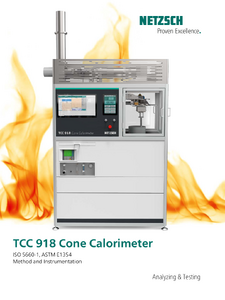
| TCC 918 Cone Calorimeter | Heat release, time to ignition, mass loss, smoke and gas analysis | ISO 5660‑1, ASTM E1354 | plastic components, composites used in electronics |
Still not sure which instrument fits your application? Or do you need an individualized configuration? No problem.
Please contact your regional sales respresentative. We will be happy to find the best solution for your fire testing needs together:
UL 94 is one of the most widely recognized flammability standards for plastics. It defines methods to classify materials based on how they burn in different orientations and under different conditions.
NETZSCH offers dedicated UL94 flammability test instruments designed to perform the full range of UL 94 classifications under controlled and repeatable conditions:
- ASTM standards
- ASTM D635, D3801, D4804, D5048, D4986,
- ASTM D5025, D5207
- European Standards
- EN 60695 Part 11-10, EN 60695 Part 11-20, EN 60695 Part 11- 3, EN 60695 Part 11-4, IEC EN 60707
- EN 60695 Part 11-10, EN 60695 Part 11-20, EN 60695 Part 11- 3, EN 60695 Part 11-4, IEC EN 60707
- ISO: Global standards
- ISO 1210, ISO 9772, ISO 9773, ISO 10093, ISO 10315
Yes, it is! The NETZSCH TCC 918 provides data on ignition, smoke development and mass loss.
When coupled with the Bruker Omega 5 FT-IR system, it can also analyze FT-IR data. This allows to Identify and quantify toxic gases released during combustion.
Identifying these gases is essential for developing new materials. This increases the value of the TCC 918.
Want to learn more? Watch this video:
The cost of a NETZSCH fire testing device can vary significantly depending on the type, model, features, or any additional accessories you may require.
To get an accurate and up-to-date price for your individual NETZSCH instrument, please contact your local NETZSCH representative or one of our authorized distributors. We will provide a quote tailored to your specific requirements, including any necessary training, installation, or additional features.
Delivery times depend on the specific device and configuration. While some instruments may be available from stock, others require longer lead times. For customized systems, delivery schedules can vary accordingly.
For the most up-to-date information, we encourage you to contact us directly with a specific request. This will ensure that we can provide you with an accurate timeline tailored to your specific needs.
Your Benefits
>30
>1000
50
What Makes NETZSCH Fire Testing Instruments Unique?
- Standards-compliant testing for UL 94, ISO 4589-2 and ISO 5660-1 - essential for certifying electronic and plastic components
- High repeatability and precision through automated ignition control, digital data acquisition and stable testing equipment
- Optimized for small-scale polymer samples, electronic parts, and flame-retardant compound development
- Comprehensive testing capabilities, from simple flammability classification to advanced heat release, mass loss and smoke development to the identification and quantification of toxic gases released during combustion.
- Intuitive operation with user-friendly interfaces and clear result output for efficient lab workflows
- Proven Excellence: Decades of experience in fire testing and a strong reputation on the market underline the reliability and advanced capabilities of our fire testing instruments
Applications for the Polymers and Electronics Industry
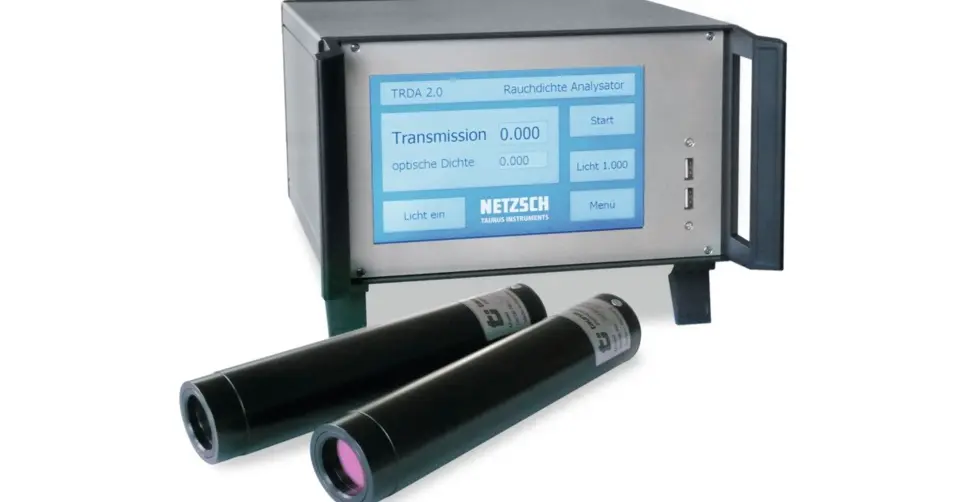
Reactions to fire – particularly flame spread, ignition behavior, dripping, smoke DensityThe mass density is defined as the ratio between mass and volume. density, and material degradation – are critical factors in fire testing for polymers used in electronic and electrical applications. These properties influence the safety and compliance of housings, connectors, circuit boards, and encapsulating materials, making precise fire testing essential for product development and regulatory approval.
- Plastic enclosures and housings
Test flame resistance of casings for consumer electronics, power tools, computers, printers, and appliances. - Connectors, switches, and terminal blocks
Assess ignition behavior and dripping under vertical or horizontal flame exposure (UL 94). - Printed circuit boards (PCBs) and laminates
Evaluate flame retardancy and heat release potential of PCB substrates and coatings. - Flame-retardant compound development
Use LOI and UL 94 testing to optimize polymer formulations for higher fire safety. - Battery casing materials
Characterize the fire performance of polymer blends and composites used in lithium-ion battery housings. - Wire and cable insulation (small components)
Screen materials for their oxygen index and flame propagation behavior — especially relevant for internal wiring in electronic devices. - Small electronic components and assemblies
Simulate overheating or short-circuit events using cone calorimetry to measure HRR, smoke developement and ignition time. - Plastic foams, encapsulants, and coatings
Test insulating or protective materials used around sensitive components or in industrial electronics.

Fire Safety Engineering - A Field Report
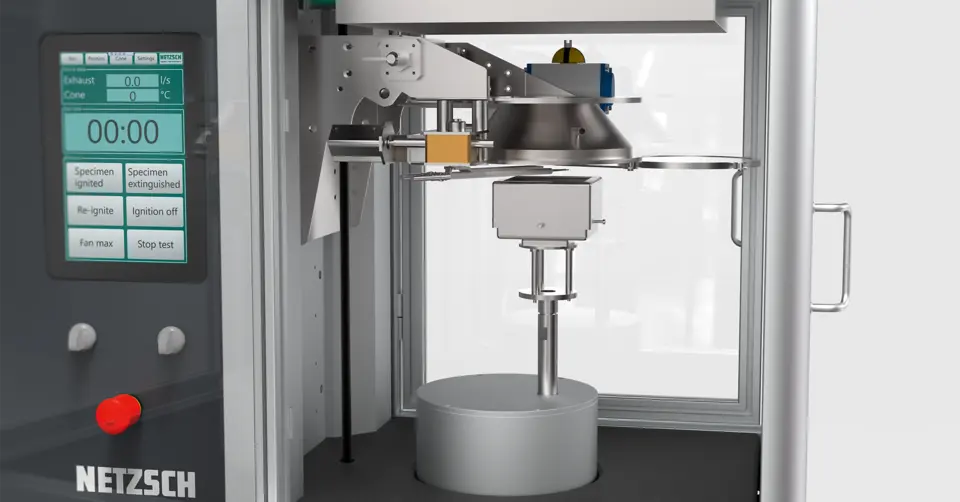
This customer story showcases how the TCC 918 Cone Calorimeter is revolutionizing fire safety research at Luleå University of Technology in Sweden by enabling safer, smarter, and more sustainable testing.
Are you interested in fire testing devices for other industries or applications?
Feel free to take a look at our entire range of fire testing systems.
Media and Training
Blog articles about NETZSCH fire testing devices
- 28.07.2026
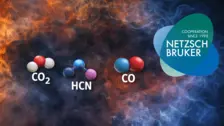
Beyond Heat and Smoke: Why Gas Analysis Matters in Modern Fire Testing
- 21.04.2026
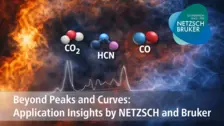
More Transparency in Combustion Gas Analysis: OMEGA 5 FT-IR Coupling on the NETZSCH TCC 918 Cone Calorimeter
- 23.10.2025
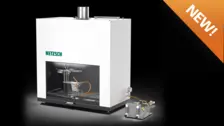
NEW: The NETZSCH UL 94 Classic – the Base Version for Reliable Flammability Testing
- 23.09.2025
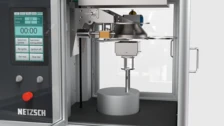
How Material Thickness Influences Fire Testing – Key Insights by Means of Cone Calorimeter Analysis
- 05.03.2025
Fire Testing of Stabilized Polyacrylonitrile (PAN) Fibers with the NETZSCH LOI 901

- 12.08.2024
Fire Resistance Testing and Fire Safety Engineering
- 22.06.2023
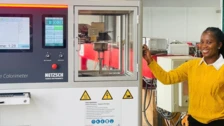
The New FT-IR OMEGA 5 Toxicity Test System ‒ The Advanced Gas Analyzer for the TCC 918 Cone Calorimeter

- 17.04.2023
How to Determine the Burning Behavior of Plastics according to ISO 4589-2 and ASTM D2863

Application Literature about NETZSCH fire testing devices
Videos that may be interesting for you

FAQs about NETZSCH Service
We want you to be fully prepared when using your fire testing device!
At NETZSCH, we want to ensure that you are well-prepared when working with your fire testing instrument. That’s why we offer customized training designed around your specific equipment and operating conditions.
We prefer on-site training at your location, working directly with your instrument under your specific conditions (e.g., gas setup, pressure ranges, and gas cylinders). This ensures that everything works seamlessly and that optimal test conditions are achieved.
Of course, we also offer online training via our NETZSCH Online Academy NOA, 1:1 remote training and on-site training at your location or our training centers. Simply contact your sales representative or go to Know-How - NETZSCH Analyzing & Testing
Yes, we offer maintenance contracts for your instruments according to the different regional and individual customer requirements. Please feel free to contact our Service Department or take a closer look at our website section Service-Level Agreement - NETZSCH Analyzing & Testing.
For even greater peace of mind, we also offer Unlimited Warranty for our SBI 915 and KBT 916 fire testing instruments.
Our NETZSCH Applications Laboratory exclusively offers contract testing services for the TCC 918 Cone Calorimeter, supporting a wide range of industries and research centers. With our state-of-the-art instrumentation, we can perform detailed fire behavior analyses without requiring in-house equipment.
Although we only perform contract testing on the TCC 918, our sales and service teams are always available to assist with other fire testing inquiries, including application advice and selecting the right instrument for your needs.
Consult our NETZSCH experts to determine the best measuring method for your application. You will work with experienced scientists, including physicists, chemists, and materials specialists, who have in-depth knowledge of various test methods and material types.
We offer:
- Installation and commissioning
- Relocation of your instrument
- System upgrades
- Maintenance and inspection
- Calibration
- Repair
- Free e-learning basic courses: E-Learning - NETZSCH Analyzing & Testing
- Comprehensive training from basic to advanced use of the instrument - on-site and online.
Our Remote Service is available worldwide.