Learn, Apply, Achieve.
Basic Course
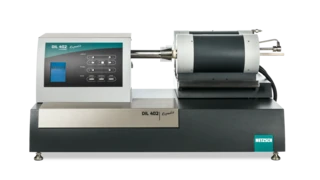
DIL 402 Expedis® Select
Language: English - Duration: 121 Min.
This Online course explains the
- the theory behind a dilatometric signal,
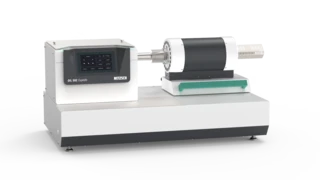
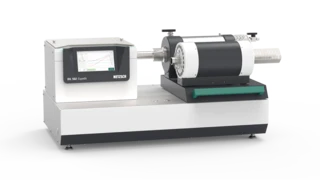
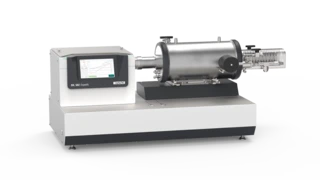
- your DIL 402 Expedis® Select instrument itself,
- which factors have an influence to your DIL signal,
- how to prepare your samples,
- how to start a measurement and
- how to perform a correction run and different correction types,
- how to evaluate an expansion curve and
- how to obtain the thermal expansion coefficient, Phase TransitionsThe term phase transition (or phase change) is most commonly used to describe transitions between the solid, liquid and gaseous states.phase transition temperatures, dilatometric softening point and other parameters
Syllabus
- Introduction of the speaker and the agenda
- Introduction on Dilatometry
- Basic theory and definition of Dilatometry
- Measurement principle
- Corrections
- Introduction on the Product Guide of the NETZSCH DIL 402 Expedis® Select
- Device overview
- Technical information
- On-Site Requirements
- Mounting and changing the sample holder
- Changing the thermocouple
- Accessories
- Introduction on influential factors
- Influence of the sample preparation
- Influence of the temperature program
- Influence of the sample load
- Influence of the atmosphere
- Influence of the sample holder
- Introduction on Sample Preparation
- Sample Preparation of solid samples
- Sample Preparation of samples in powder form
- Sample Preparation of foils
- Setup a measurement
- Start a Correction run using the NETZSCH Proteus® software
- Start a Correction + Sample measurement run using the NETZSCH Proteus® software
- Measurements with Double Measuring System
- Evaluation of a measurement using the NETZSCH Proteus® software
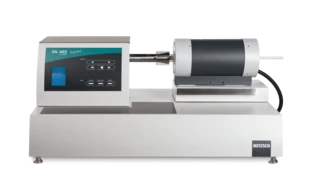
Explore the range of NETZSCH DIL instruments