Webinar
20.01.2027
Rheological Testing of Soft Tissues to Understand Mechanobiology and Disease Progression
English
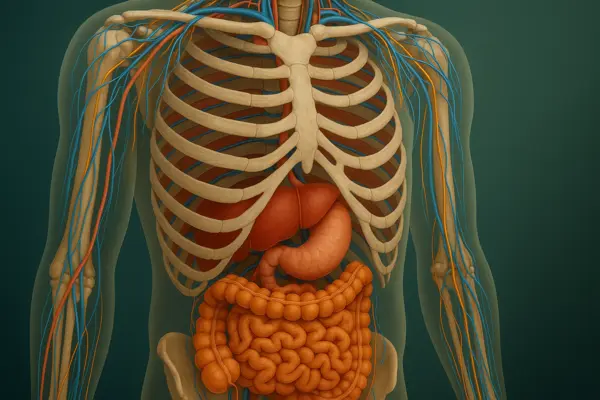
The stiffness of soft tissues is tightly controlled under normal conditions, but can change during disease. Altered tissue mechanics is not only a symptom of disease but also a causative factor as cells are sensitive to forces, and mechanical stimuli can dictate cell function and behavior.
The application of rheology to measure the mechanical properties of fat and liver tissues under both normal and disease conditions will be discussed. The acquired rheological data is used to inform the fabrication of polyacrylamide hydrogel substrates to mimic the stiffness of normal and diseased tissue. Polyacrylamide gels are simple, tunable, in vitro platforms to study how cells feel and respond to matrix stiffness.
The effects of stiffness and cell culture conditions on various proteins involved in cell mechanosensing or mechanotransduction, such as actin StressStress is defined as a level of force applied on a sample with a well-defined cross section. (Stress = force/area). Samples having a circular or rectangular cross section can be compressed or stretched. Elastic materials like rubber can be stretched up to 5 to 10 times their original length.stress fibers, vimentin intermediate filament, and Yes-associated protein, will be presented. These results contribute to our understanding of the mechanobiology of fat and liver cells as well as disease progression.
Our special guest:
LiKang Chin, PhD
Graduate Program Director, Assistant Teaching Professor
Department of Biomedical Engineering
Widener University