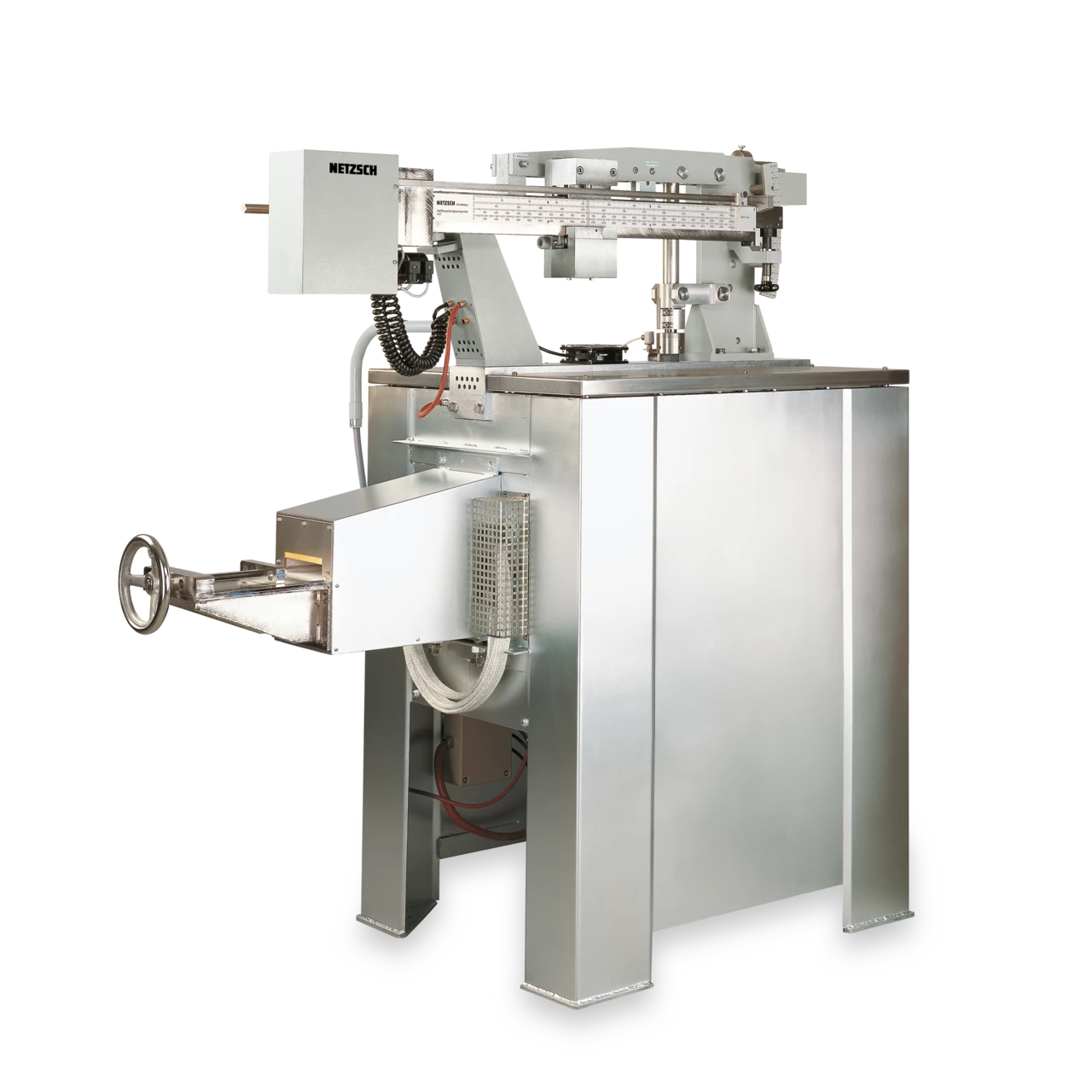
HMOR 422 D/3
Apparatus for testing MOR
Modulus of Rupture (MOR) of refractory ceramics up to 1500°C
The modulus of rupture (MOR) is an important variable in the characterization of refractory materials. Determination of the maximum load at high temperatures is a property which, along with other thermophysical properties, is an important parameter for quality control and development of furnace linings.
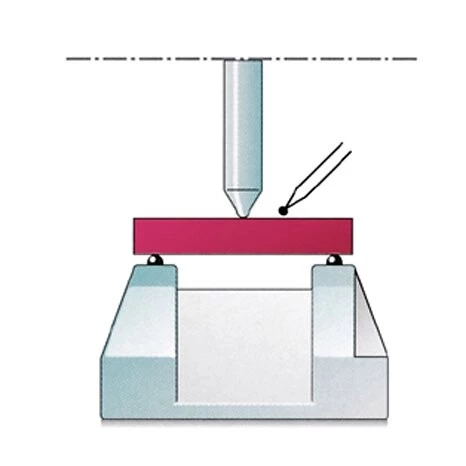
The modulus of rupture is defined as the maximum StressStress is defined as a level of force applied on a sample with a well-defined cross section. (Stress = force/area). Samples having a circular or rectangular cross section can be compressed or stretched. Elastic materials like rubber can be stretched up to 5 to 10 times their original length.stress a rectangular test piece of specific dimensions can withstand in a 3-point bending test until it breaks, expressed inN/mm2 or MPa.
The International Standard Test Method is described in ISO 5013; test piece dimensions: 150 mm x 25 mm x 25 mm.
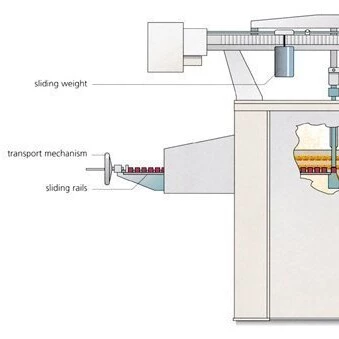
For determination of the modulus of rupture of refractories up to a temperature of 1500°C and a maximum load of 5000 N (60N/mm2), NETZSCH offers the model 422 D/3. This model is designed for continuous testing with a 3-point bending device.
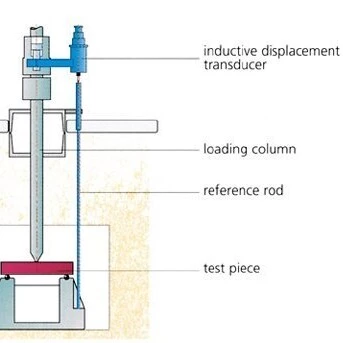
With optional devices for load and deformation measurement and/or constant deformation rate, additional information about the limits of elasticity and crack propagation in ceramic test pieces can be obtained.
Technical Data
Bending support:
SiC
Load:
1 N to 5000 N
(2.0 to 12.5 N/s, switchable)
Temperature measurement:
type S thermocouples
Sample dimensions:
150 mm x 25 mm x 25 mm
Bending mode:
3-point
Atmospheres:
air, static
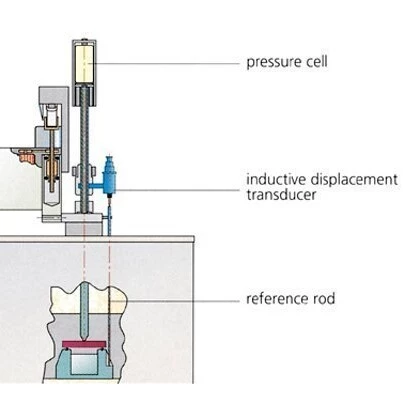
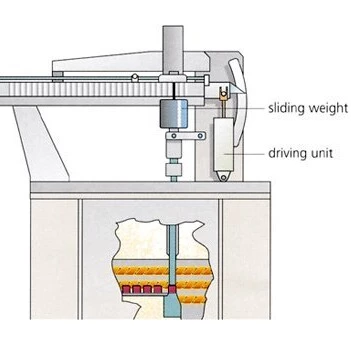
The HMOR 422 D/3 runs under Proteus® Software on Windows®. The Proteus® software contains all operations required to carry out measurements and, independent from that, for evaluation of the data, in part in MS EXCEL®. Through the combination of easy-to-understand menus and automated routines, a tool has been created that is extremely user-friendly and, at the same time, allows sophisticated analysis. The Proteus® software is licensed with the instrument and can of course be installed on other computer systems.
HMOR analysis features:
- Start of the load increase, determination of the failure load
- Storage of the test parameters and results
- Transfer to MS EXCEL® for further analysis, graphic presentation and statistics
- Determination of the test piece deformation (with the optional device for measurement of load and deformation)
- Load-deformation diagram
- Modulus of rupture calculation
You can use the following software with this product:
- Vernier calipers for determination of the test piece dimensions, with online input into the Proteus® software
- Interlayer disks