03.12.2025 by Onur Özgül, Aileen Sammler
Optimizing Electrode Production with Real-Time Viscosity Measurement
Real-Time Viscosity Control for Electrode Slurries: Prevent Waste, Ensure Quality, and Gain Process Confidence with the New NETZSCH Novanti Inline Rheometer
Real-Time Viscosity Control for Electrode Slurries
Every coating engineer knows that once viscosity drifts, quality suffers. In the production of electrode slurry for lithium-ion batteries, even minor viscosity deviations during mixing, transfer, or coating can lead to non-uniform film thickness, poor adhesion, and ultimately reduced cell performance. By the time offline rheology detects the issue, valuable meters of material may already be out of spec — leading to scrap, rework, and lost time.
Continuous real-time viscosity measurement gives you full control over your slurry behavior — right where it matters, during production. No more waiting for lab results. No more guesswork. Just data you can trust, instantly.
The Challenge: Viscosity Drift in Electrode Manufacturing
Lithium-ion battery electrodes rely on slurries with precisely defined rheological properties. However, viscosity is dynamic: it changes with temperature, shear rate, and mixing energy.
Traditional offline rheology, based on manual sampling, only provides delayed snapshots of this behavior. Meanwhile process viscosimeters only show a relative value of viscosity, meaning they cannot be correlated with absolute viscosity values obtained in a laboratory. Between sampling and measurement, viscosity may have already shifted — resulting in inconsistent coating thickness, agglomeration, or particle sedimentation.
In high-throughput production, this lag can mean hundreds of meters of material outside specification before any deviations are even detected.
The Solution: Inline Viscosity Measurement in Real Time
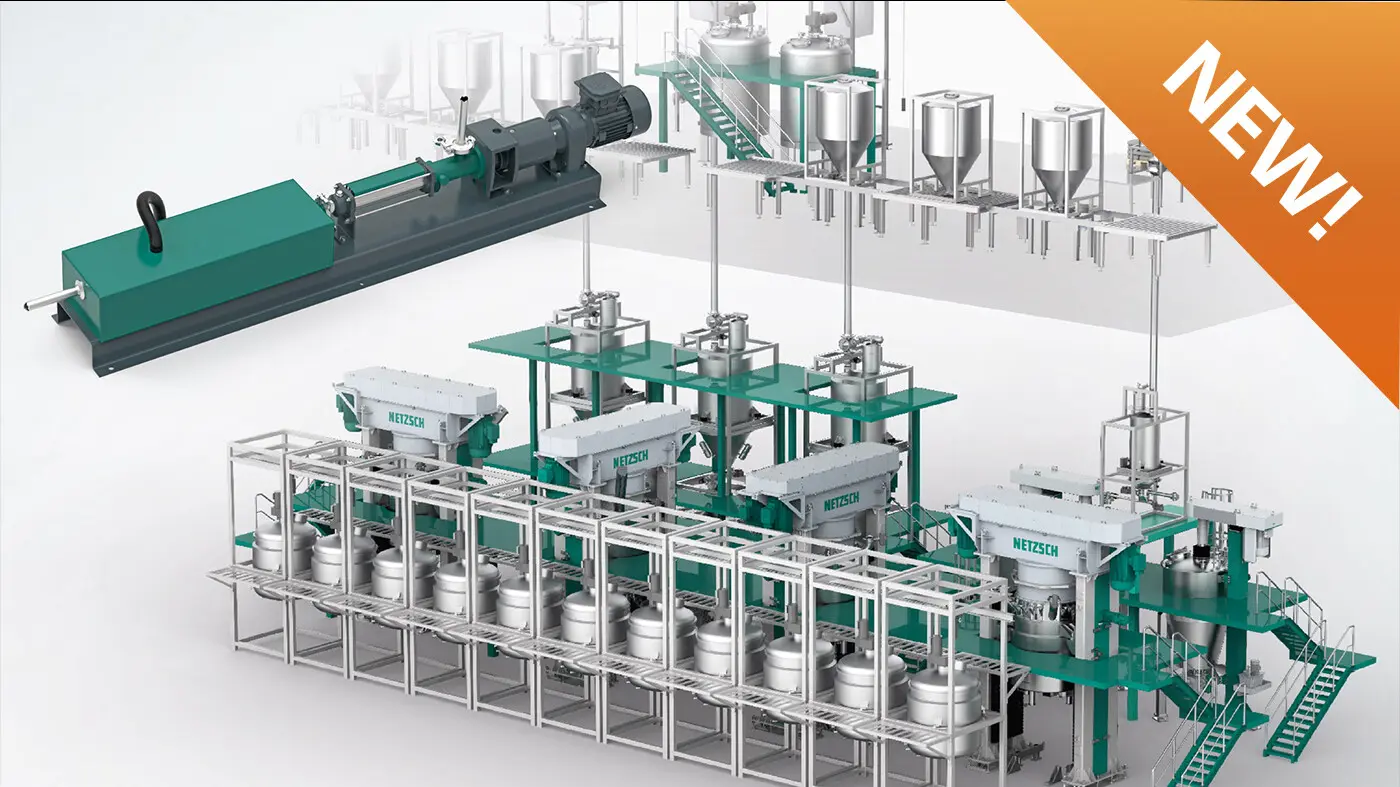
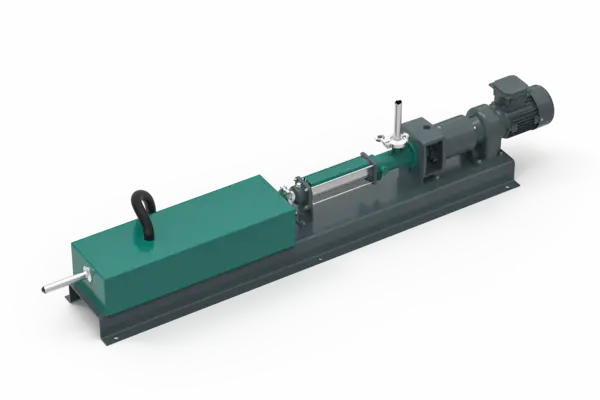
The brand-new NETZSCH Novanti Inline Rheometer is integrated directly into the mixing and coating stages of electrode production. It continuously measures true shear viscosity under actual process conditions — at the same shear rates and temperatures encountered in the production line.
That means:
- Real rheological data, not estimates.
- Continuous monitoring at full production speed.
- Results directly comparable to laboratory rheometers.
By transforming viscosity measurement from an offline, reactive task into an inline, proactive control tool, process engineers gain real-time visibility into every batch.
The Results: Measurable Impact on Production Quality and Efficiency
- Scrap Reduction: Early detection of off-spec slurries prevents wasted batches and unnecessary coating runs.
- Operational Efficiency: Continuous measurement eliminates the need for manual sampling and downtime for testing — keeping production moving.
- Enhanced Product Quality: Stable viscosity ensures consistent coating thickness, uniform film structure, and improved electrode adhesion.
- Reproducibility Across Batches: Instant feedback allows immediate process correction, minimizing variability between production runs.
- Safety and Sustainability: Less rework and reduced material waste mean safer operations and a smaller environmental footprint.
In short, inline rheology turns electrode production from reactive troubleshooting into reliable, data-driven control.
Looking Ahead: Scaling Smart Production
As the production of lithium-ion battery scales toward gigafactory-level throughput, tighter viscosity control becomes essential for both quality assurance and cost efficiency.
Real-time viscosity monitoring is a cornerstone of process intelligence, connecting laboratory insight with real-world production.
With NETZSCH Novanti Inline Rheometers, manufacturers gain not just data — but can be confident that every electrode coating meets specification, from the first meter to the last.
Discover how real-time rheology transforms electrode slurry production.
Contact our experts for application examples or request a live demo of the NETZSCH Novanti Inline Rheometer.
Download the new brochure here:
Real-Time Viscosity Control in Battery Production with the NETZSCH Novanti Inline Rheometer