23.07.2025 by Aileen Sammler
Precise, Fast, and Intuitive Measurement of Thermal Conductivity: Discover the New NETZSCH HFM 706 Lambda Series
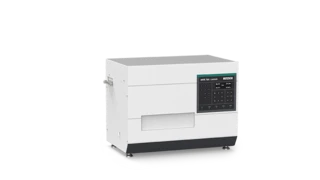
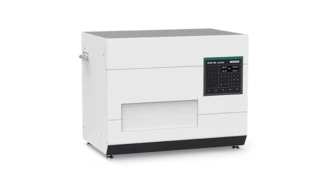
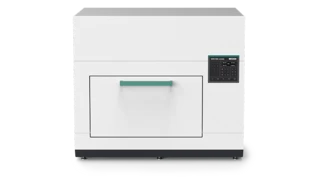
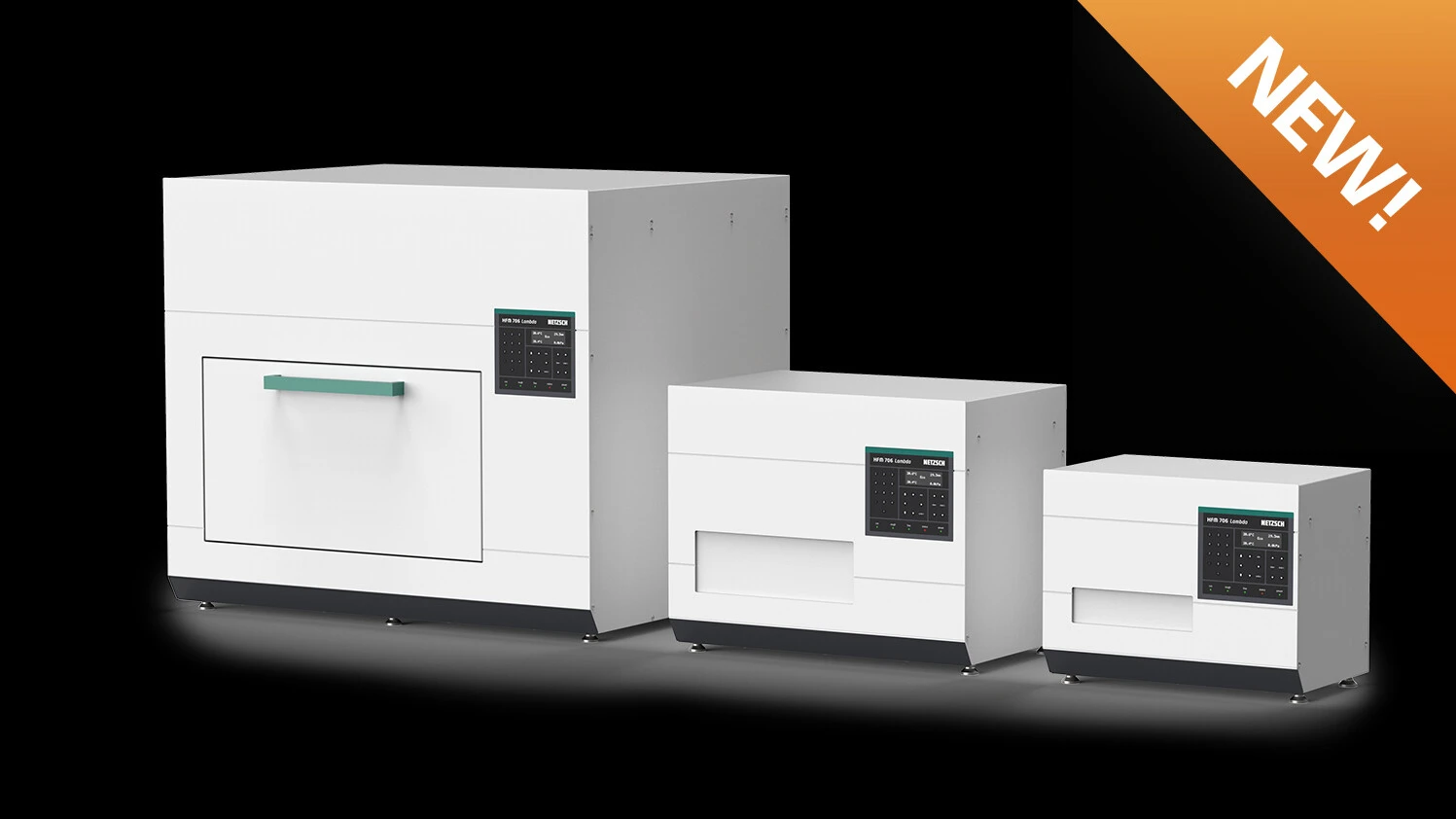
In the world of thermal insulation, precision and reliability are key to accurately measure Thermal ConductivityThermal conductivity (λ with the unit W/(m•K)) describes the transport of energy – in the form of heat – through a body of mass as the result of a temperature gradient (see fig. 1). According to the second law of thermodynamics, heat always flows in the direction of the lower temperature.thermal conductivity. That’s why NETZSCH has redefined heat flow measurements with the new NETZSCHHFM 706 Lambda series, available in three sizes to accommodate a wide range of specimen dimensions, from small laboratory samples to large industrial materials.
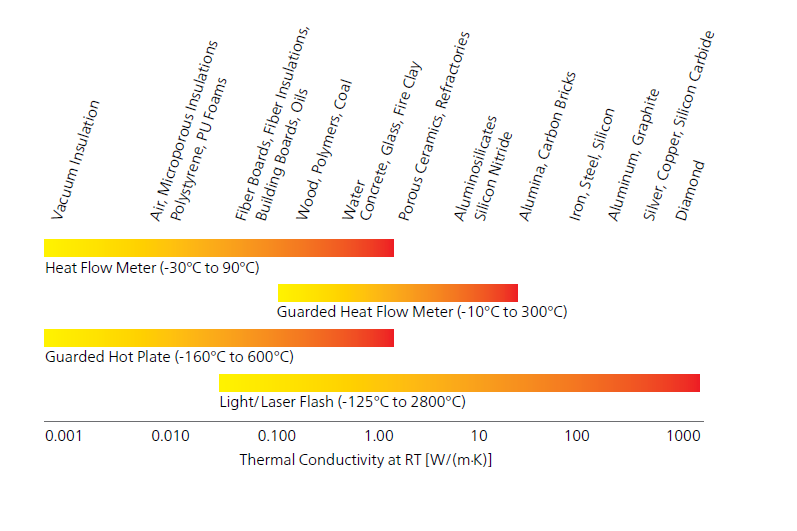
Whether you’re working with classic insulation materials like stone or glass wool, polymer foams or advanced systems such as vacuum insulation panels (VIPs), the new HFM 706 instruments allow for accurate measurements of Thermal ConductivityThermal conductivity (λ with the unit W/(m•K)) describes the transport of energy – in the form of heat – through a body of mass as the result of a temperature gradient (see fig. 1). According to the second law of thermodynamics, heat always flows in the direction of the lower temperature.thermal conductivity over a temperature range of -30°C to 90°C – quickly, easily, and based on global standards such as ASTM C518, ISO 8301 and EN 12667.
Designed for Maximum Efficiency
From its intuitive SmartMode software to automated thickness determination using a high-resolution transducer, every aspect of the HFM 706 is optimized for ease of use and reproducibility. Features such as fast sample exchange and programmable plate positioning help minimize heat loss during handling and reduce overall measurement time.
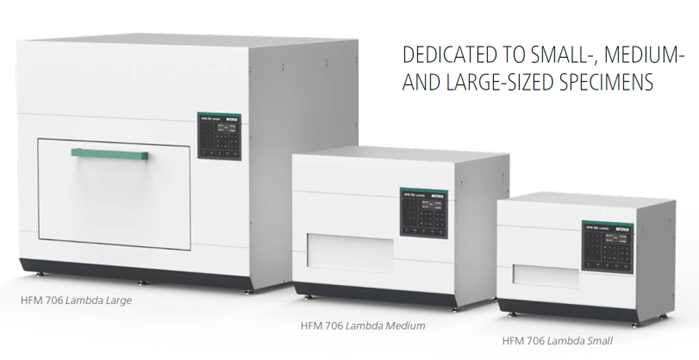
The three instrument sizes (Small, Medium, Large) allow for unmatched versatility, while a rear-door option on the large version enables the measurement of oversized panels — without damaging delicate structures like VIPs.

Reduced Energy Consumption and Operating Costs for Even More Sustainability
The HFM 706 Lambda can be switched to Eco or Idle mode. The timing of each mode's activation can be adjusted via a scheduler.
The SmartMode software provides a user-defined schedule for activating Idle or Eco mode. In Eco mode, the HFM plate temperature control and chiller are deactivated, resulting in negligible energy consumption for the entire system.
Significant energy savings are achieved in Eco mode during periods when no measurement runs, e.g., overnight or at weekends. In Idle mode, the HFM plate temperatures are held at predefined values, enabling a quick start of a new measurement at those temperatures.
Built for Real-World Environments
The HFM 706 is designed to perform well, even when installed near production lines. Its sealed sample chamber reduces the influence of ambient fluctuations, and purge gas options ensure consistent conditions for sensitive materials.
For research and quality control alike, advanced software features like multi-point calibration and the Lambda 90/90 calculation streamline workflows and support certification requirements.
Download here the full brochure and data sheet:


Watch also the video excerpt of our NETZSCH Tech Talk July 2025:
Discover the HFM 706 Lambda Series – your smartest solution for Thermal ConductivityThermal conductivity (λ with the unit W/(m•K)) describes the transport of energy – in the form of heat – through a body of mass as the result of a temperature gradient (see fig. 1). According to the second law of thermodynamics, heat always flows in the direction of the lower temperature.thermal conductivity testing. From lab samples to VIP panels: measure faster, easier, and in accordance with with global standards.
Discover the new products in detail: