
- Polymere
- DSC
- TGA
- TMA
- DMA
13.02.2020How to Analyze Automotive Thermoplastic Parts for Failure
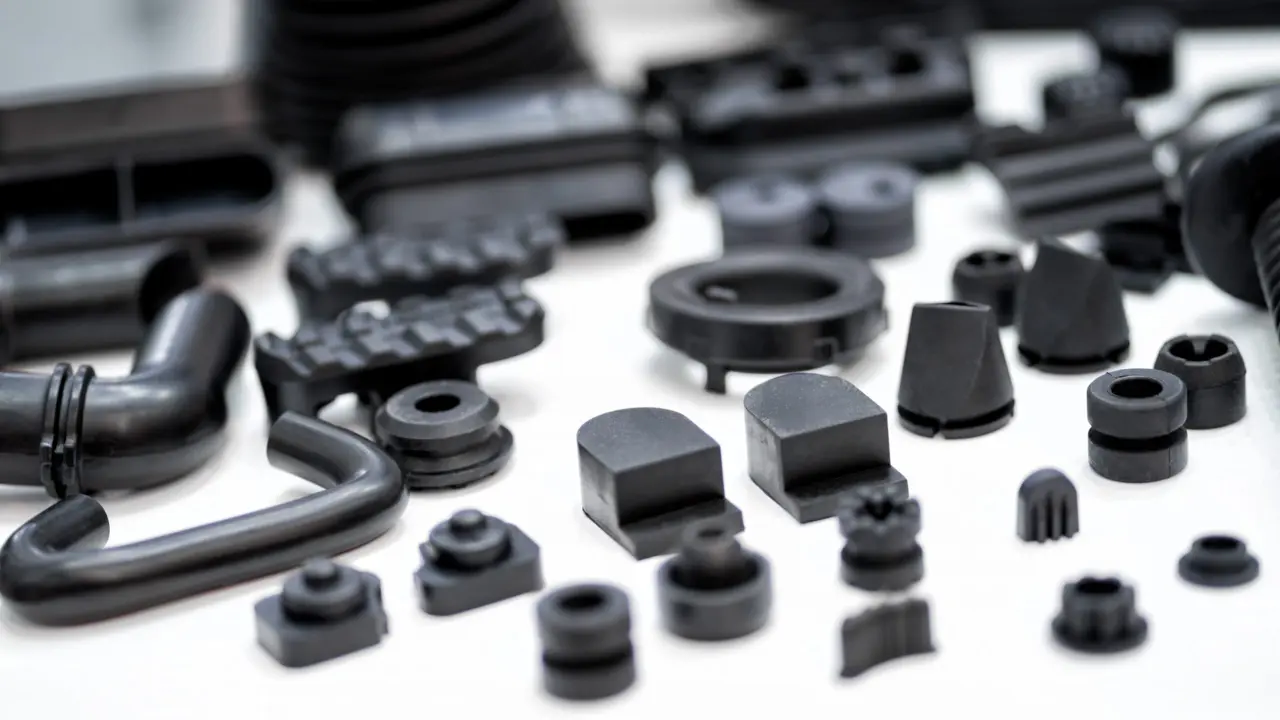
Thermoplastic parts can fail. This is no secret. However, when it has happened it is crucial to find out the reason for the failure of a part. Here is a short list of thermal analysis techniques and which questions they can answer in your failure analysis.
- Polymere
- Additive Manufacturing
- Photo-DSC 204 F1
12.02.2020How UV-light Exposure Times Affect Component Properties in Additive Manufacturing
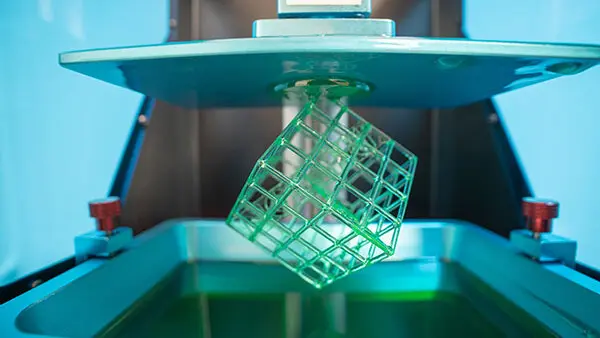
Additive Manufacturing (AM) has been around for several years. The main application for a long time was prototyping in the early stages of product development. Recently, new technologies like Digital Light Synthesis (DLS) are shaking up the AM sector. Using DLS and a two-stage dual-curing process, 3D printing is now being considered for mass production of parts since it has become considerably faster and the final product shows improved mechanical characteristics.
- Polymere
- DSC
- DMA
- DSC 214 Polyma
- DMA 242 E Artemis
12.02.2020Common Causes of Failure of Automotive Thermoplastics
Failure of injection-molded thermoplastic parts appear in a wide range of forms. Often, the selected material or the production process of parts and components are the cause of the problem. Whenever faulty parts leave the machine, it is important to find the underlying cause of the failure. We selected two common failures of thermoplastics and show how thermal analysis can help determine the cause of failure.
- Gummi und Reifen
- Polymere
- DMA Eplexor® 500N
11.02.2020Transferring Real Operating Conditions from Practice into the Laboratory Using the DMA GABO Eplexor®
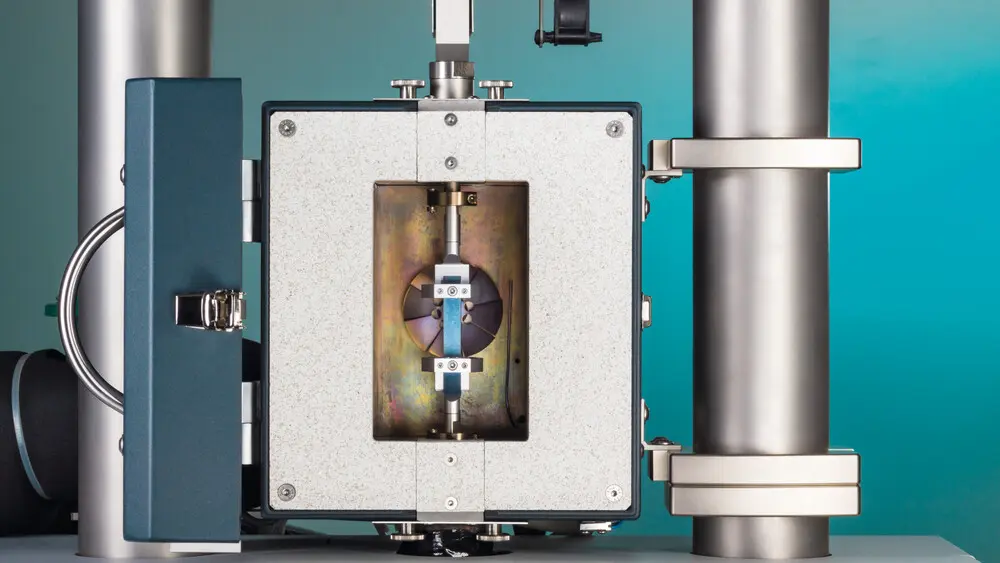
The flexibility of the DMA GABO Eplexor®® through its independent drives allows for the realization of a great variety of test conditions from practical applications in a laboratory setting. Dr. Sahbi Aloui explains how you can use the DMA GABO Eplexor®® to exactly simulate the load situation of a respective application.
- Conference
- Anorganika
06.02.2020Good Things Come to Those who Wait … That was in the Past!
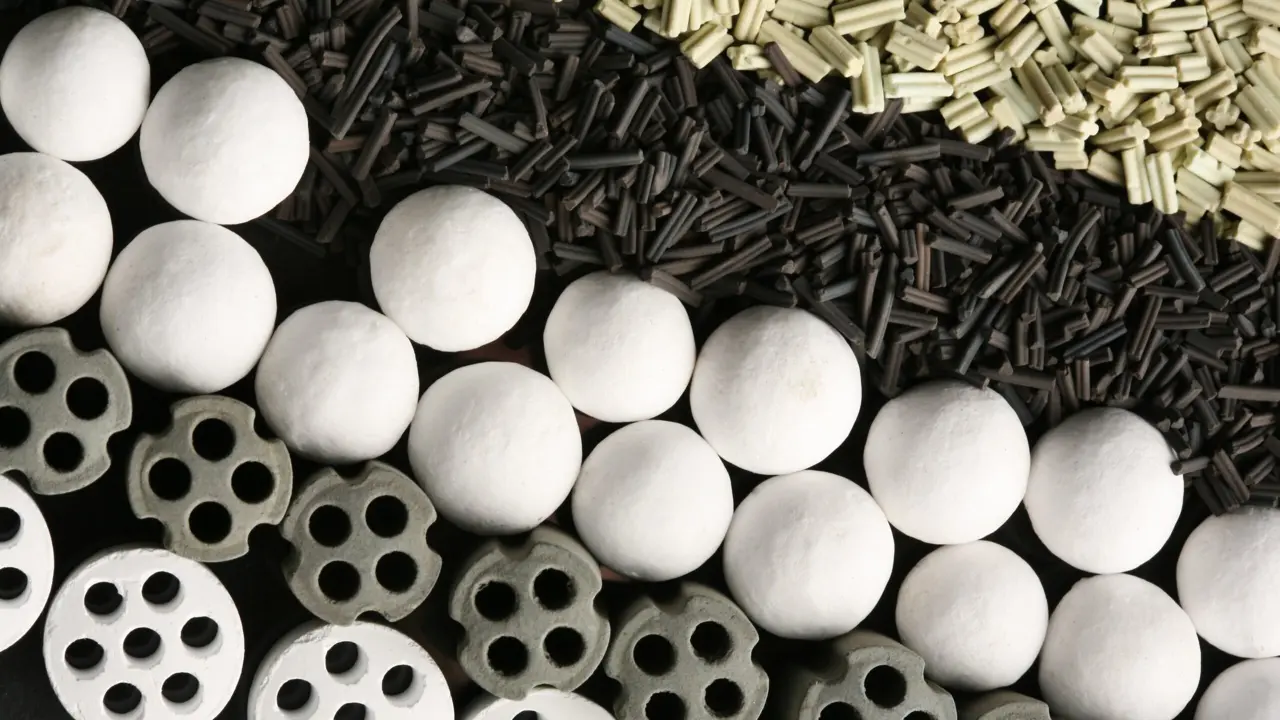
Most industrial chemical processes are based on catalysis, which means that its economic importance is enormous. NETZSCH, Micromeritics and Malvern Panalytical are jointly organizing a two and a half day workshop on analytical techniques and methods for the characterization and optimization of heterogeneous catalysts in March 2020. Learn more about the program in this blog article!

- Software
- DEA
05.02.2020Big Data in a Nutshell
In times of digitalization and Industry 4.0, the topic of Big Data plays an increasingly important role. Whether in industrial companies, social media or during personal shopping in the supermarket, huge amounts of data are generated and stored every day. NETZSCH Analyzing & Testing keeps up with the times and takes on these new topics in the field of thermal analysis. In the new blog series, our data scientists familiarize you with the new terms.
- Rheology
- Rheometer
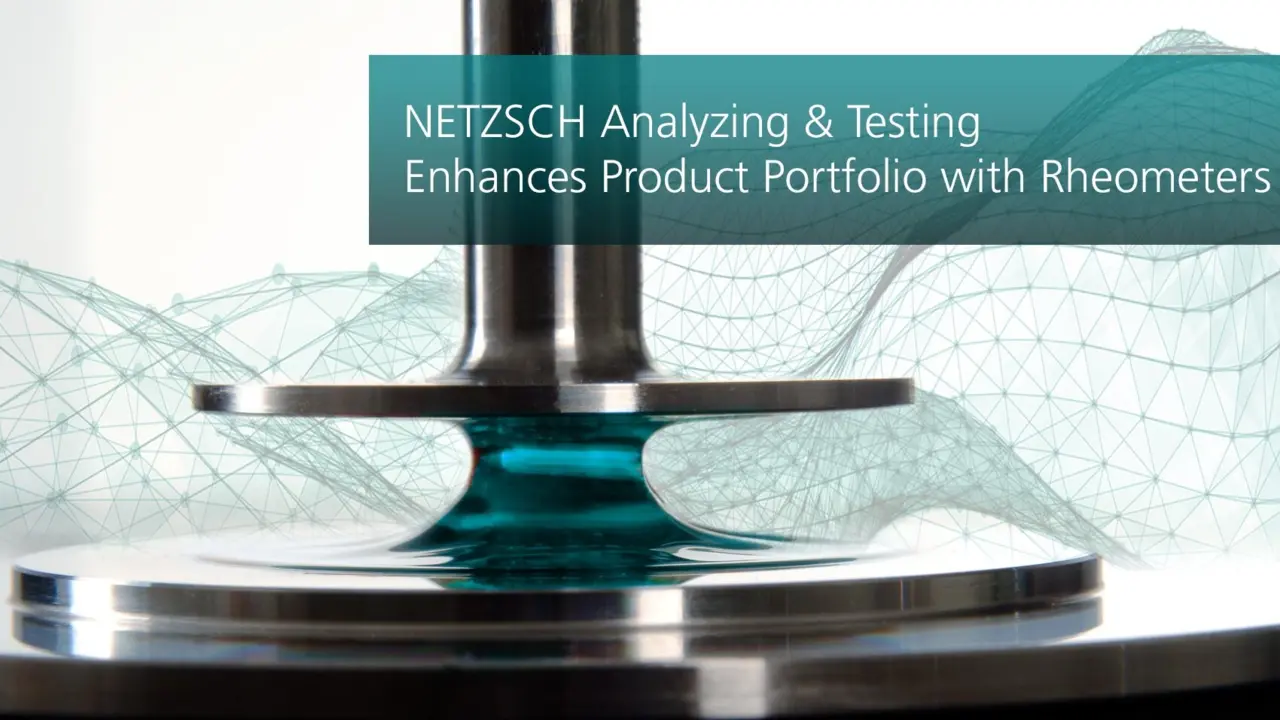
03.02.2020NETZSCH Analyzing & Testing Enhances Product Portfolio with Rheometers
We proudly announce the extension of our product portfolio with the Kinexus rotational rheometers and Rosand capillary rheometers formerly manufactured and distributed by Malvern Panalytical Limited (“Malvern Panalytical”). NETZSCH and Malvern Panalytical look back on many years of close collaboration, making the acquisition of the Malvern Panalytical’s rheology business a natural step in this journey.
- Keramik
- Software
- Kinetics Neo
- TG 209 F1 Libra®
- TGA
21.01.2020How to simulate and optimize debinding processes
NETZSCH Product Manager, Elena Moukhina, explains how the Kinetics Neo software helps perform polymer debinding processes more quickly and efficiently.

- Baumaterialien
- Fire Testing
- GHP
- TRDA/TRDL
13.01.2020New in Our Portfolio: Fire Testers, Hotboxes and Guarded Hot Pipes
With the NETZSCH TAURUS® Instruments GmbH, the product portfolio of the NETZSCH business unit Analyzing & Testing has been expanded with fire testing systems, thermal conductivity measuring devices and heat transfer coefficient (U-value) measurement instruments (Hotboxes).