- Polymere
- DMA
- DMA 242 E Artemis
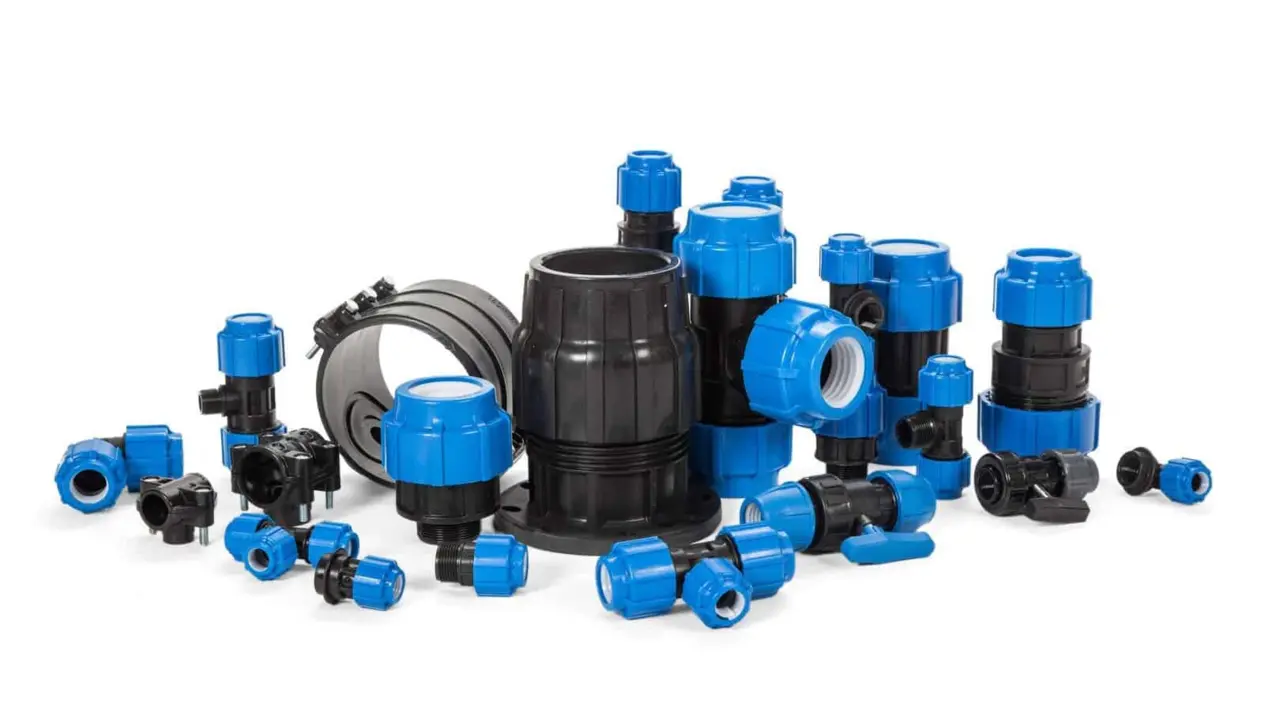
02.04.2020How Water Influences the Mechanical Properties of Polymers
Why is water a problem for a part made of thermoplastics? Textbooks describe that the water uptake for some types of polyamide (PA) is really high in both 50% relative humidity and in water. This alone would not be the problem, but the uptake of water leads to very different properties of materials. How can dynamic mechanical analysis (DMA) help with this issue?
- Conference
- Kleb- und Dichtstoffe
- Polymere
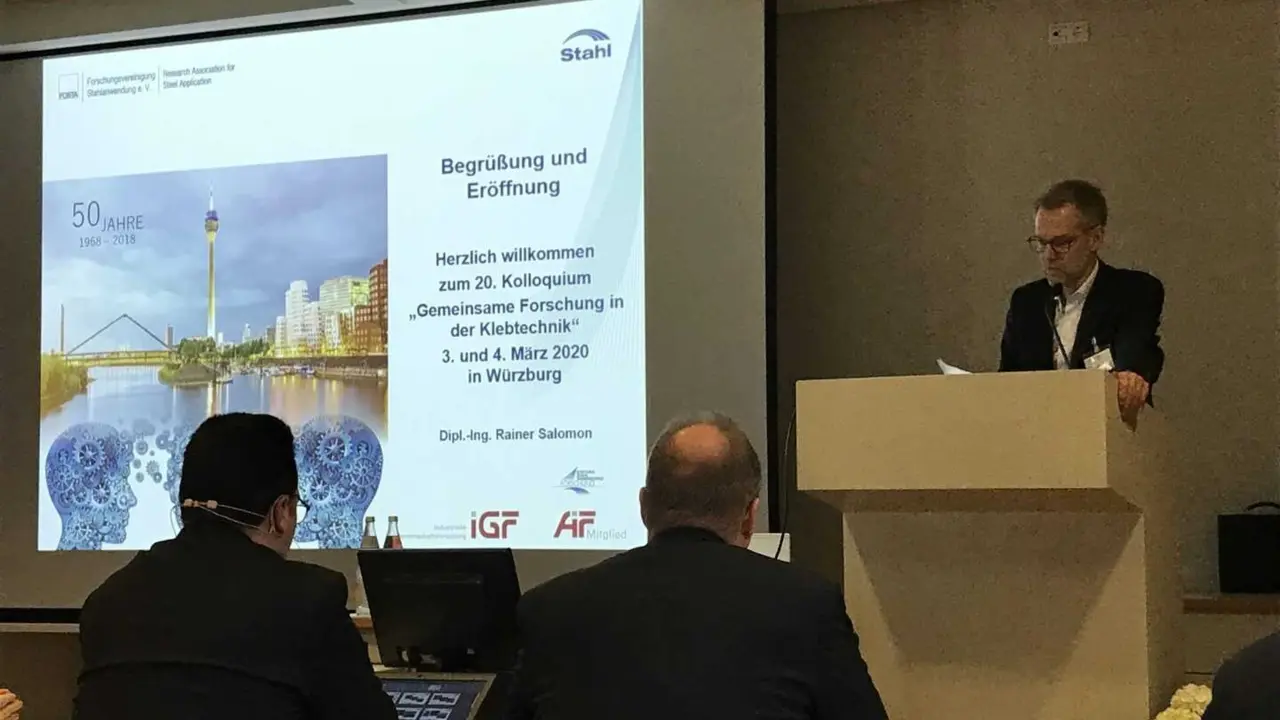
25.03.2020Zukunftstrends beim Kolloquium „Gemeinsame Forschung in der Klebtechnik“
Zum 20. Mal findet aktuell in Würzburg das Kolloquium „Gemeinsame Forschung in der Klebtechnik“ statt. 230 Teilnehmer diskutieren gemeinsam ihre Forschungsergebnisse, Neuentwicklungen und Herausforderungen. Aus den vielen interessanten und informativen Vorträgen am ersten Tag werden vier zukunftsweisende Trends sichtbar.

- Polymere
- DSC
- TGA
- EGA
- DSC 214 Polyma
- FT-IR Coupling
23.03.2020Discover Everything about Your Material: Comprehensive Study on PMMI
PMMI (Polymethacrylmethylimide) is a thermoplastic polymer. As it is an amorphous polymer, it features high transparency. The case study describes how thermal analysis methods can be employed to discover everything about the material.
- Baumaterialien
- GHP
- Software
- Keramik
- GHP 721S-900 mm
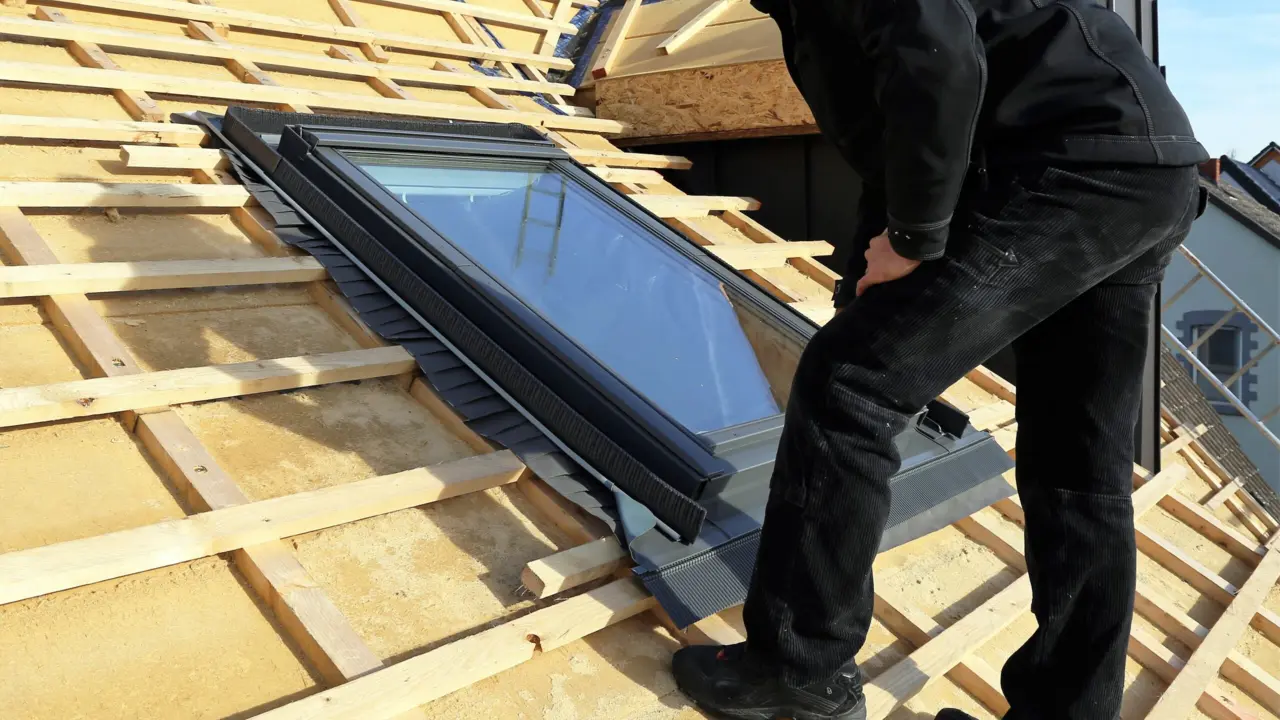
16.03.2020Thermal Conductivity of Insulating Glass Windows and Skylights
Building regulations in various countries require minimum thermal conductivity (U-values) for different parts of a new building. This refers to anything from external walls, floors, roofs, windows and doors. Guarded Hot Plates (GHPs) determine these important values. Read here how!

- Asphalt
- Rheology
13.03.2020NETZSCH are New Members of AMAP
Rheology and asphalt specialist John Casola reports on the events of day one of the 2020 AMAP meeting
- Rheology
- Rheometer
- Kinexus Prime Series
- Rosand RH2000
- Rosand RH7/RH10
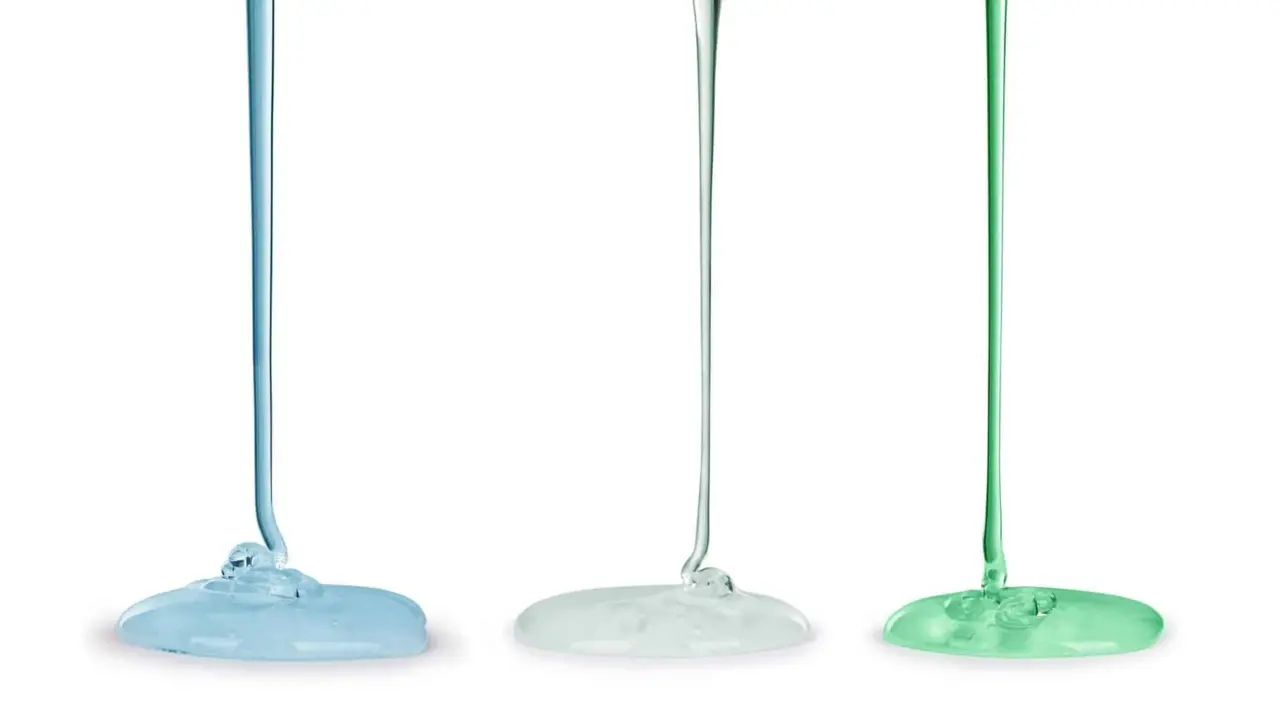
11.03.2020Rheometer oder Viskosimeter?
Die Entscheidung, ob ein Viskosimeter oder ein Rheometer gekauft werden soll, ist nicht immer einfach. Dieser Leitfaden zeigt Ihnen die Unterschiede auf und erklärt, weshalb ein Rheometer für Ihre Anwendungen besser geeignet sein könnte.

- Asphalt
- Rheology
- Rheometer
- Kinexus Prime DSR Series
05.03.2020Cooperation with infraTest in the Asphalt and Bitumen Industry
After extending our product portfolio with rheometers, we are proud to announce the cooperation with infraTest Prüftechnik GmbH in the asphalt and bitumen industry! Read more about the importance of rheology in the industry, the cooperation and our first joint event.
- Polymere
- DSC
- DEA
- Proteus®
03.03.2020Reduce Scrap Production with Thermal Analysis
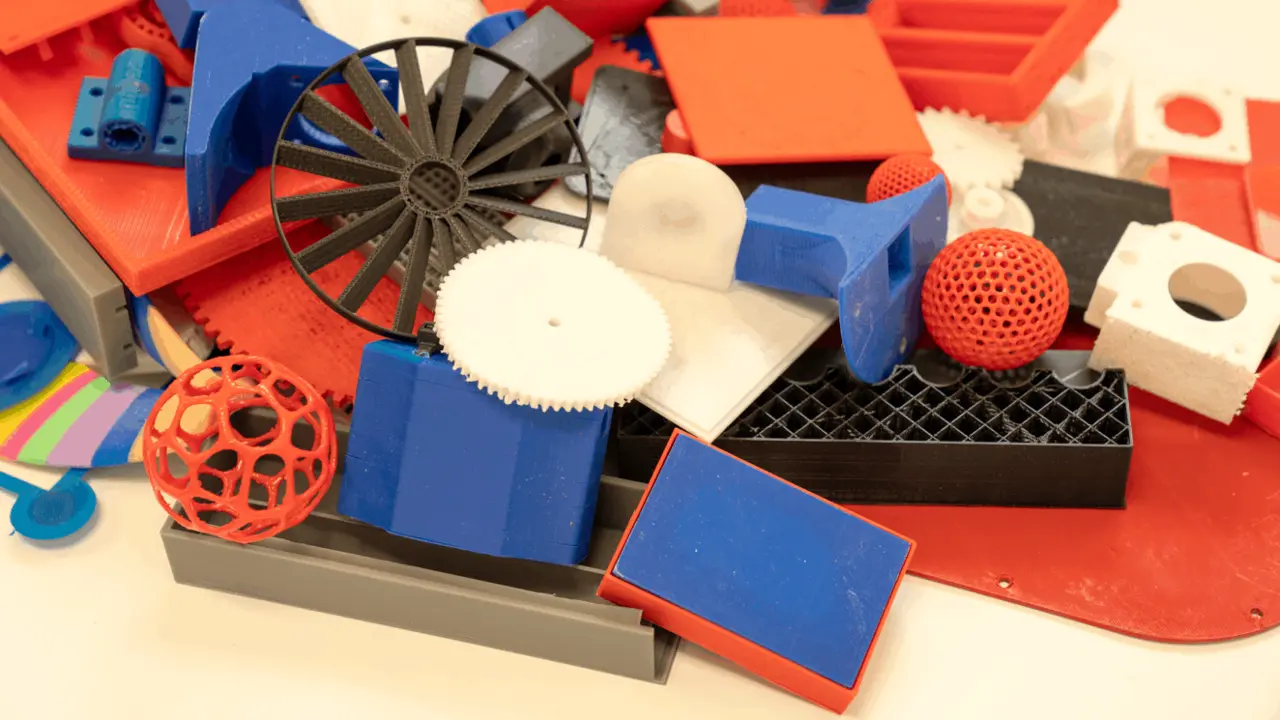
Bringing cost, material, production process and quality successfully together is one of the key objectives in the injection molding industry. If the production process is not correct or if the material does not adhere to the specified requirements, low quality and thus scrap production is the consequence. Ideally, all of these four factors should be able to be managed in order to avoid scrap production. Thermal analysis methods offer valued approaches.
- Software
- DSC 214 Polyma
- Identify
- AutoEvaluation
- Proteus®
24.02.2020A Simple Way to Evaluate and Manage Material Data
Knowledge of the thermal properties of the material is crucial for producing thermoplastic parts. However, materials are not always delivered with sufficient information on all properties. Thermal analysis instruments are suitable to find the most important parameters by yourself. But the instrument is only the first step. The software is equally important. Here are two examples how Proteus®® can help achieve faster results.
- Organika
- EGA
- DIL
- STA
19.02.2020How Thermal Analysis can unlock Nature’s Secrets
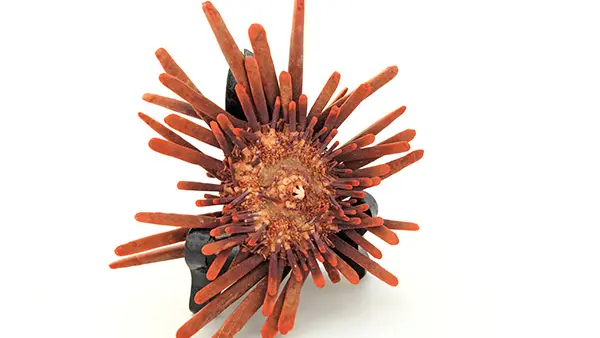
Amorphous calcium carbonate (ACC) is the amorphous and least stable polymorph of calcium carbonate. ACC is extremely unstable under normal conditions and is found for example in sea urchins and corals. The influence of ACC on the outstanding macromechanical properties of Echinoderm calcite is unknown. In this paper Thermal Analysis methods were used to investigate the thermal stability of sea urchin spines.