Material Characterization for Polymers
Solve Polymer Material and Processing Challenges with Reliable Characterization Data
NETZSCH helps polymer developers, processors, quality-control teams and researchers characterize polymers, elastomers, adhesives, compounds and composites for R&D, processing, failure analysis and quality control.
Talk to our experts to find the right analytical method and instrument for your polymer application!

Talk to a Polymer Materials Specialist
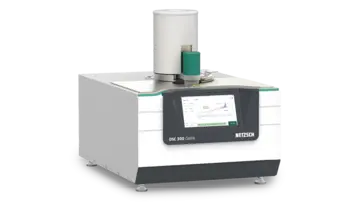
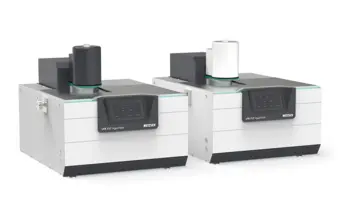
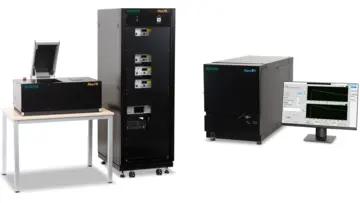
Find the Right Polymer Characterization Approach
The suitable method depends on your polymer system, the property you need to understand and the requirements of your R&D, processing or quality-control workflow.
Talk to a Polymer Materials Specialist
When Polymer Performance Matters, the Right Data Supports Better Decisions
Polymer properties can change with formulation, processing history, temperature, mechanical loading and aging. Whether you are comparing materials, establishing a processing window, investigating a failure or building a quality-control workflow, meaningful characterization data helps you assess thermal behavior, composition and mechanical response with greater confidence.
Understand thermal behavior
Support formulation and processing decisions
Investigate mechanical performance and material changes
Not Ready to Talk Yet?
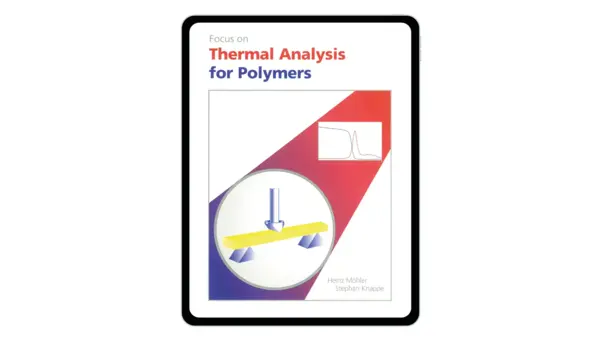
Explore the Ebook “Thermal Analysis of Polymers”
Discover how thermal analysis connects with conventional testing methods in mechanics, physical chemistry and process technology. This publication uses practical industrial examples to explain key thermoanalytical techniques and their application in material and component development.
Learn why thermal analysis is a fast, cost-effective tool for evaluating polymer materials and supporting informed development and quality decisions.
Talk to a Polymer Materials Specialist
Tell us about your polymer material, application or testing objective. A NETZSCH representative will contact you to discuss suitable characterization methods and next steps.
Talk to a Polymer Materials Specialist
You May Also Be Interested In
Dive deeper into the world of NETZSCH Analyzing & Testing: explore our products, discover application insights, learn about our service offering or expand your expertise through e-learning resources.