Learn, Apply, Achieve.
Basic Course
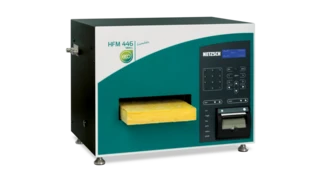
HFM 446 Lambda Small
Language: English - Duration: 67 Min.
This Online course explains the
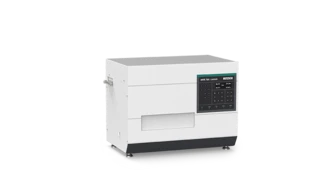
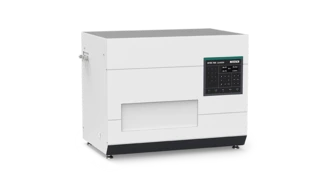
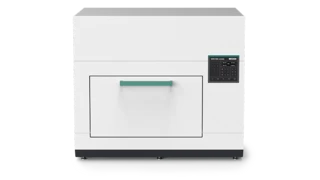
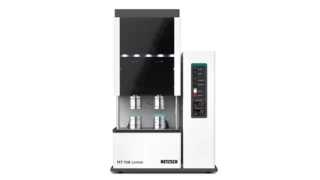
- the hardware of the instrument
- the theory of the HFM method
- which factors have an influence on the measurements
- how to prepare different types of samples
- how to calibrate the equipment
- how to start a Thermal ConductivityThermal conductivity (λ with the unit W/(m•K)) describes the transport of energy – in the form of heat – through a body of mass as the result of a temperature gradient (see fig. 1). According to the second law of thermodynamics, heat always flows in the direction of the lower temperature.thermal conductivity measurement
- how to obtain Thermal ConductivityThermal conductivity (λ with the unit W/(m•K)) describes the transport of energy – in the form of heat – through a body of mass as the result of a temperature gradient (see fig. 1). According to the second law of thermodynamics, heat always flows in the direction of the lower temperature.thermal conductivity results
Syllabus
- Introduction of the speaker and the agenda
- Introduction on the Product Guide of the NETZSCH HFM 446 LambdaSmall
- Instrument overview
- Technical information
- Accessories
- Introduction
- Measurement and application range
- Measuring cell
- Measurement principle
- Summary
- Introduction on influential factors
- Thermal Resistance
- Influence of the sample geometry
- Influence of the applied pressure
- Influence of the humidity
- Influence of the temperature gradient
- Summary
- Introduction on Sample Preparation
- Sample Preparation of compressible samples
- Sample Preparation of loose filled samples
- Instrumentation kit
- Introduction on Calibration
- HFT Calibration Materials Manager
- HFT Calibration
- Start a measurement
- Evaluation of a measurement
Explore the range of NETZSCH HFM and GHFM instruments