
Dynamic Mechanical Analysis (DMA)
Find the Right DMA Instrument for Your Thermal Analysis
Understand How Your Materials Perform Under Real-World StressStress is defined as a level of force applied on a sample with a well-defined cross section. (Stress = force/area). Samples having a circular or rectangular cross section can be compressed or stretched. Elastic materials like rubber can be stretched up to 5 to 10 times their original length.Stress
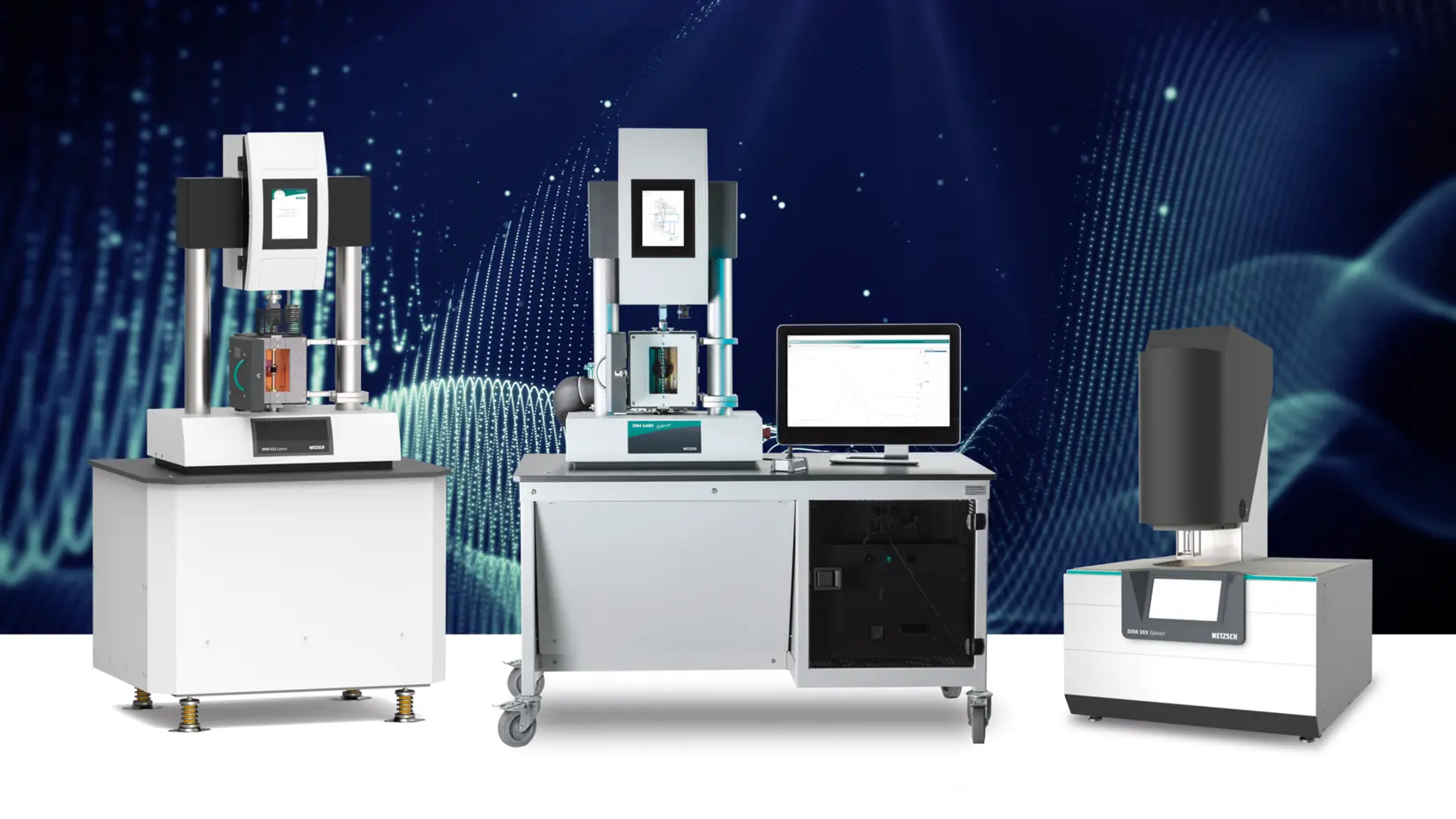
Dynamic Mechanical Analysis (DMA) from NETZSCH helps you characterize viscoelastic behavior, stiffness, damping and transitions across temperature, frequency and force.
Talk to our team to find a DMA solution that fits your application and budget!
Talk to a DMA Specialist
Our Dynamic Mechanical Analyzers
DMA Systems Designed Around Your Measurement Requirements
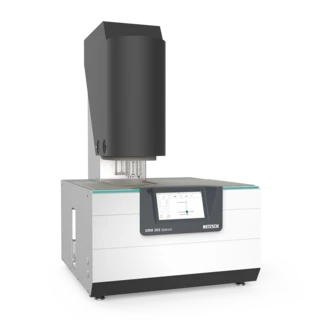
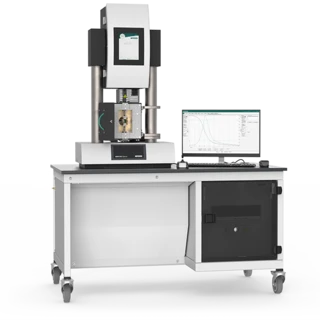
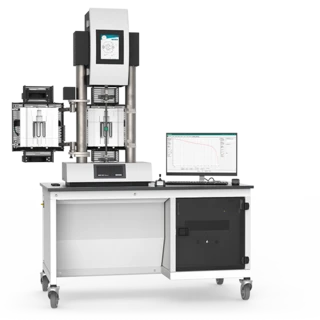
NETZSCH offers DMA solutions for demanding material characterization tasks, from routine measurements to advanced research applications. Depending on your material, sample geometry and test conditions, the appropriate system configuration may vary.
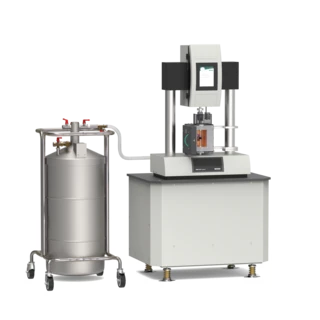
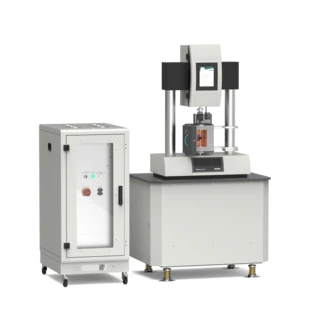
Get Help Selecting a DMA System
What Is Dynamic Mechanical Analysis?
Understand Material Behavior
Dynamic Mechanical Analysis (DMA) is a technique used to measure how a material responds to an oscillating mechanical force. It provides insight into a material’s stiffness, elastic and viscous behavior, damping and temperature-dependent transitions.
DMA is particularly valuable when you need to understand not just whether a material works, but how it behaves under changing mechanical and thermal conditions.
Storage Modulus (E′)
Loss Modulus (E″)
tan δ
Want More Details? Explore Our DMA Brochure
Get an overview of our DMA portfolio, key features and instrument options to support your evaluation.


Take a Closer Look at the DMA 303 Eplexor®
Why Work with NETZSCH?
More Than an Instrument: Expertise for Your DMA Workflow
- Application expertise
Work with specialists who understand thermal analysis and material characterization challenges. - Measurement flexibility
Configure a solution around your sample type, temperature range, deformation mode and measurement goals. - Reliable data for technical decisions
Generate meaningful material-property information to support development, optimization and quality processes. - Support beyond installation
Benefit from application consultation, training and service throughout the lifecycle of your system.
Not Ready to Talk Yet?
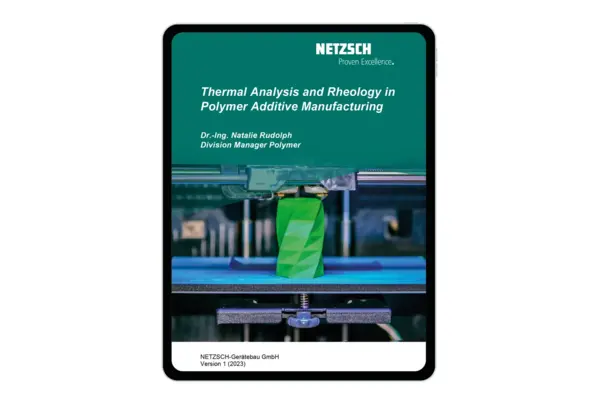
Explore the Ebook “Thermal Analysis and Rheology in Polymer Additive Manufacturing”
Discover how reliable material characterization supports successful polymer Additive Manufacturing. This ebook explores the role of thermal analysis and rheology in understanding material behavior throughout AM processes—with a particular focus on how Dynamic Mechanical Analysis (DMA) helps evaluate viscoelastic properties, stiffness, damping and temperature-dependent transitions.
Let’s Discuss Your DMA Requirements
Need support selecting a DSC instrument or evaluating a specific application? Send us your details and a NETZSCH sales representative will contact you.
Ready to Discuss Your DMA Requirements?

Not Ready to Talk Yet?
Explore Our Free DMA E-Learning Courses
If you’d like to learn more about DMA and our instruments before contacting our team, explore our free E-Learning courses.
You May Also Be Interested In
Dive deeper into the world of NETZSCH Analyzing & Testing: explore our products, discover application insights, learn about our service offering or expand your expertise through e-learning resources.