
Learn, Apply, Achieve.
Basic Course
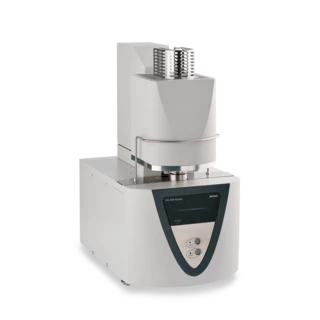
STA 509 Jupiter® Select
Language: English - Duration: 163 Min.
This Online course explains the
- theory behind the STA
- theory behind a DSC Signal,
- which factors have an influence to your DSC Signal
- how to evaluate melting, Glass Transition TemperatureThe glass transition is one of the most important properties of amorphous and semi-crystalline materials, e.g., inorganic glasses, amorphous metals, polymers, pharmaceuticals and food ingredients, etc., and describes the temperature region where the mechanical properties of the materials change from hard and brittle to more soft, deformable or rubbery.glass transition and CrystallizationCrystallization is the physical process of hardening during the formation and growth of crystals. During this process, heat of crystallization is released.crystallization effects
- theory behind a TG Signal,
- which factors have an influence on your TG Signal
- how to evaluate mass loss steps, residual mass and characteristic Decomposition reactionA decomposition reaction is a thermally induced reaction of a chemical compound forming solid and/or gaseous products. decomposition temperature
- how to start a measurement
- how to prepare your samples
- and your STA 509 Jupiter® Select instrument itself.
Course Information
- Language: English
- Total Course Duration: 163 Min.
- Duration of use: unlimited
- Price: free of charge
Syllabus
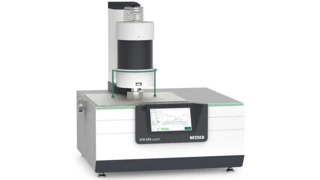
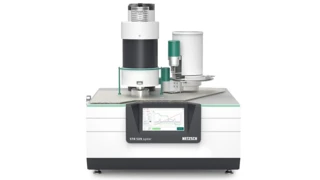
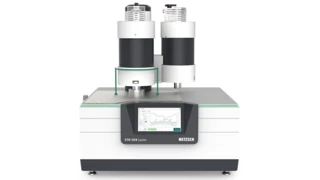
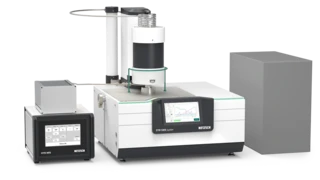
Explore the range of NETZSCH STA instruments

Consultancy & Sales
Do you have further questions about the instrument or the method? Would you like to speak to a sales represenative?
Service & Support
Do you already have a NETZSCH instrument and need technical support or spare parts?

Academy & Training
Would you like us to provide online live training or on-site training at the laboratory to meet your specific requirements?