- Rheology
- Polymere
- Rosand RH2000
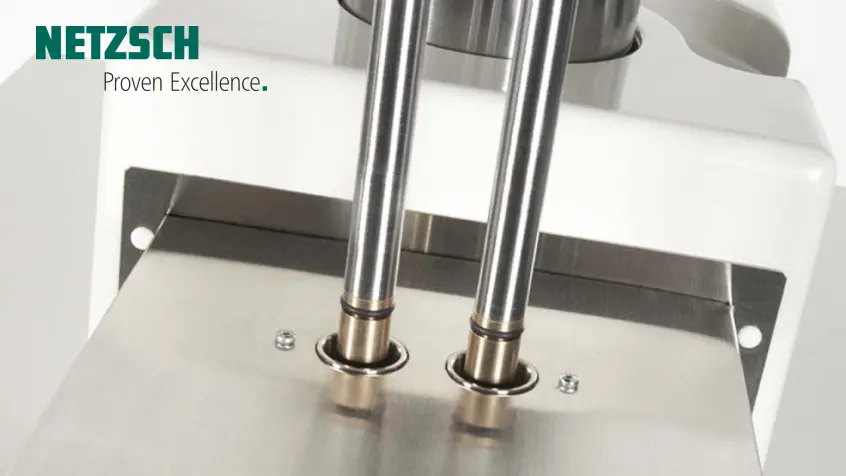
19.09.2023Working Principle of Capillary Rheometers
Traditionally, capillary rheometers have been used to measure the shear viscosity and elasticity of viscous materials at high shear rates. In this article and video, Natalie Rudolph (PhD) explains the working principle, parameters and their relations of the capillary rheometer.
- Polymere
- Additive Manufacturing
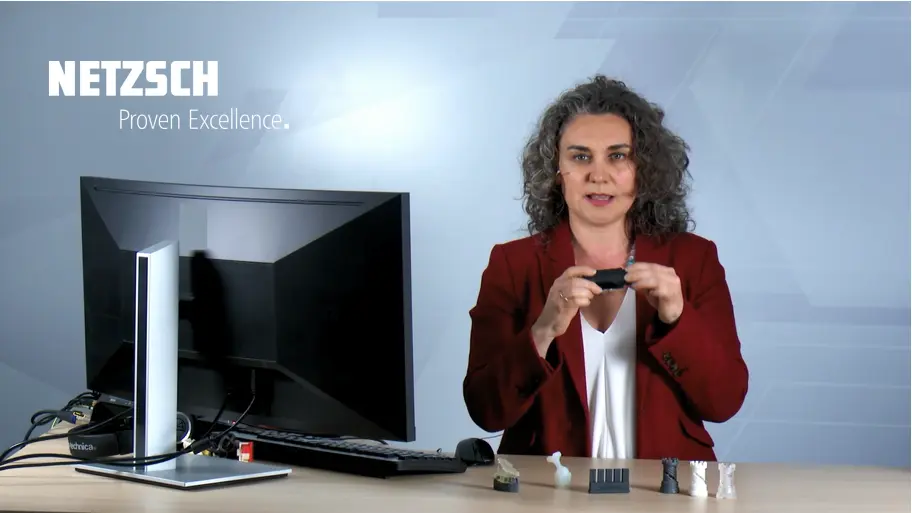
18.11.2020Vat Photopolymerization: Material Science in Additive Manufacturing
This week, the spotlight is on the Additive Manufacturing technology Vat Photopolymerization (VP, SLA, DLP). I explain the general process principle and its variations. Furthermore, I look at the material class that is commonly used and discuss benefits and applications of the process.
 12.11.2020
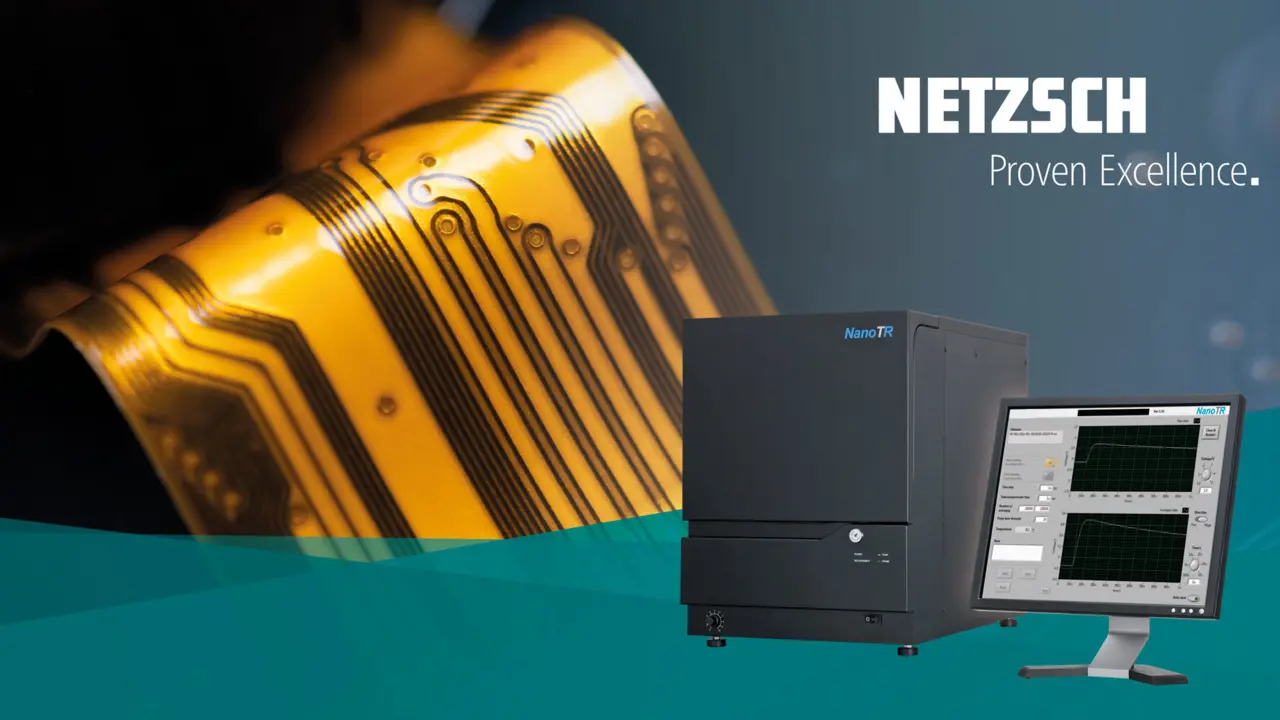
PicoTherm Corporation joins NETZSCH Group
We are pleased to announce that, effective October 30, 2020, PicoTherm Corporation joined the NETZSCH Group as a wholly owned subsidiary of NETZSCH Japan, K.K.
- Polymere
- Additive Manufacturing
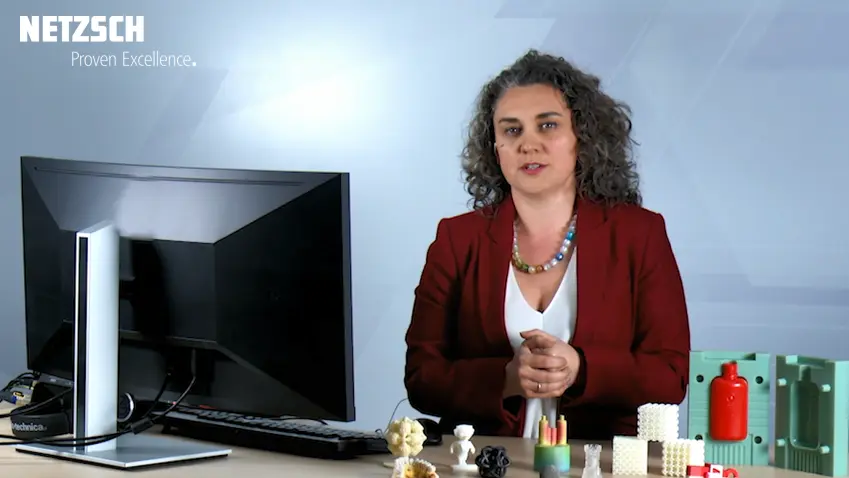
11.11.2020Introduction to Additive Manufacturing
Welcome to week 1 of Material Science in Additive Manufacturing! This initial week of our video series is dedicated to generating a common understanding of Additive Manufacturing (AM), the different categories and tradenames along with the typical process flow. Enjoy!
- Rheology
- Rheometer
- Rosand RH2000
- Rosand RH7/RH10
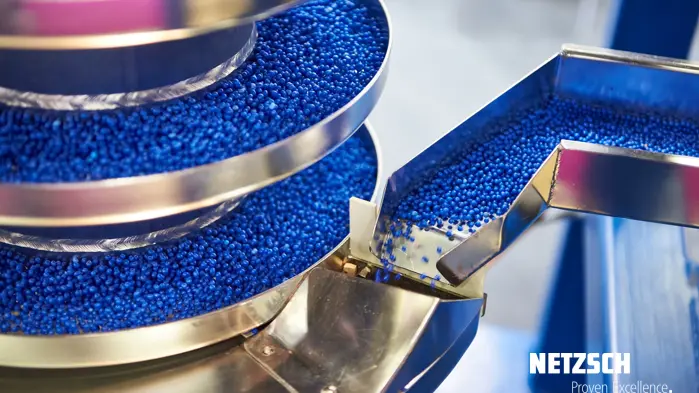
05.11.2020Grundlagen der Kapillarrheologie
Rheologie untersucht die Verformung und das Fließen von Fluiden. Traditionell wurden Kapillarrheometer verwendet, um die Scherviskosität und Elastizität von viskosen Materialien bei hohen Schergeschwindigkeiten zu messen. Erfahren Sie, warum Sie ein Kapillarrheometer benötigen und welche Daten Sie erhalten können.
- Polymere
- Additive Manufacturing
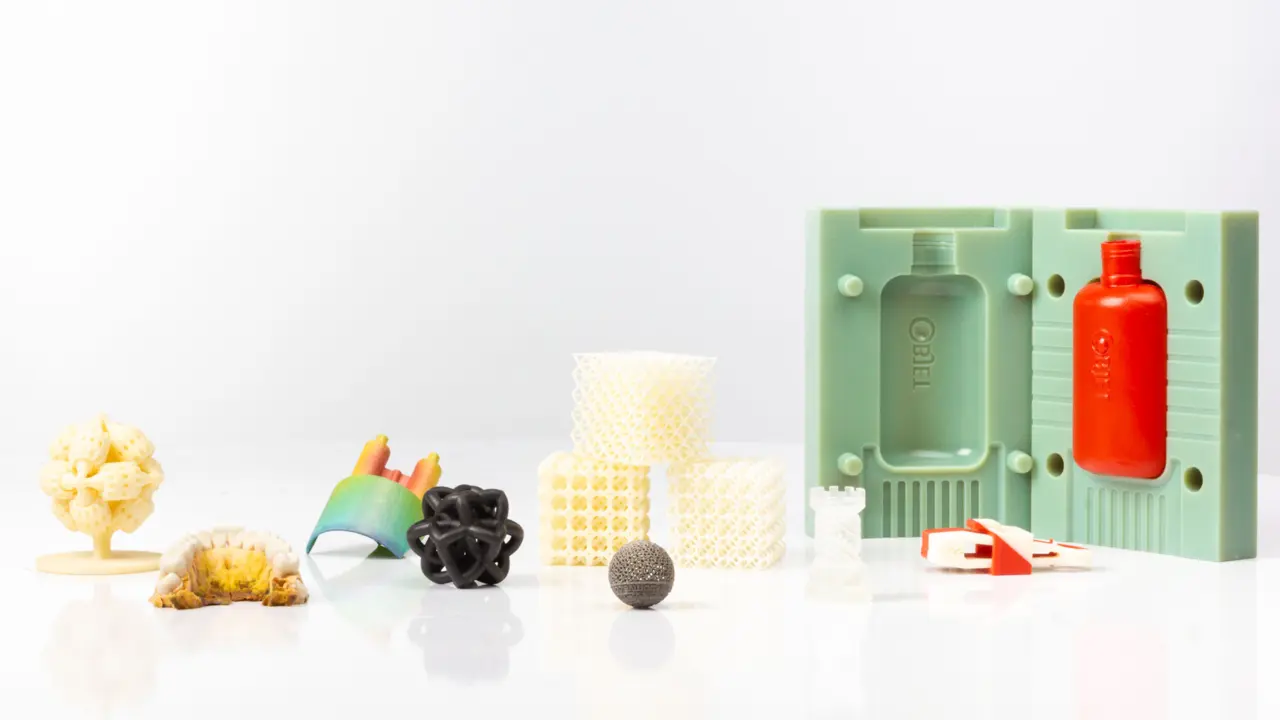
04.11.2020Materialwissenschaft in der additiven Fertigung: Unsere neue Videoserie!
Additive Manufacturing (AM) oder 3D-Druck ist zu einer Konstanten in unseren Produktdesign- und Entwicklungszyklen geworden und hält Einzug in immer mehr neue Produkte. Bei NETZSCH Analysieren & Prüfen sehen wir immer mehr Kunden aus dem Bereich der additiven Fertigung, die unsere Instrumente zur Materialauswahl und Prozessoptimierung einsetzen. Aus diesem Grund haben wir diese Videoserie vorbereitet und freuen uns, endlich mit unserer Videoserie "Materialwissenschaft in der Additiven Fertigung" zu starten.

- Gummi und Reifen
- DMA
- DiPLEXOR®
- DEA 288 Ionic
29.10.2020Material Behavior on a Nanoscale with the DMA GABO DiPLEXOR®
Rubber is a living material. During mechanical loading, rubber changes its mechanical behavior due to inner structural changes on the molecular scale. Learn in the video how the dynamic mechanical and dielectric properties of carbon black-filled rubber compounds can be analyzed.
- Polymere
- TMA
- TMA 402 F1 /F3 Hyperion®
26.10.2020Unique Tool for the Prediction of Product Performance and Processing Behavior under Thermal Expansion Control
- Polymere
- TGA
- STA
- STA 449 F3 Jupiter®
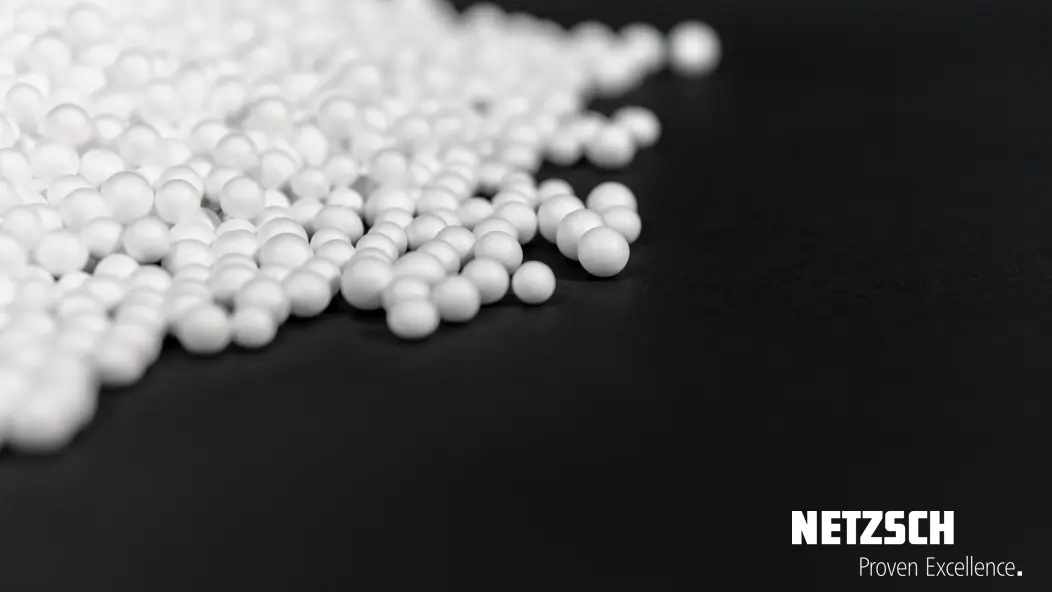
21.10.2020Konstante Produktqualität von expandiertem Polystyrol (EPS) mittels STA
Jeder kennt EPS, das Verpackungsmaterial, das in der Unterhaltungselektronik für Fernsehgeräte oder Computer sowie für Isolierungen von Gebäuden. eingesetzt wird. Ausgangsbasis für EPS-Teile ist Polystyrol-Granulat, das homogen mit einem Treibmittel – meist Pentan − angereichert wird. Je mehr Treibmittel ein Mikrogranulat enthält, desto leichter lässt es sich im Prozessschritt Vorschäumen expandieren. Um die erforderlichen Verarbeitungsparameter genau bestimmen zu können, ist die Kenntnis des Treibmittelgehalts wichtig. Lesen Sie wie Thermogravimetrie Ihnen dabei hilft!
- Polymere
- DMA
- Kleb- und Dichtstoffe
- Gummi und Reifen
- DMA 242 E Artemis
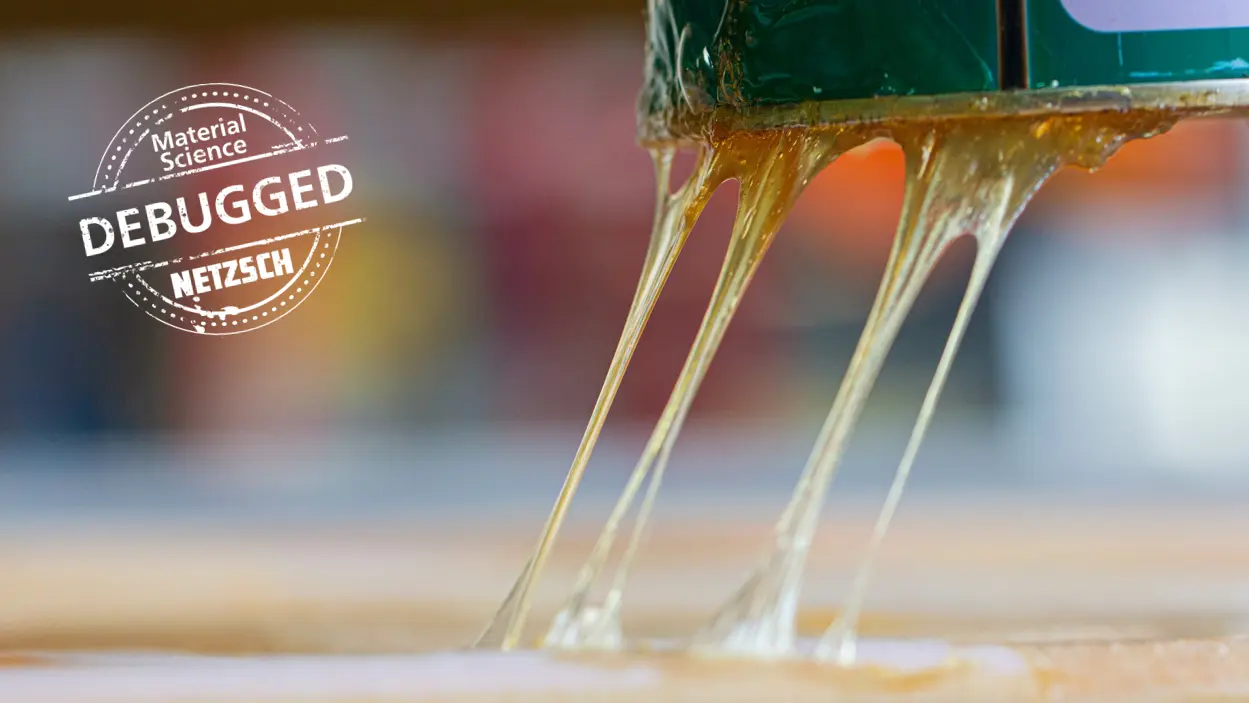
20.10.2020Investigating phase separation in elastomer-toughened adhesives with DMA
Many of the polymers that are used in adhesives are relatively brittle materials. To improve their toughness, different fillers or toughening agents are incorporated in the adhesive formulations. Phase separation occurs during the process of monomer conversion to polymer. An understanding of the phase separation behavior under different curing conditions and the development of the morphology are important. This editorial summarizes the application of the DMA in the investigation of thermal properties and phase separation in elastomer-toughened ethyl cyanoacrylate adhesive bulk films.