Polymers
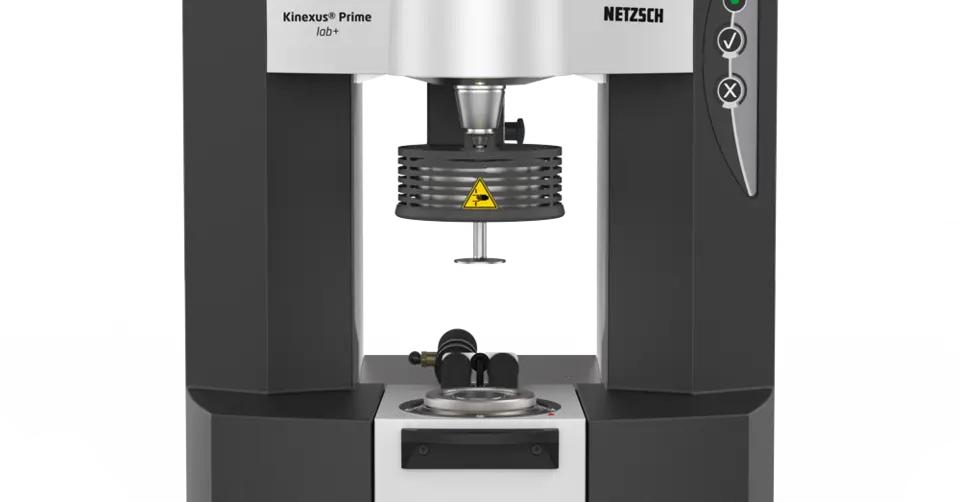
Our rheometers provide insight into the rheological properties of polymers, from biodegradable medical polymers through to high performance engineering plastics in aerospace. There are many ways that our rheometers can help enhance your productivity or production efficiency. Some examples include:
· comparison of different materials or batches during material selection or QC
· understanding how the material will flow and perform in processing
· determining melting, crystallization or curing behavior whilst obtaining input data for modelling
· how additives or fillers may influence performance
· assisting in mold and part design e.g., with input data for plastic flow simulation
· an insight into molecular weight and degradation
With over 60 years experience in thermal analysis, NETZSCH uniquely offers solutions in both rotational and capillary rheometry. If it is high shear rates and processing simulation you are considering, please take a look at the Rosand high pressure capillary rheometer line.
Which Rheometer suits your needs?
Rotational and Capillary Rheometers
From the entry level Kinexus Prime lab+ to the most sensitive Kinexus Prime ultra+, we offer a range of rotational rheometers to meet your needs, suited to sample type and measurement requirements. Some examples of our extensive range of optional extras include the ability to perform UV Curing (Crosslinking Reactions)Literally translated, the term “crosslinking“ means “cross networking”. In the chemical context, it is used for reactions in which molecules are linked together by introducing covalent bonds and forming three-dimensional networks.curing measurements or torsional tests on solid samples.
A high-pressure capillary rheometer can replicate the higher shear rates of your polymer processing conditions. The portfolio includes the bench-top Rosand RH2000 and the more powerful RH7 and RH10 models. Accessories can provide further insight into processing parameters such as die swell and melt strength.
Our latest blog articles
- 11.05.2026
How Glass Fillers Influence Powder Aging in Polymer Additive Manufacturing

- 06.01.2026
Understanding Melt Fracture in Polymer Processing with Capillary Rheometers

- 19.12.2025
Frost Under the Christmas Tree: Why Material Testing Below 0°C Is Important

- 18.03.2025
UV-Curing in Polymers: Insights by Means of Thermal Analysis and Rheology with NETZSCH Instruments
- 02.10.2024
Rheology and Environmental Solutions: A Global Approach to Mitigating Green House Gas Emissions

- 04.09.2024
Rheological Characterization of Liquid Colors

- 02.04.2024
The Importance of Rheology in Plastics Recycling
- 18.01.2024
Exploring Rheology: NETZSCH's Top-Ranked Blogs and Webinars