
- Asphalt
- Rheology
13.03.2020NETZSCH are New Members of AMAP
Rheology and asphalt specialist John Casola reports on the events of day one of the 2020 AMAP meeting

- Rheology
- Rheometer
- Kinexus Prime Series
- Rosand RH2000
- Rosand RH7/RH10
11.03.2020Viscometer or Rheometer – which is best for me?
Deciding whether to purchase either a viscometer or a rheometer is not always straightforward. This guide will take you through the differences and how a rheometer could be more suited for your needs.
- Asphalt
- Rheology
- Rheometer
- Kinexus Prime DSR+ Series
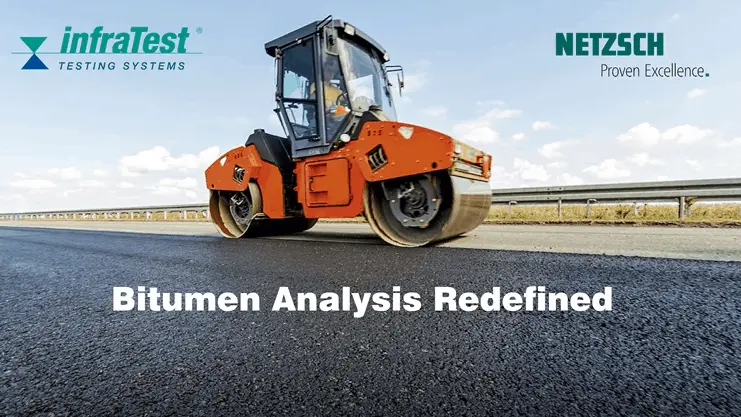
05.03.2020Cooperation with infraTest in the Asphalt and Bitumen Industry
After extending our product portfolio with rheometers, we are proud to announce the cooperation with infraTest Prüftechnik GmbH in the asphalt and bitumen industry! Read more about the importance of rheology in the industry, the cooperation and our first joint event.
- Polymers
- DSC
- DEA
- Proteus®
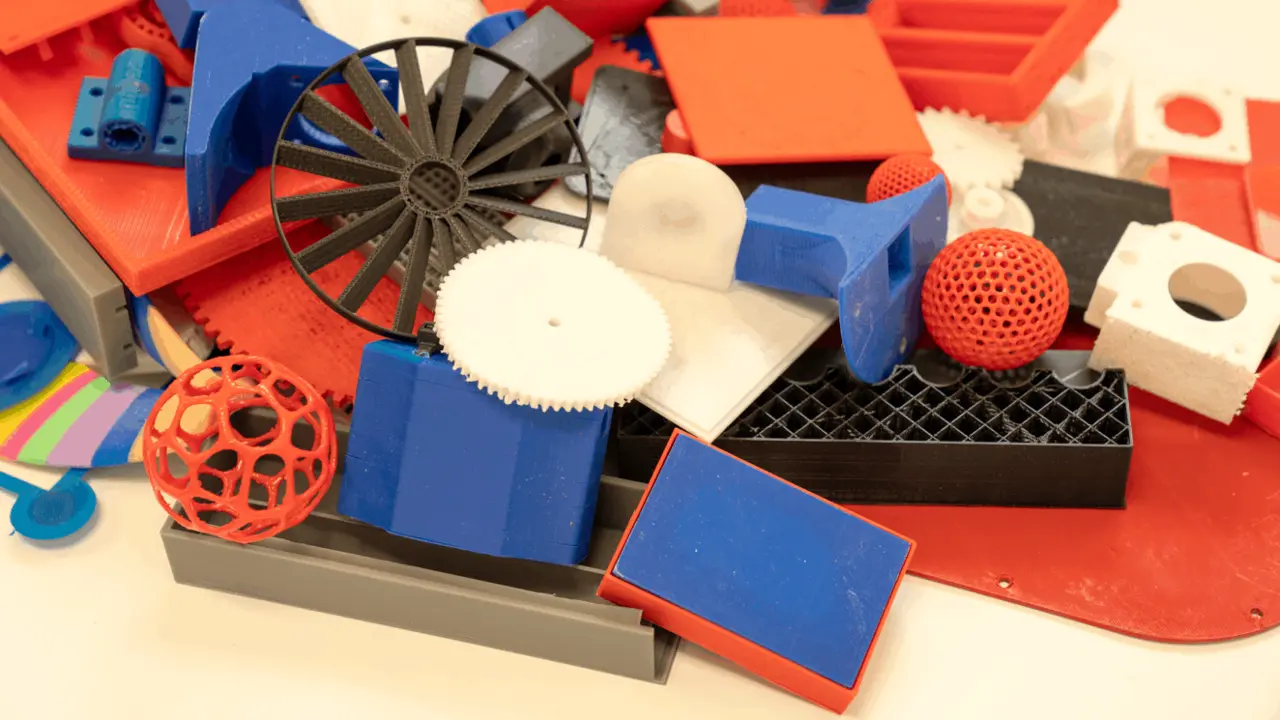
03.03.2020Reduce Scrap Production with Thermal Analysis
Bringing cost, material, production process and quality successfully together is one of the key objectives in the injection molding industry. If the production process is not correct or if the material does not adhere to the specified requirements, low quality and thus scrap production is the consequence. Ideally, all of these four factors should be able to be managed in order to avoid scrap production.thermal analysis methods offer valued approaches.
- Software
- DSC 214 Polyma
- Identify
- AutoEvaluation
- Proteus®
24.02.2020A Simple Way to Evaluate and Manage Material Data
Knowledge of the thermal properties of the material is crucial for producing thermoplastic parts. However, materials are not always delivered with sufficient information on all properties. Thermal analysis instruments are suitable to find the most important parameters by yourself. But the instrument is only the first step. The software is equally important. Here are two examples how Proteus®® can help achieve faster results.
- Organics
- EGA
- DIL
- STA
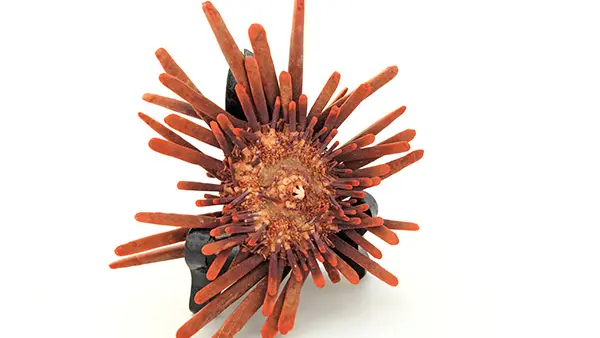
19.02.2020How Thermal Analysis can unlock Nature’s Secrets
Amorphous calcium carbonate (ACC) is the amorphous and least stable polymorph of calcium carbonate. ACC is extremely unstable under normal conditions and is found for example in sea urchins and corals. The influence of ACC on the outstanding macromechanical properties of Echinoderm calcite is unknown. In this paper Thermal Analysis methods were used to investigate the thermal stability of sea urchin spines.

- Polymers
- DSC
- TGA
- TMA
- DMA
13.02.2020How to Analyze Automotive Thermoplastic Parts for Failure
Thermoplastic parts can fail. This is no secret. However, when it has happened it is crucial to find out the reason for the failure of a part. Here is a short list of thermal analysis techniques and which questions they can answer in your failure analysis.
- Polymers
- Additive Manufacturing
- Photo-DSC 204 F1
12.02.2020How UV-light Exposure Times Affect Component Properties in Additive Manufacturing
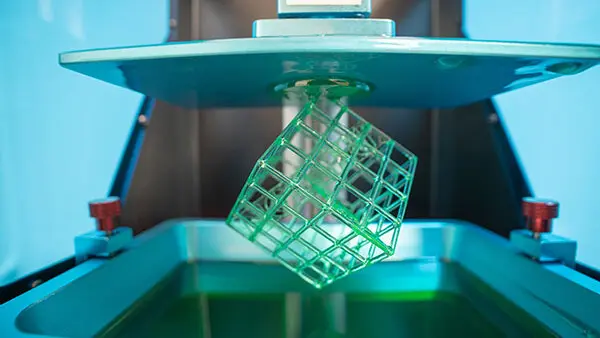
Additive Manufacturing (AM) has been around for several years. The main application for a long time was prototyping in the early stages of product development. Recently, new technologies like Digital Light Synthesis (DLS) are shaking up the AM sector. Using DLS and a two-stage dual-curing process, 3D printing is now being considered for mass production of parts since it has become considerably faster and the final product shows improved mechanical characteristics.
- Polymers
- DSC
- DMA
- DSC 214 Polyma
- DMA 242 E Artemis
12.02.2020Common Causes of Failure of Automotive Thermoplastics
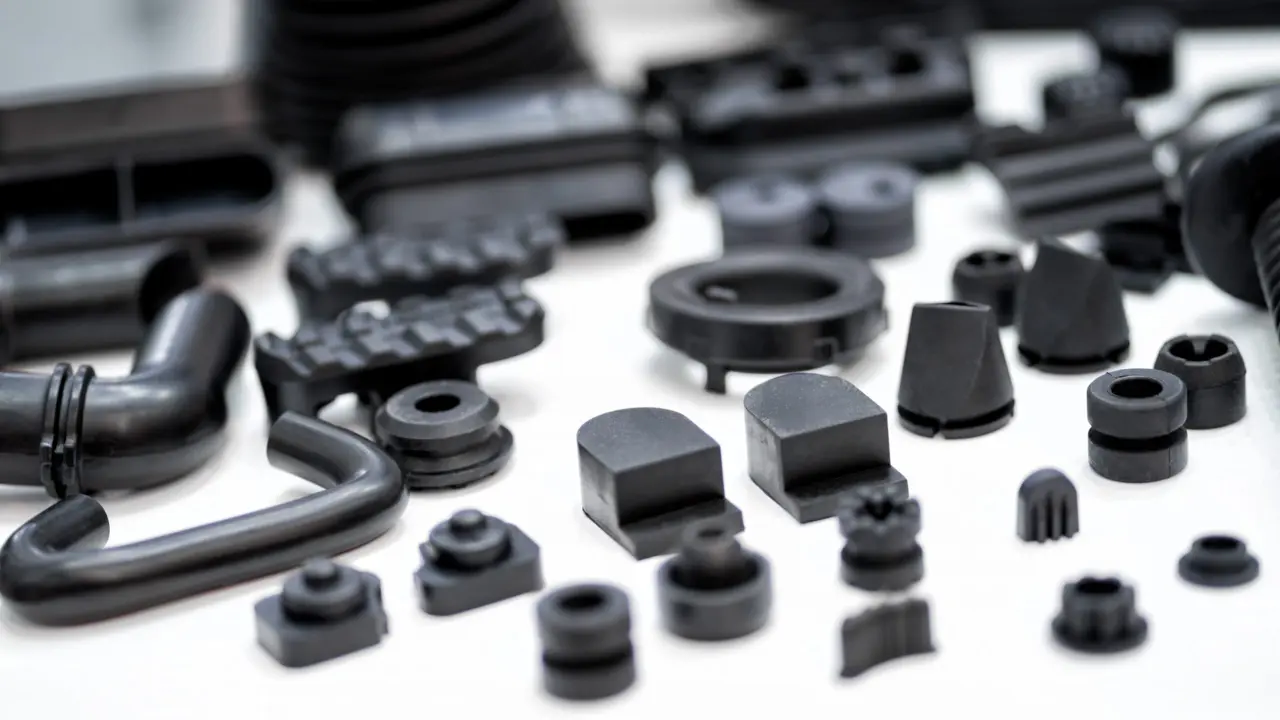
Failure of injection-molded thermoplastic parts appear in a wide range of forms. Often, the selected material or the production process of parts and components are the cause of the problem. Whenever faulty parts leave the machine, it is important to find the underlying cause of the failure. We selected two common failures of thermoplastics and show how thermal analysis can help determine the cause of failure.
- Tire & Rubber
- Polymers
- DMA Eplexor® 500N
11.02.2020Transferring Real Operating Conditions from Practice into the Laboratory Using the DMA Gabo Eplexor®
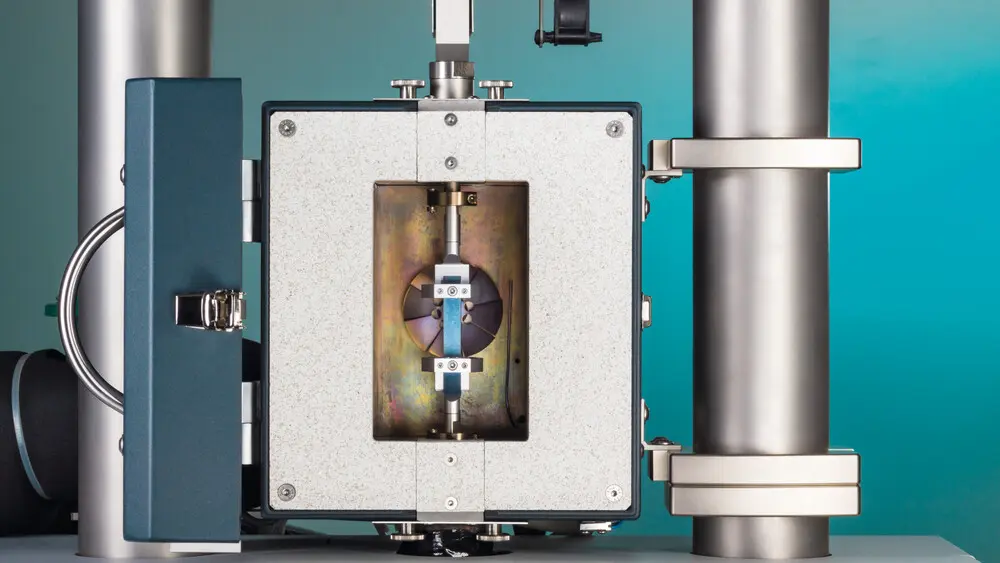
The flexibility of the DMA Gabo Eplexor®® through its independent drives allows for the realization of a great variety of test conditions from practical applications in a laboratory setting. Dr. Sahbi Aloui explains how you can use the DMA Gabo Eplexor®® to exactly simulate the load situation of a respective application.