04.08.2026 by Aileen Sammler
Can Artificial Cartilage Behave Like the Real Thing? Rheology Provides the Answer
How can artificial cartilage be optimized? Learn how rheology characterizes PVA hydrogels for biomedical and tissue engineering applications.
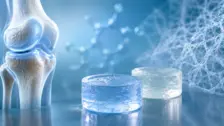
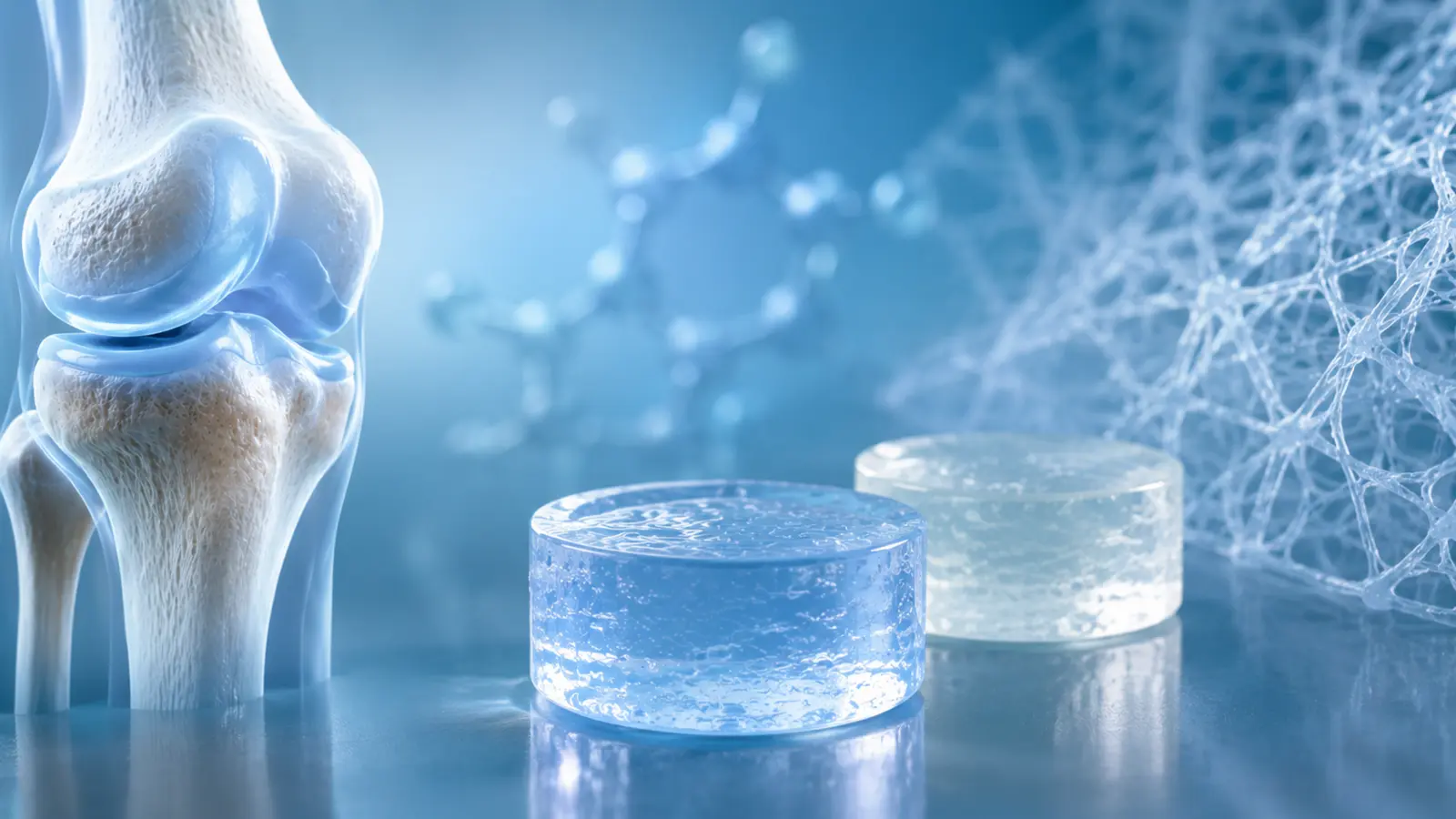
Artificial cartilage is expected to cushion impact, withstand repeated loading, and remain mechanically stable over time. But how can researchers determine whether a hydrogel truly mimics the behavior of natural cartilage?
Our latest Application Note demonstrates how rotational rheology provides the answer.
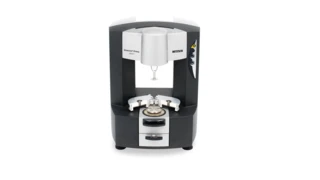
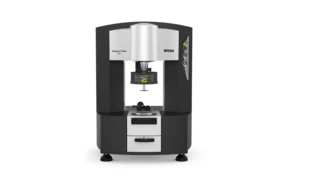
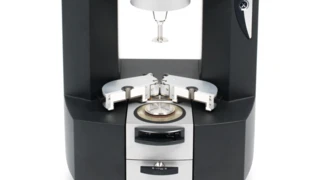
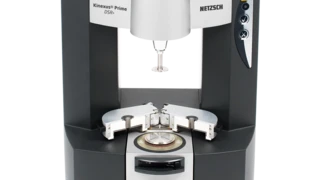
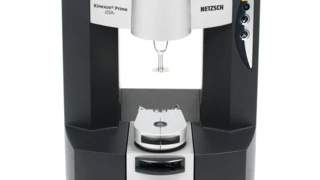
Using the NETZSCH Kinexus Ultra+ Rotational Rheometer, researchers investigated polyvinyl alcohol (PVA) hydrogels with different polymer concentrations to evaluate their suitability for cartilage replacement. Amplitude and frequency sweep measurements revealed how the internal network structure influences stiffness, structural stability, and viscoelastic behavior ‒ key properties for load-bearing biomedical applications.
The study shows that increasing the PVA concentration significantly improves the hydrogel's mechanical strength and resistance to deformation while maintaining the energy-absorbing characteristics essential for artificial cartilage.
👉 Read the full Application Note to discover how rheological measurements help optimize hydrogel formulations for tissue engineering and other biomedical applications.