Introduction
The word “rheology” is composed of the two Greek stems “rheos” (to flow) and “-logy” (science). It refers to the study of the flow and deformation behavior of materials under certain conditions (temperature, shear rate, etc.). For most materials, these properties are heavily dependent on the speed of the process. For example, in general, polymers are Shear ThinningThe most common type of non-Newtonian behavior is shear thinning or pseudoplastic flow, where the fluid viscosity decreases with increasing shear.shear-thinning; that is, their shear viscosity, or resistance to flow, decreases with increasing shear rate. In contrast, some materials exhibit shearthickening behavior. A classic example from the kitchen is a starch water suspension. With slow movement, it can be mixed; a quicker beat leads to a heavy increase in shear viscosity, and the dispersion becomes hard.
Due to this heavy dependency of the shear rate on the rheological properties, characterization must be carried out under process-oriented conditions to be decisive. Two measurement methods are available. While the Rosand capillary rheometer captures the conditions of fast processes such as injection molding, the Kinexus rotational rheometer is suitable for applications with a slower shear rate, such as the flow of ketchup from the bottle and its structural constitution on the plate.
The Kinexus rotational rheometer also has, for these measurements, a sensitive normal force sensor with high force resolution, with which the force can be measured in a vertical direction. This, combined with high displacement resolution and a high data rate, enables the quantification of sensory perception in addition to the classical rheological investigations. For example, the Kinexus can be used to simulate the movements of the tongue against the palate when chocolate is melting in the mouth (see here for more information).
In the following, the normal force regulation of the Kinexus will be used to quantify the haptic behavior of a plastic foil keyboard.
Task and Objective
For a new product development project, a new plastic foil keyboard is intended to be used. Its push-button switch is to have the same tactile feedback as the switches of the serial plastic foil keyboard on previous products. To achieve this, the tripping force of the serial plastic foil keyboard is determined using the Kinexus rotational rheometer, and this is specified as the metric for the new plastic foil keyboard.
Samples and Measurement Methods
The measurements were carried out on the four switches of the plastic foil keyboard depicted in figure 1. The switches are named in table 1 in accordance with their symbols.
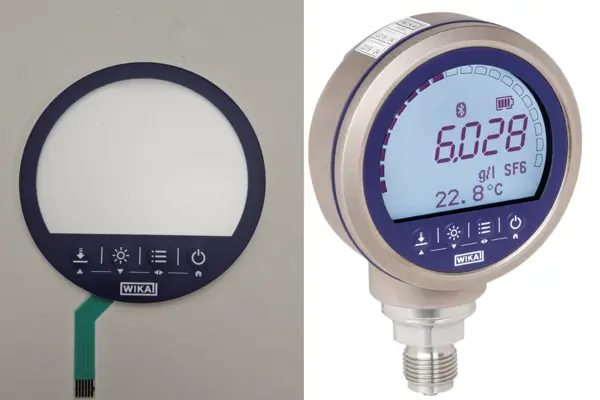
Table 1: Designation of the four switches
| Designation | Symbol |
|---|---|
| Switch 1 | Arrow |
| Switch 2 | Sun |
| Switch 3 | Lines |
| Switch 4 | Standby |
The plastic foil keyboard was sawed into two parts for the test, in order to avoid tipping during the investigation. Additionally, the flex lead was removed. The prepared plastic foil keyboard was laid onto the lower measuring plate of the Kinexus rotational rheometer (see figure 2).

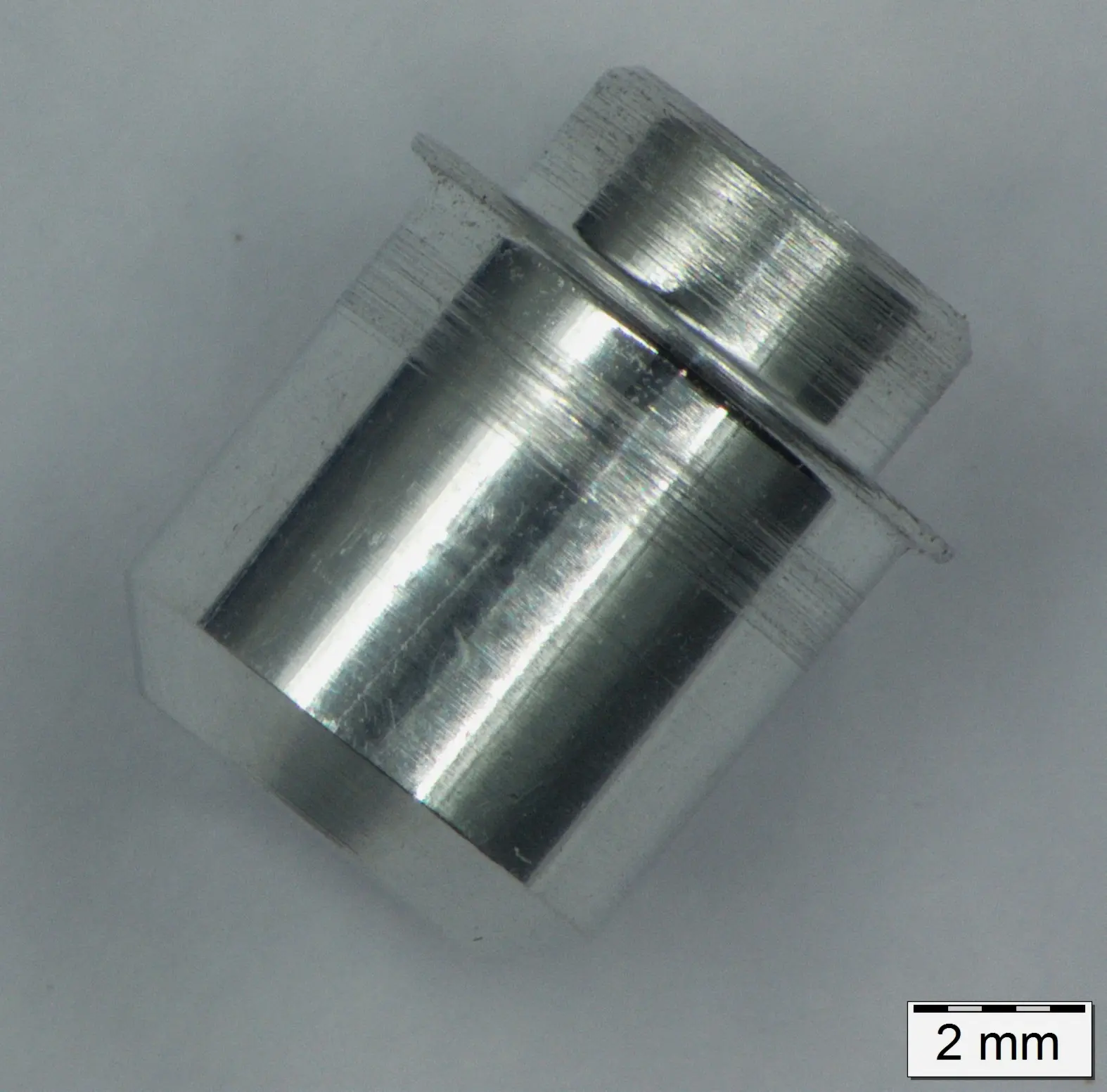
In the on-site Prototyping Department for mechanical fabrication, an 8-mm single-use plate geometry made of aluminum was turned by 5.4 mm (see figure 3). This was intended to ensure that exclusively the switch was being measured.
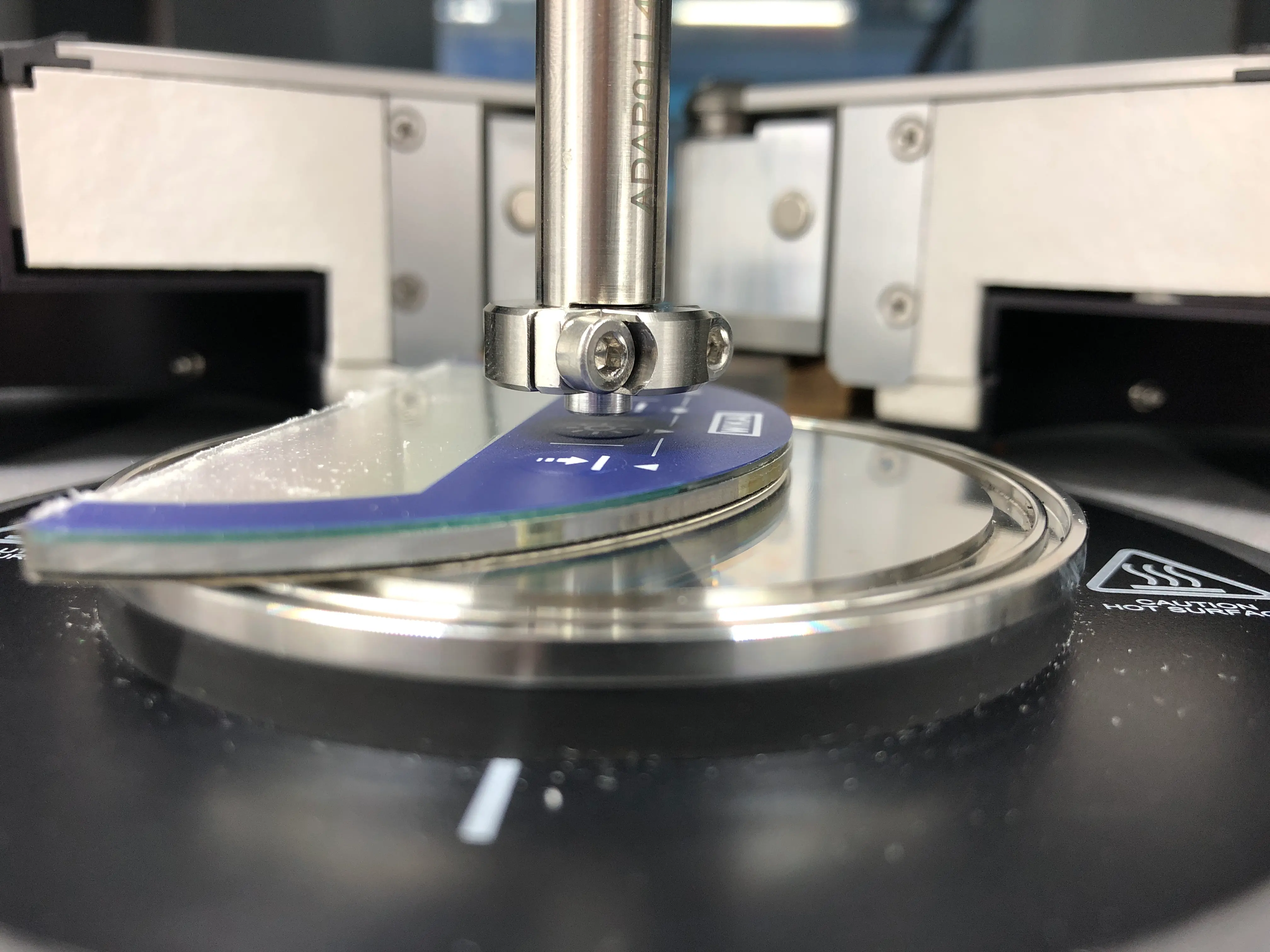
The upper measuring geometry was driven up to the keyboard. Afterward, the keyboard was oriented in such a way that the measuring geometry was positioned over a push-button switch (see figure 4).
Three measurements were carried out per switch. For this, a preliminary force (compression) was applied. At this point, the value for the displacement is set to zero. Afterward, a maximum force value is defined at which the test is terminated by the measurement and evaluation software, rSpace. After reaching the preliminary force, the measuring system drives with a speed of 0.01 mm/s toward the plastic foil keyboard until the maximum force is achieved.
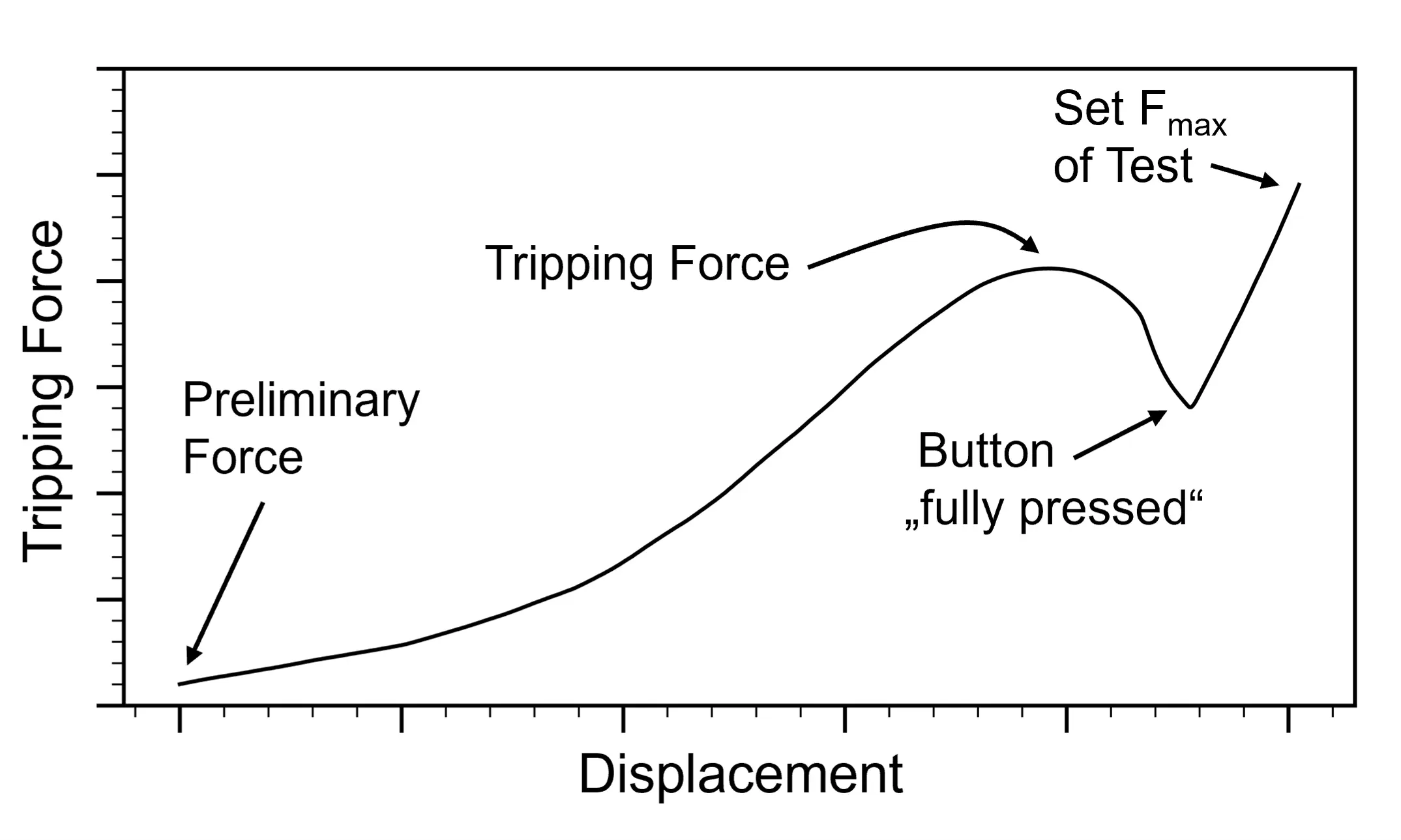
In figure 5, as an example, the resulting load-displacement diagram is depicted. The tripping force shows up as a local maximum. After exceeding the tripping force, less force is needed for pressing the button, until this is pushed through upon strike; the force thereafter increases linearly until the force shut-off value is reached.
Measurement Results
Figure 6 shows the load-displacement diagram for the three push-button switches. On the y-axis, the force is shown and the x-axis shows the displacement. The three curves shown in other colors for each plot depict the three tests per switch.
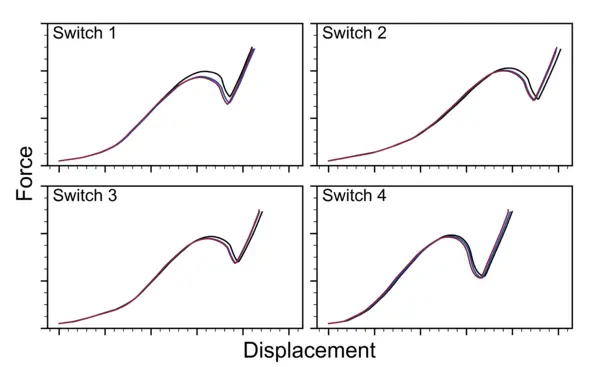
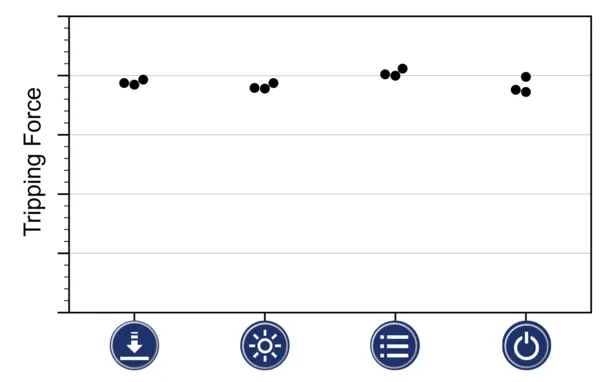
Figure 7 shows the measurement results of the laboratory test. On the y-axis, the tripping force is shown. The x-axis shows the respective push-button switches. In figure 6, the evaluation of the local maxima is presented.
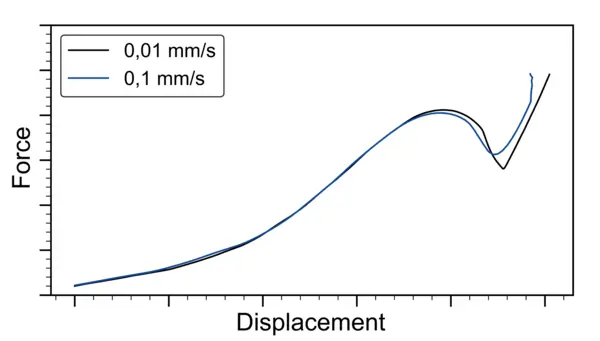
A further test with increased testing speed was carried out in order to ensure that no large deviation exists due to the testing speed (see figure 8). Here, however, there were no differences in the tripping force. The differences in force progression are within the reproducibility range (see also figure 6).
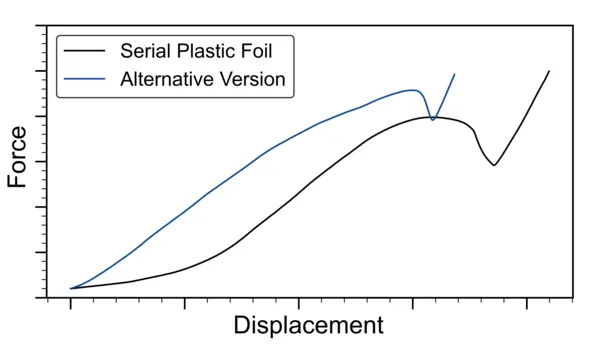
In addition, alternative keyboards were tested. Deviations can be seen in the force progression and tripping forces, as shown in figure 9 with an alternative example.
Summary
Thanks to its sensitive normal force regulation and high data rate, the Kinexus rotational rheometer was used to determine the haptic behavior of four push-button switches of a plastic foil keyboard. The results show that the tripping force can be measured reproducibly. This allows for determination of a standard for tactile feedback and comparison with alternatives.
Precision, Innovation, Trust – Measurement Technology by WIKA

For more than 75 years, WIKA has stood for precision and innovation in measurement technology. As a leading global partner, WIKA offers solutions for pressure, temperature, force, level, and flow measurement, as well as calibration and SF6 gas management.
With around 11,200 employees worldwide, WIKA develops application-specific solutions in collaboration with universities and industrial companies. Its products and systems combine reliability with state-of-the-art technology – for the advancement of its customers and partners.
In addition to the Kinexus rotational rheometer, WIKA works with the DMA 303 Eplexor®® and the TMA 402 F3 Hyperion®®. Both methods are used to determine the operating temperatures of polymers and materials, and to supplement technical data sheets for simulation.