19.08.2025 by Aileen Sammler
EN 13501 – Fire Classification in Europe and How NETZSCH Supports Compliance
Fire safety in buildings is not optional — it’s a legal and practical necessity. Across Europe, the EN 13501 standard defines a unified system for classification of the fire performance of construction products and building elements. Understanding this standard if essential for manufacturers, architects, builders, and testing laboratories for product development, certification, and market access.
In this article, we’ll explain what EN 13501 covers, why it matters for the construction industry, and how NETZSCH fire testing devices help you generate the necessary compliance data.
What is EN 13501?
EN 13501 is the European standard for the fire classification of construction products and building elements. It provides a common language for describing how materials behave in case of a fire, ensuring consistent, comparable results across all EU member states and many associated countries.
The standard is divided into several parts:
- EN 13501-1 – Reaction to fire
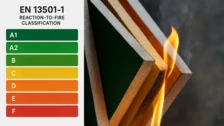
Classifies how construction products contribute to the start and growth of a fire. Classes range from A1 (non-combustible) to F (no performance determined, highly combustible and readily contributes to fire), with additional ratings for smoke production (s1–s3) and flaming droplets (d0–d2). - EN 13501-2 – Fire resistance
Evaluates building elements such as walls, floors, doors, and beams regarding their ability to maintain integrity, insulation, and load-bearing capacity over time in a fire. - EN 13501-3 – Fire resistance of service installations
Covers ducts, fire dampers, and other building services. - EN 13501-4 – Smoke control systems
Classifies fire resistance for smoke control dampers and systems. - EN 13501-5 – External fire performance
Assesses roofs and roof coverings exposed to external fire sources.
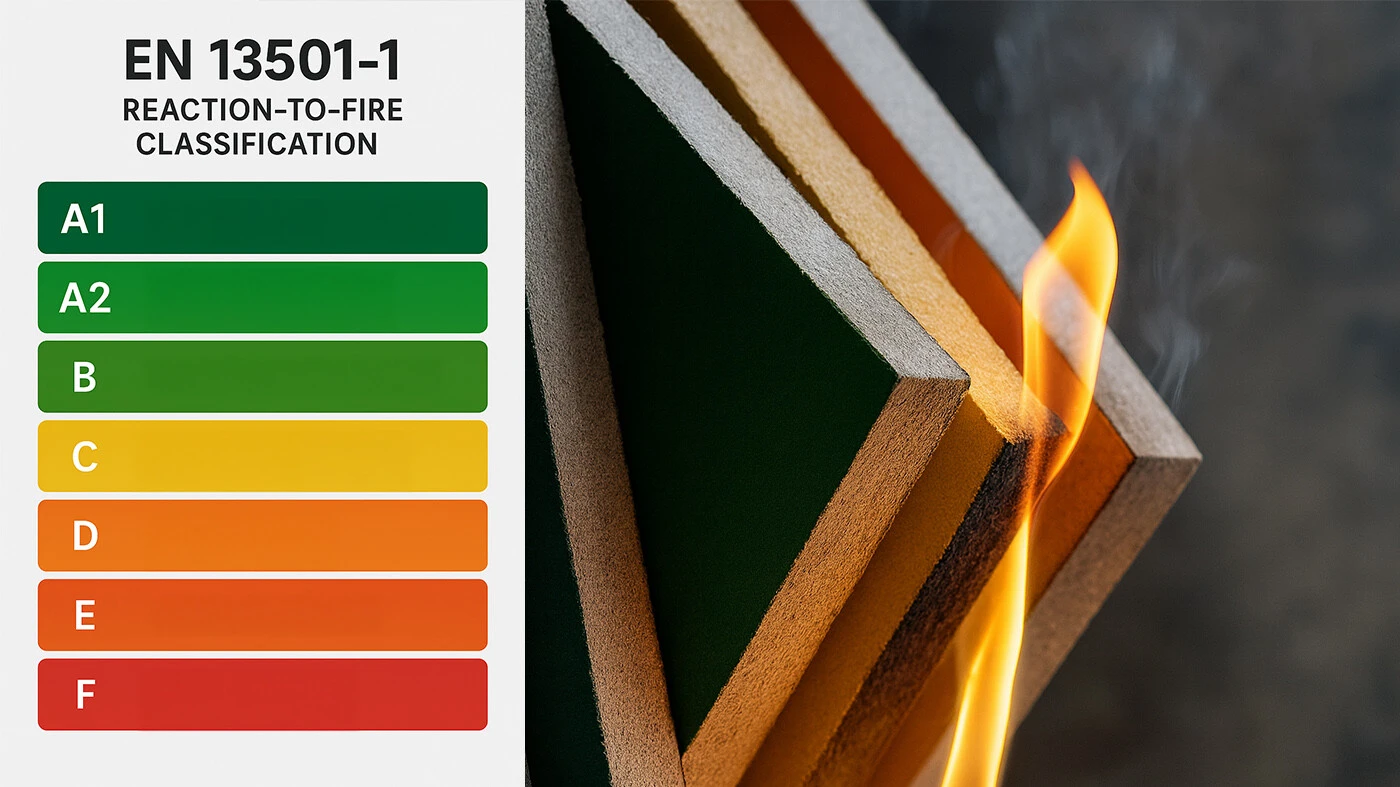
EN 13501-1 – Reaction-to-Fire Classes A1 to F
EN 13501-1 classifies building materials according to their fire behavior, ranging from class A1, where A1 stands for non-combustible materials with the highest fire resistance to class F for highly flammable materials with the worst rating. In addition to the fire class, the standard also rates smoke development (s1 to s3) and the formation of burning droplets or particles (d0 to d2), providing an overall picture of a material's reaction to fire.
EN 13501-1 – Reaction-to-Fire Classes A1 to F
| Class | Description | Typical Material Examples |
| A1 | Non-combustible; no contribution to fire at any stage | Stone, concrete, steel, glass |
| A2 | Very limited contribution to fire | Certain fiber cements, gypsum boards with limited organic content |
| B | Very limited fire growth; good fire performance but some contribution possible | Fire-retardant treated wood, some composites |
| C | Limited contribution to fire | Many treated wood products, thicker polymer panels with FR additives |
| D | Acceptable fire performance; moderate contribution to fire | Untreated wood panels, some plastics |
| E | Basic performance; able to resist a small flame for a short time | Thin wood panels, textiles |
| F | No performance determined | Untested materials |
Smoke (s) Classification:
- s1 – Little or no smoke production
- s2 – Medium smoke production
- s3 – High smoke production
Flaming Droplets/Particles (d) Classification:
- d0 – No flaming droplets or particles within 600 s
- d1 – Some flaming droplets/particles but extinguish within 10 s
- d2 – No requirements met for d0 or d1
Example:
B-s1,d0 = Material with very limited contribution to fire, little/no smoke, and no flaming droplets.
Why EN 13501 Matters
Under the EU Construction Products Regulation (CPR), many building materials must have a CE marking to be sold on the European market. The CE marking requires proof of performance in accordance with EN 13501.
Compliance with the standard ensures that:
- Fire performance data is comparable and reliable across Europe.
- Materials meet national building code requirements in all EU member states.
- Manufacturers can legally market and sell their products throughout Europe without undergoing re-testing in each country.
For architects and engineers, EN 13501 provides a trusted benchmark for selecting safe materials. For manufacturers, it’s a critical step in the product approval process.
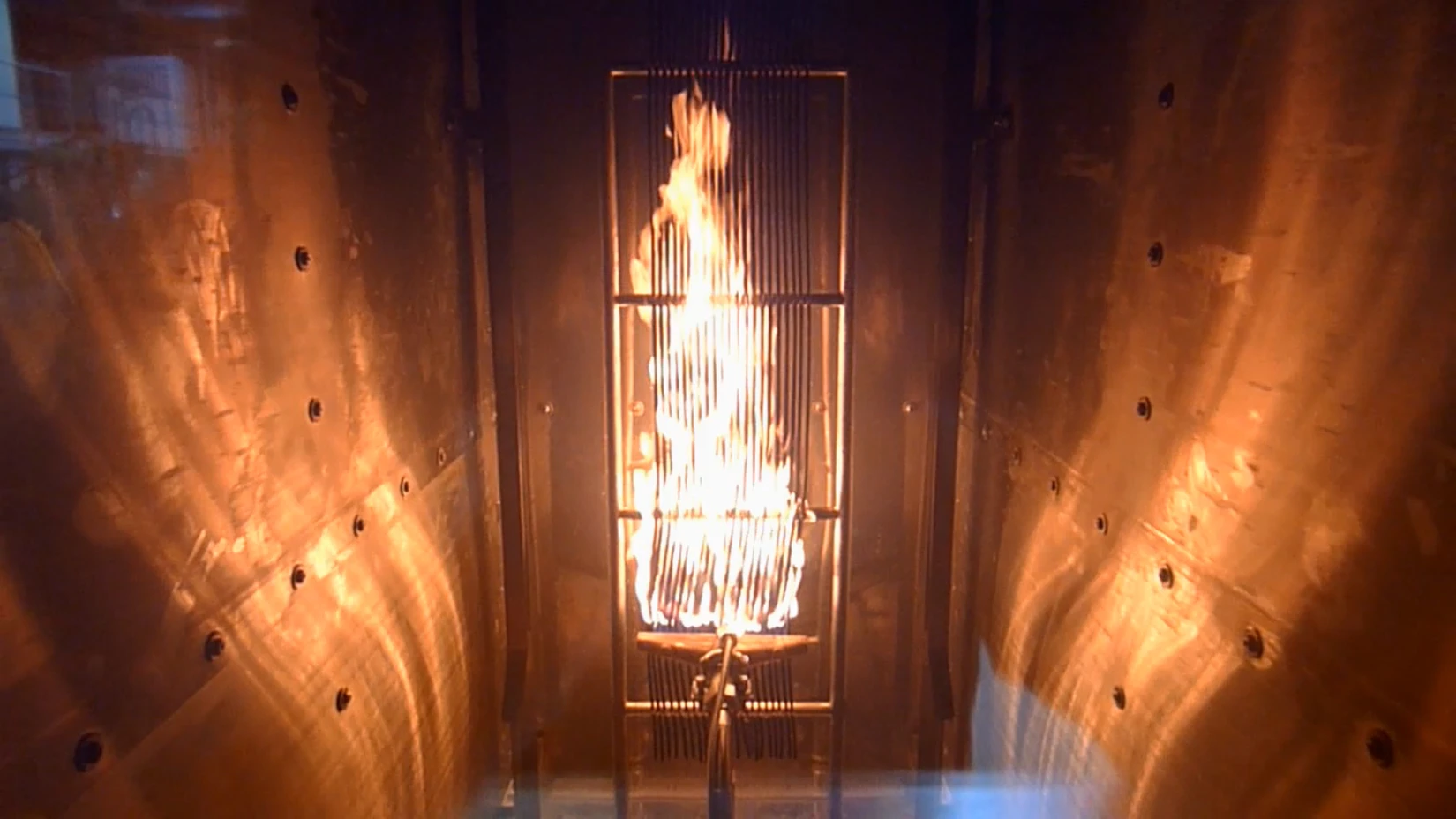
How NETZSCH Supports EN 13501 Compliance
At NETZSCH, we provide a full range of fire testing instruments that help manufacturers, testing laboratories, and research institutes generate the data required for EN 13501 classification.
Reaction-to-Fire Testing
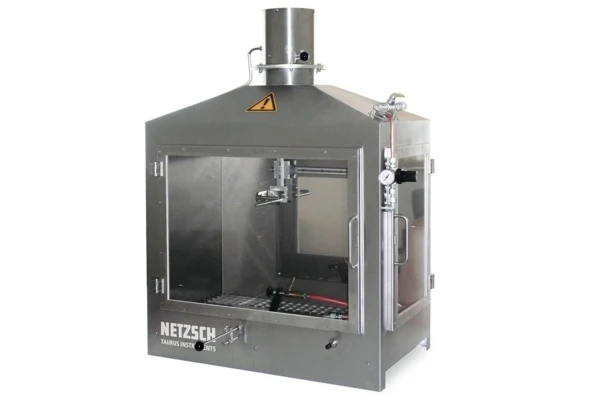
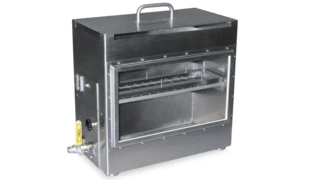
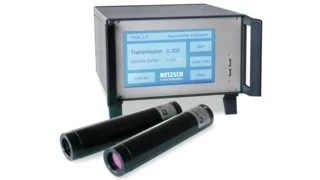
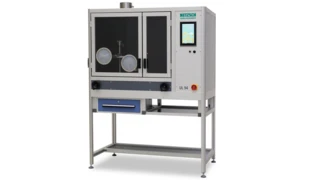
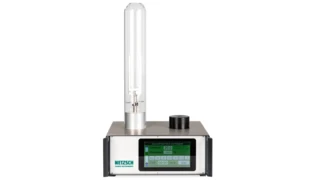
NETZSCH covers the EN 13501-1 test method with, e.g., the following instruments:
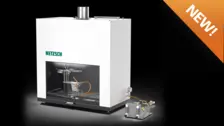
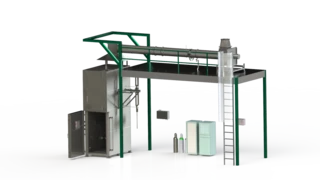
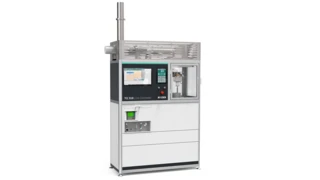
- TNB 912 for reaction to fire tests of building products: class A1 and A2 for non-combustibility tests in accordance with EN ISO 1182;
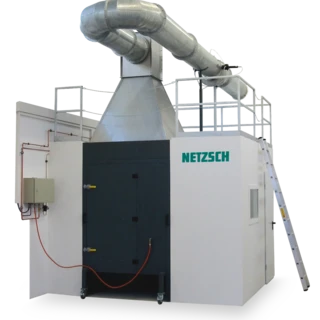
- SBI 915 – Simulates a fire starting in a room corner and measures heat release, smoke production, and flame spread to determine classes A2 – D: for building products excluding floorings exposed to the thermal attack by a single burning item in accordance with EN 13823;
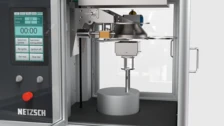
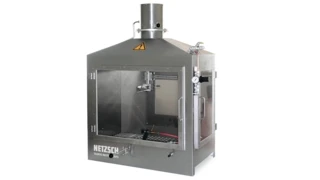
- Small Burner Box KBK 916 – A small flame test for materials targeting class B to E classification for reaction to fire tests: Ignitability of building products subjected to direct impingement of flame - Part 2: single-flame source test in accordance with EN ISO 11925-2;
See all NETZSCH fire testing instruments at a glance:

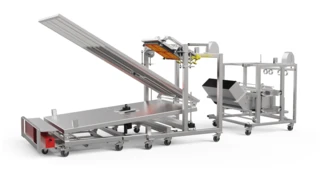
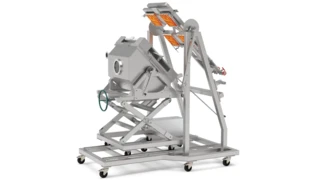
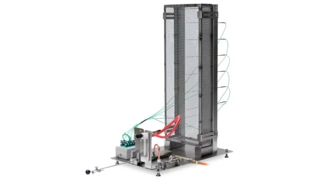
Precision, Reliability, and Compliance
All NETZSCH fire testing devices are designed to meet the relevant ISO, EN, and ASTM standards, ensuring that the results you generate are valid for EN 13501 classification. Our systems feature:
- High-accuracy sensors for repeatable, trustworthy results.
- Flexible configuration to test different product types and sizes.
- Data analysis software for fast, standardized reporting.
Expert Support by NETZSCH
Beyond instruments, NETZSCH Analyzing & Testing provides:
- Application support to ensure correct test setup and interpretation.
- Training programs (on-site, remote, or at our training centers) to help your team perform tests with confidence.
- Maintenance and calibration services to ensure your instruments perform to specifications.
Conclusion
The EN 13501 standard is the foundation of fire safety classification in Europe. Whether you are developing new building products, certifying materials for CE marking, or ensuring compliance with regulations, having reliable, accurate fire test data is essential.
With decades of expertise and a portfolio of proven fire testing instruments, NETZSCH helps you meet these requirements efficiently and confidently — supporting safer buildings and a safer future.