Paints, Coatings & Inks
Control Flow. Ensure Performance. Deliver Perfect Finishes.
Paints, coatings, and inks are polymer-based systems where performance is defined by flow behavior, stability, and curing.
From application to final film formation, these materials must behave precisely under changing conditions – during processing, storage, and use.
Understanding polymer behavior is key to achieving:
- consistent application
- stable formulations
- high-quality surface finishes
NETZSCH combines Kriechen (Rheologie)Creep is one of the earliest “controlled stress” rheometer tests that quite literally “creeps” the material, i.e. we measure over a relatively prolonged period the small movement (the creep defined as creep compliance, J) of the sample by applying a small constant stress.Rheology and Thermal Analysis to provide a complete understanding of polymer-based formulations.
How NETZSCH Supports Your Applications
- Architectural and decorative coatings
- Automotive coatings
- Industrial coatings
- Printing inks
- Functional coatings (barrier, conductive)
- Poor leveling or surface defects (e.g., orange peel, sagging)
- Pigment sedimentation during storage
- Inconsistent viscosity across batches
- Changes due to thermal degradation
- Uncontrolled curing or drying behavior
With NETZSCH solutions, you can:
- Optimize formulation performance
- Prevent defects before production
- Improve stability and shelf life
- Ensure reproducible quality
- Accelerate development cycles
Rheology is critical for paints, coatings, and inks.
Analyze:
- Shear-dependent viscosity (brush, roller, spray)
- Thixotropy and recovery behavior
- Yield stress (stability vs. flow)
- Viscoelastic properties
Optimize:
- application behavior
- leveling and film quality
- formulation stability
Understand how temperature affects your system:
- Glass transition (Tg)
- Thermal stability and degradation (TGA)
- Curing and Curing (Crosslinking Reactions)Der Begriff Crosslinking bedeutet wörtlich übersetzt "Vernetzung". Im chemischen Zusammenhang wird er für Reaktionen verwendet, bei denen Moleküle durch Einführung kovalenter Bindungen miteinander verbunden werden und damit dreidimensionale Netzwerke ausbilden.crosslinking reactions (DSC)
- Solvent evaporation
Gain the following:
- consistent performance
- controlled curing
- reliable processing windows
Why Polymer Characterization Matters
These systems are complex formulations of:
- polymer binders
- pigments and fillers
- solvents and additives
Their performance depends on a delicate balance between:
- flow under shear
- stability at rest
- drying and curing behavior
Even small formulation changes can significantly impact performance and quality.

Products for the Analysis of Paints & Coatings
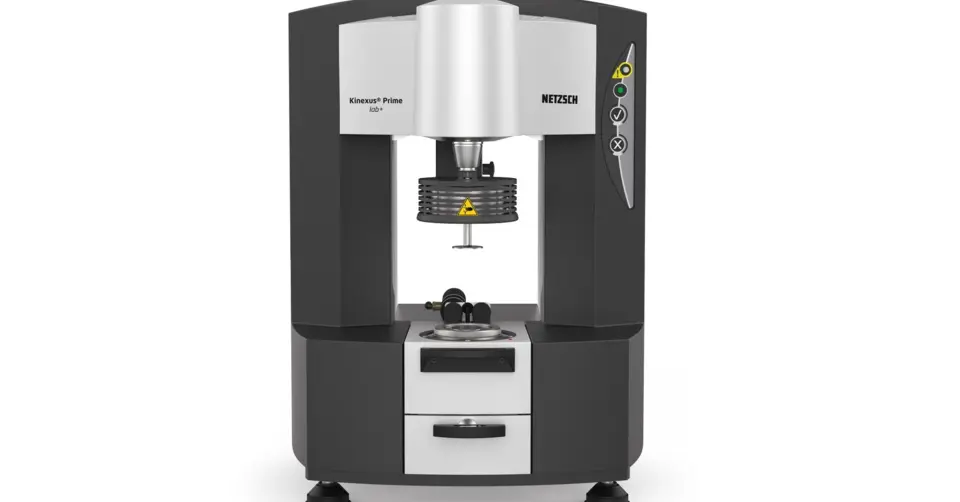
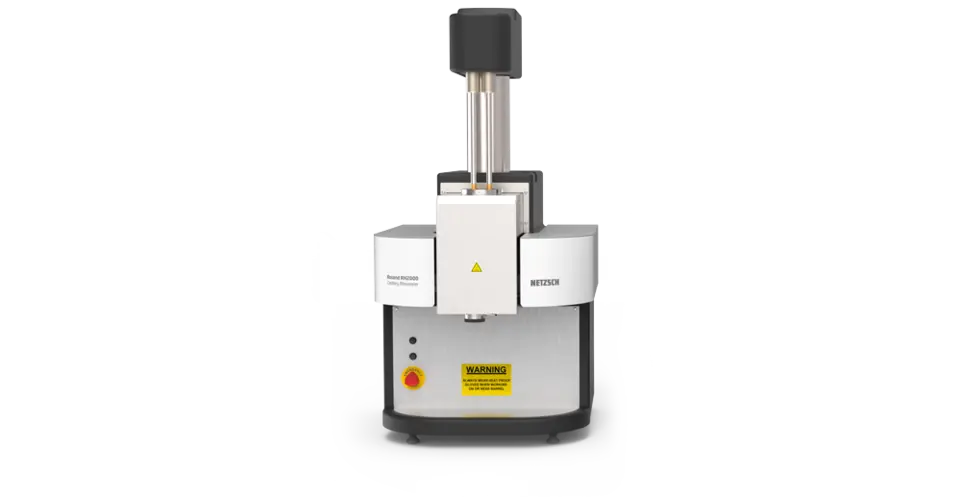
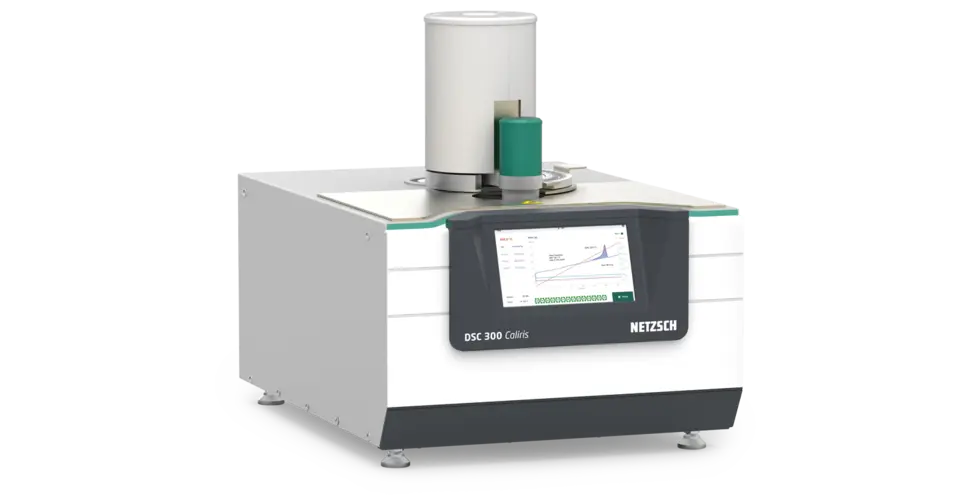
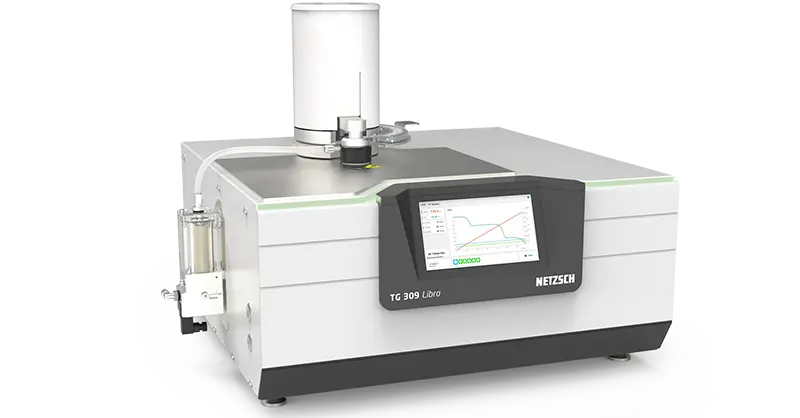
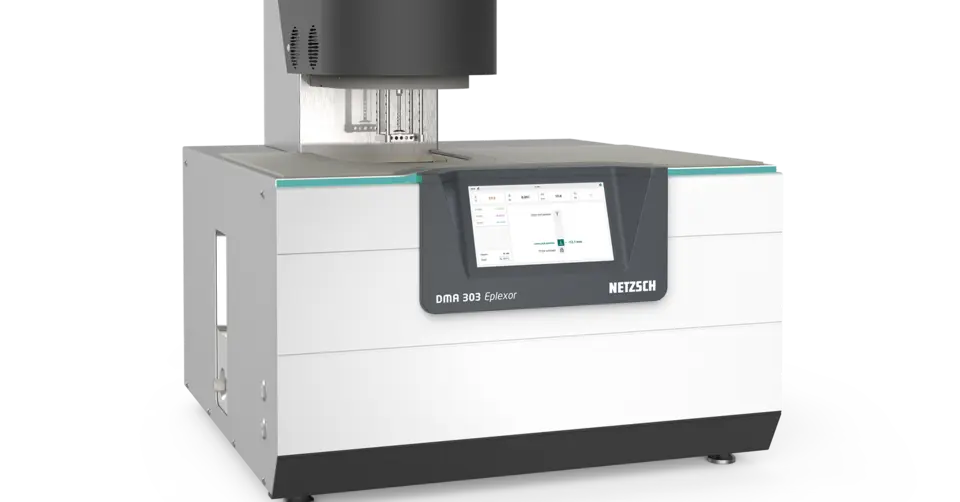
Please find here a selection of NETZSCH instruments for the analysis of paints, inks and coatings, representing just a part of our comprehensive portfolio of solutions.
Our Latest Blog Articles
- 09.09.2026
Einführung in die Rheologie von Dispersionen – Grundlagen, Einflussfaktoren und Messmethoden
- 14.04.2026
Die Kunst des Fließens: Wo Rheologie auf Kreativität trifft

- 31.03.2026
Warum eine hervorragende Fertigungsqualität bei Künstlerfarben und -tinten wichtig ist

- 18.03.2025
UV-Härtung in Polymeren: Einblicke durch thermische Analyse und Rheologie mit NETZSCH-Geräten
- 04.09.2024
Rheologische Charakterisierung von Flüssigfarben

- 08.01.2024
Rheologie für eine schnellere und intelligentere Materialformulierung

- 03.08.2023
Die Wissenschaft hinter der Aushärtung von Nagelgel

- 14.11.2022
Shape the Future of Paints and Coatings