Building & Construction
Ensure Durability. Meet Fire Safety Requirements. Optimize Performance.
Polymers play a key role in modern construction – from insulation materials and pipes to sealants, coatings, and structural components.
These materials must perform reliably over long lifetimes while being exposed to temperature changes, mechanical stress, environmental influences, and critical fire scenarios.
Understanding their behavior is essential to allow for:
- long-term durability
- consistent performance
- regulatory compliance
- fire safety
NETZSCH combines Thermal Analysis, Kriechen (Rheologie)Creep is one of the earliest “controlled stress” rheometer tests that quite literally “creeps” the material, i.e. we measure over a relatively prolonged period the small movement (the creep defined as creep compliance, J) of the sample by applying a small constant stress.Rheology, Thermophysical Testing, and Fire Testing to provide a complete understanding of polymer materials in construction.
Discover how NETZSCH supports polymer materials in construction with advanced analytical solutions.
How NETZSCH Supports Your Applications
- Polymer insulation materials (PU, EPS, XPS)
- Pipes and profiles (PVC, PE)
- Sealants and adhesives
- Coatings and membranes
- Flame-retardant polymer systems
- Thermal expansion and dimensional instability
- Ageing and environmental degradation
- Performance of flame-retardant systems
- Fire behavior and compliance
- Variability in recycled or modified materials
With NETZSCH solutions, you can:
- Meet compliance with fire safety regulations
- Improve durability and lifetime performance
- Optimize insulation properties
- Understand ageing and degradation
- Develop safer and more reliable materials
Understand how polymers behave under temperature:
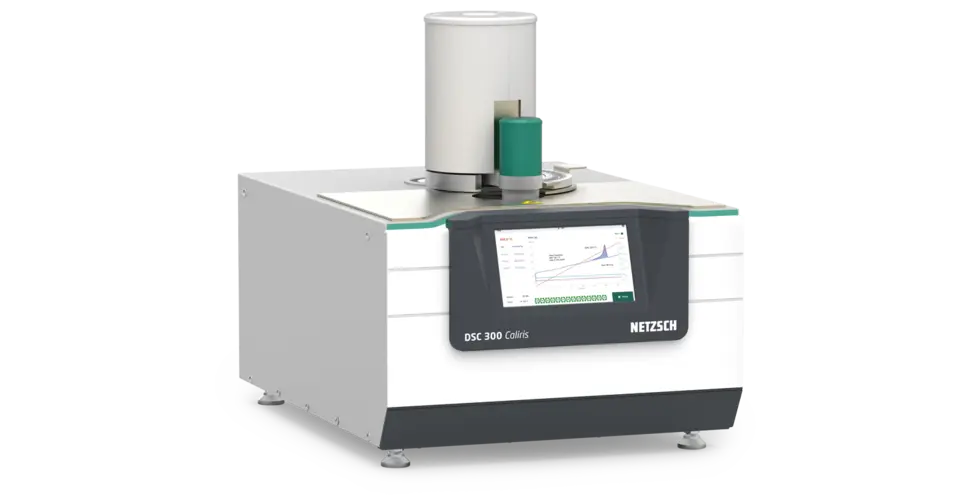
- Glass transition and melting behavior (DSC)
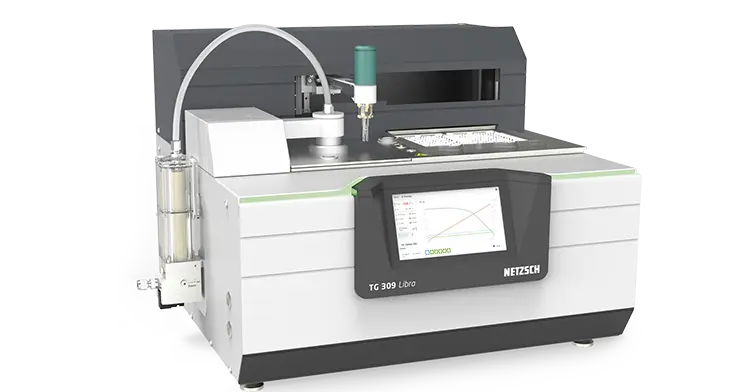
- Thermal stability and decomposition (TGA)
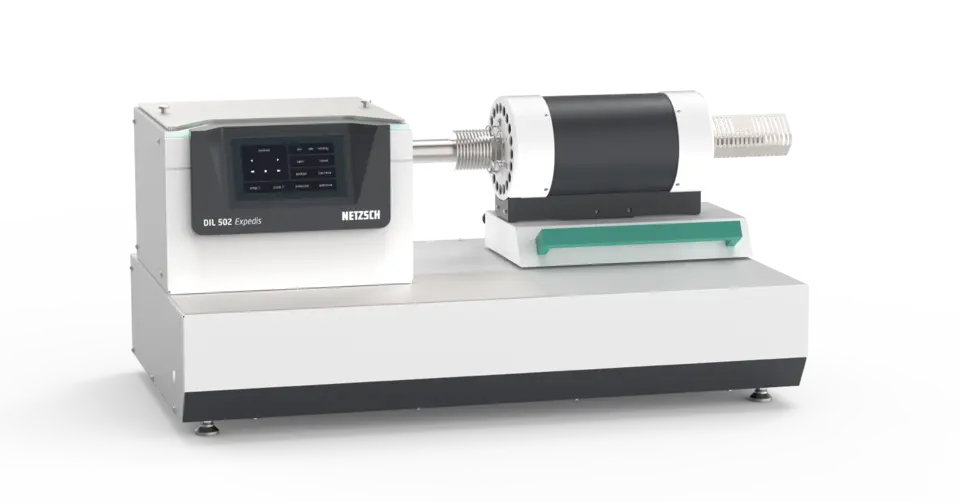
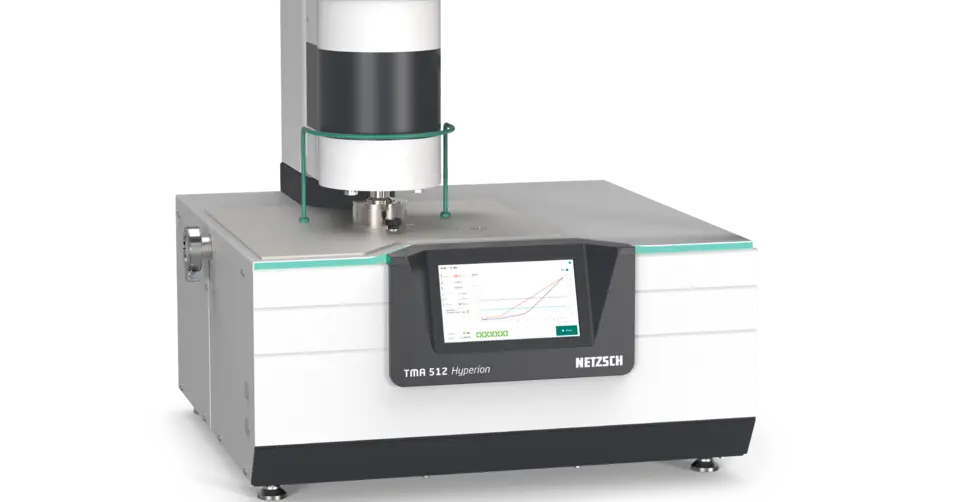
- Expansion and shrinkage (TMA, DIL)
Gain:
- material stability
- dimensional accuracy
- long-term performance
For coatings, sealants, and adhesives:
- Flow behavior during application
- Viscoelastic properties
- Curing behavior
Optimize:
- processability
- application quality
- performance consistency
Fire behavior is critical for construction polymers.
NETZSCH solutions provide insights into:
- Ignition behavior
- Heat release rate (HRR)
- Smoke development
- Flame-retardant effectiveness
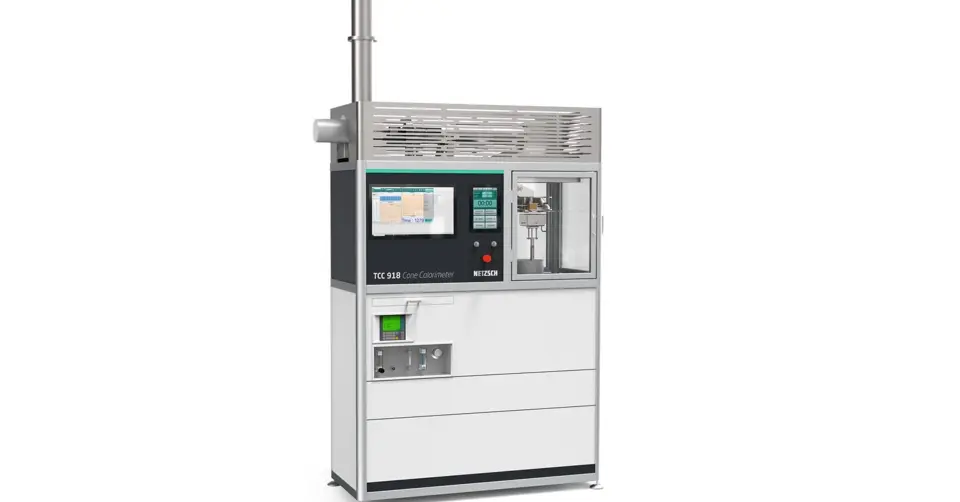
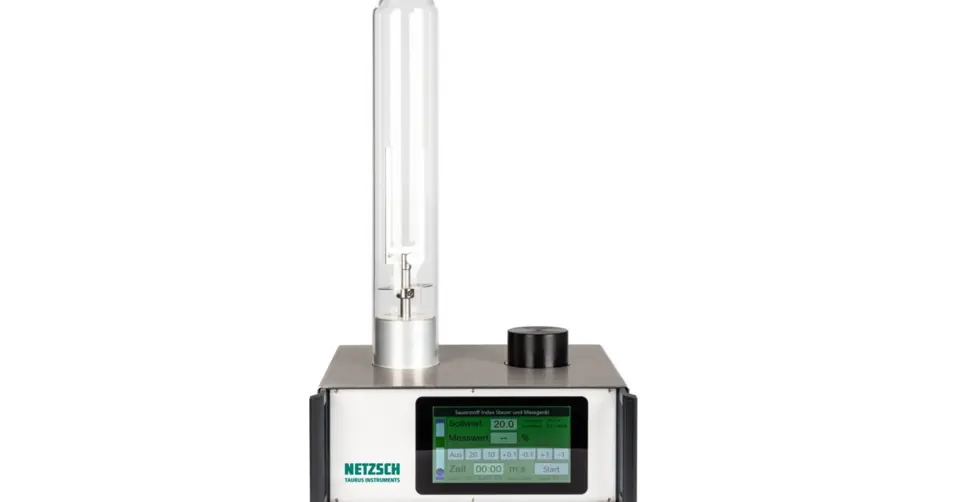
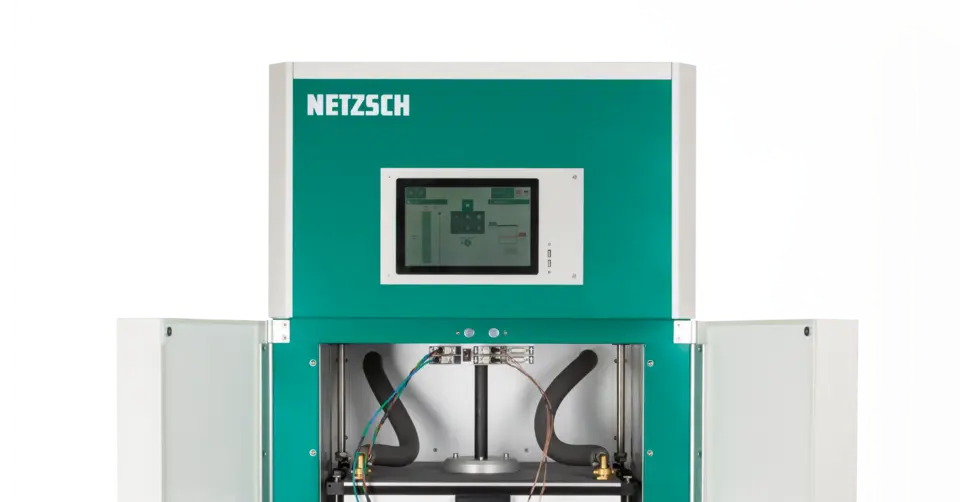
Using e.g., the TCC 918 Cone Calorimeter or the LOI 910 Oxygen Index, you can:
- evaluate fire performance
- meet safety standards
- optimize formulations
For polymer-based insulation systems:
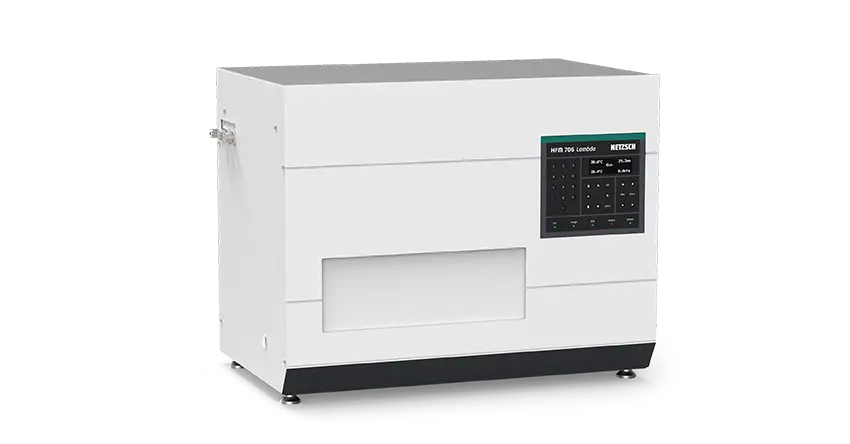
- Thermal conductivity (HFM)
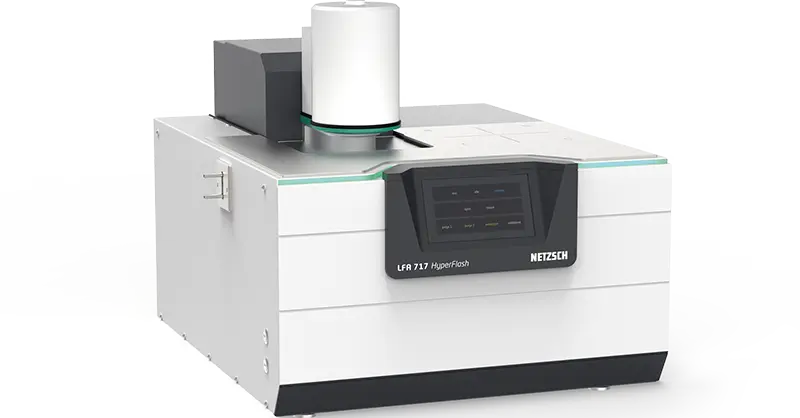
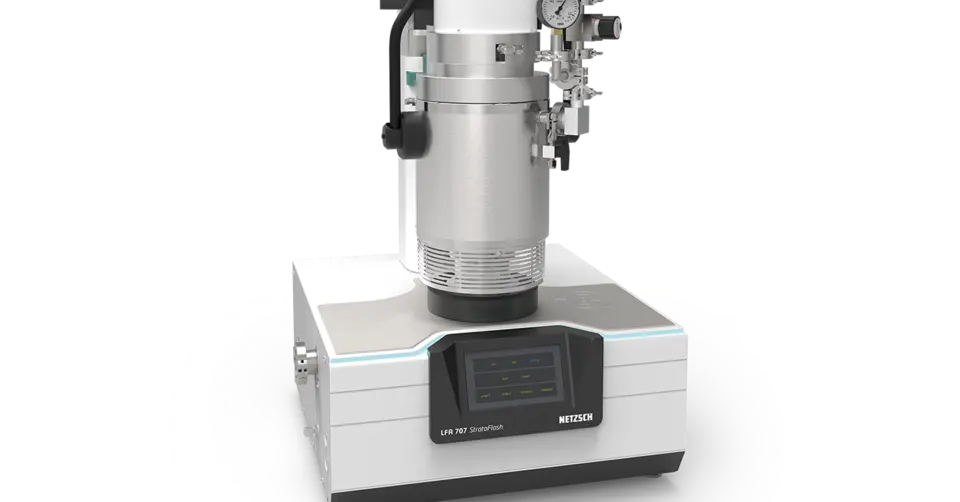
- Thermal diffusivity (LFA)
Improve:
- energy efficiency
- insulation performance
Why Polymer Characterization Matters
Construction polymers are often complex, modified systems:
- filled and reinforced materials
- multi-layer structures
- flame-retardant formulations
Their performance depends strongly on:
- temperature-dependent behavior
- composition and additives
- ageing and degradation mechanisms
Reliable analytical data is key to developing safe and durable construction materials.
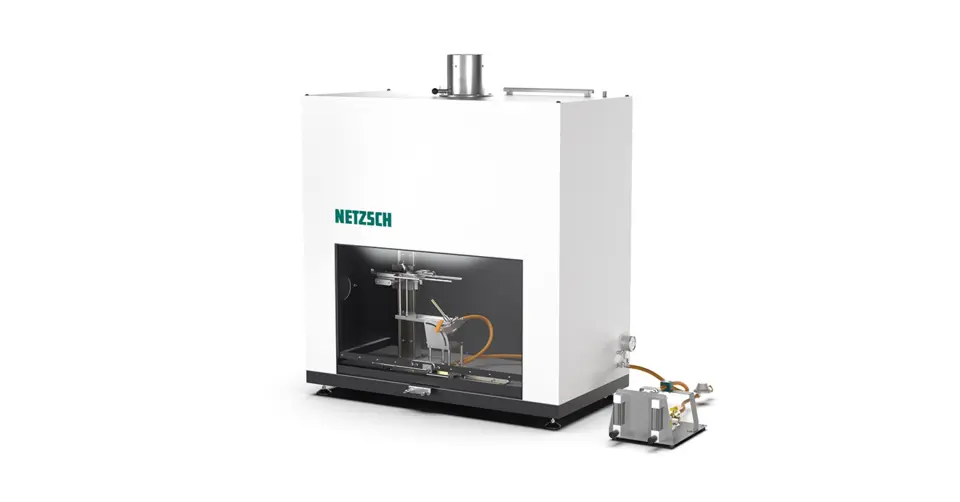
Products for the Building Industry
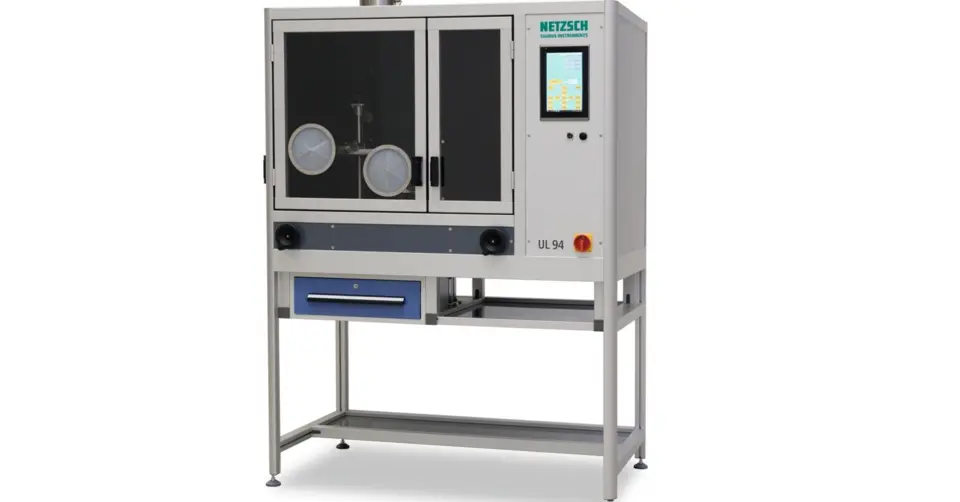
Please find here a selection of NETZSCH instruments, representing just a part of our comprehensive portfolio of solutions.

Our Latest Blog Articles
- 23.07.2025
Präzise, schnell und intuitiv Wärmeleitfähigkeit messen:
Entdecken Sie die neue NETZSCH HFM 706 Lambda-Serie
- 16.07.2025
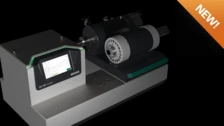
Das brandneue NETZSCH DIL 502 Expedis® Dilatometer: Die Zukunft der Tief- und Hochtemperatur-Dilatometrie
- 08.07.2025
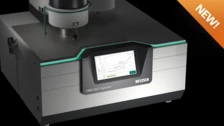
Beispiellose Vielseitigkeit in der thermomechanischen Analyse: Die neue NETZSCH TMA 512
- 05.03.2025
Brandprüfung stabilisierter Polyacrylnitrilfasern (PAN) mit dem NETZSCH LOI 901

- 20.01.2025
Wie die Technische Universität Queensland NETZSCH-Geräte zur Lösung thermoelektrischer und baustofftechnischer Aufgaben nutzt

- 08.01.2025
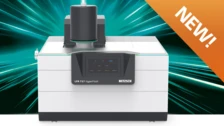
Die NETZSCH LFA 717: Präzision in der Wärmeleitfähigkeitsmessung neu definiert
- 21.11.2024
Die Messung Thermophysikalischer Eigenschaften mit Wärmeleitfähigkeit im Fokus
- 08.08.2023
Haben PVC-Bodenbeläge einen Einfluss auf unsere Gesundheit?