Highlights
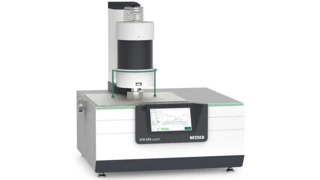
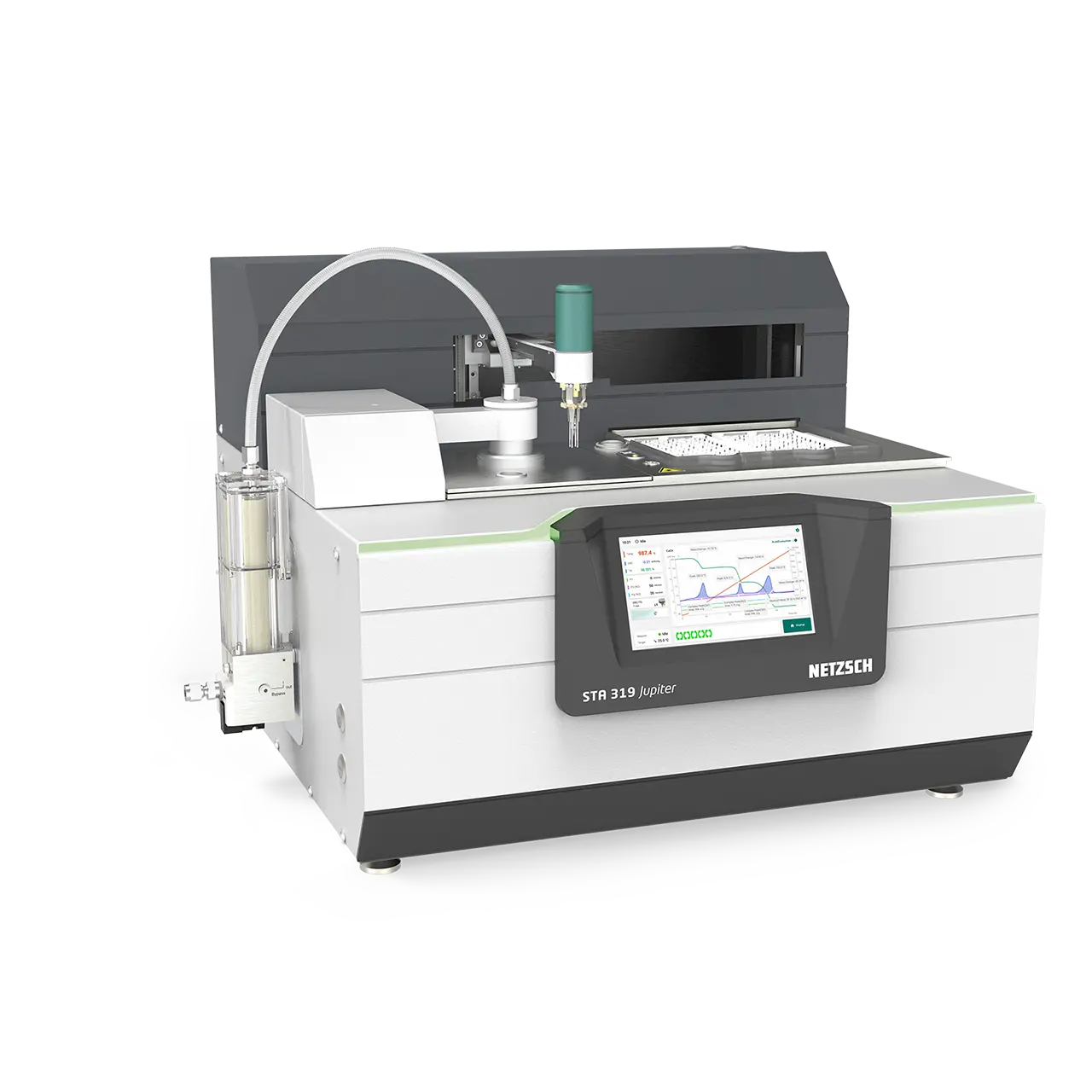
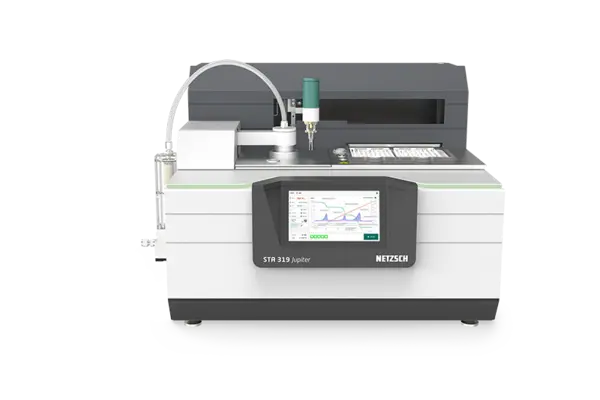
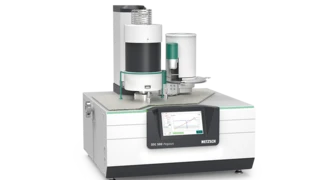
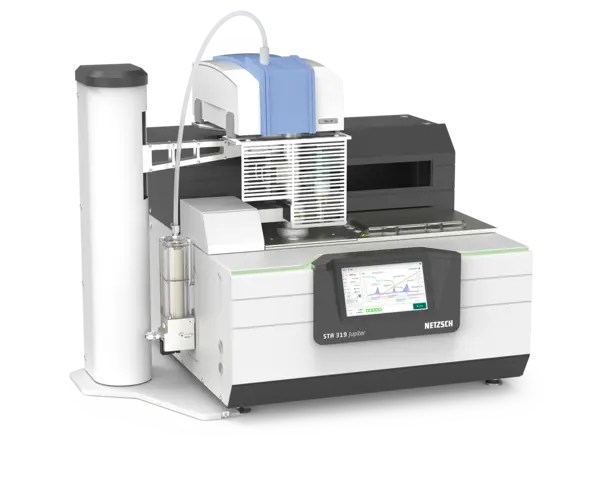
Experience the next generation of simultaneous thermal analyzers with the STA 319 Jupiter®
The STA 319 Jupiter® is part of NETZSCH's Jupiter® range of STAs and offers several advantages:
- Temperature range of 10°C (RT) to 1025°C (or up to 1100°C): ideal for polymer, life science and inorganic measurements.
- Robust water-cooled ceramic furnace for fast heating and cooling.
- Advanced top-loading microbalance: Provides an impressive 20-ng resolution for long-term, high-quality measurements.
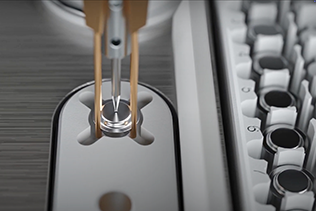
- Revolutionary ring sample holder design: eliminates the need for a standard reference crucible. Enables quick setup and minimizes handling errors.
- Defined atmospheric conditions thanks to vacuum-tight design.
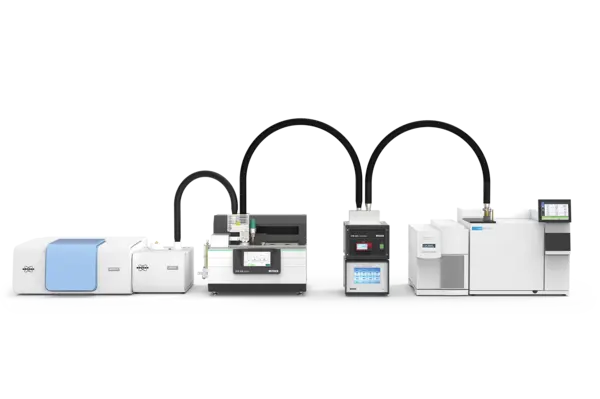
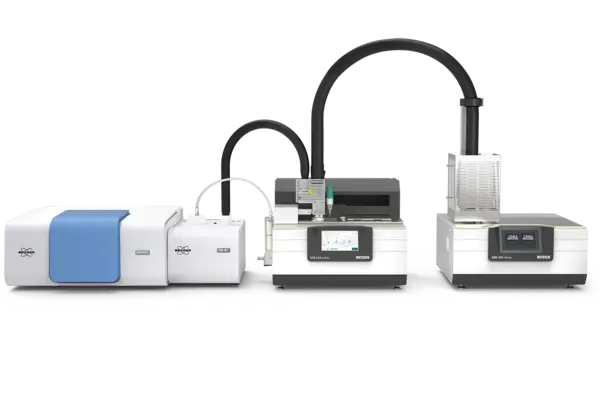
- Coupling to gas analysis enables real-time identification of the composition of evolved gases.
Check Out all Details of the STA 319 Jupiter®
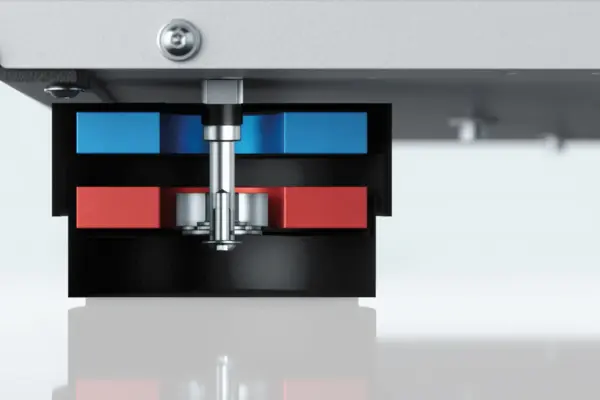
Magnetic Shock Absorbers
An optional magnetic levitation device can be used to elevate the instrument off the work bench. This eliminates the effect of external factors such as vibrations and contact, thus decreasing the number of measurements needed to produce reliable results.
Method
Thermogravimetric Analysis (TGA) / Differential Scanning Calorimetry (DSC)
What is Simultaneous Thermal Analysis?
Simultaneous Thermal Analysis (STA) is a method used to analyze the Thermal StabilityA material is thermally stable if it does not decompose under the influence of temperature. One way to determine the thermal stability of a substance is to use a TGA (thermogravimetric analyzer). thermal stability and composition of materials. It combines two techniques: Thermogravimetric Analysis (TGA) and Differential Scanning Calorimetry (DSC).
TGA measures the weight change of a material when it is heated or cooled, providing information on Decomposition reactionA decomposition reaction is a thermally induced reaction of a chemical compound forming solid and/or gaseous products. decomposition temperatures, moisture content, and Thermal StabilityA material is thermally stable if it does not decompose under the influence of temperature. One way to determine the thermal stability of a substance is to use a TGA (thermogravimetric analyzer). thermal stability. DSC measures the amount of heat required to increase the temperature of a sample, providing insights into Phase TransitionsThe term phase transition (or phase change) is most commonly used to describe transitions between the solid, liquid and gaseous states.phase transitions, heat capacity, and reaction enthalpies.
STA combines these two measurement methods by simultaneously recording weight change and heat flow of a sample. A small amount of the material is placed in a special container and is then heated or cooled. The STA instrument records both the weight changes and the heat absorbed or released by the sample. This method is particularly useful because it provides detailed data on the thermal properties and composition of a material, and its efficiency saves time and sample material.
STA is used in quality control, research and development, and failure analysis. It is essential for studying the behavior of polymers, pharmaceuticals, food, and other materials under different temperature conditions, making it an invaluable tool for scientists and engineers.

Measuring Principle
Here's how Simultaneous Thermal Analysis works:
- Sample Preparation: A small amount of the material (sample) is placed in a special container (crucible).
- Heating/Cooling: The sample is heated or cooled at a controlled rate.
- Measurement: As the temperature changes, the STA instrument records:
- Weight change: How much the sample's weight increases or decreases.
- Heat flow: How much heat is absorbed or released by the sample.
The STA Masterclass:
Your Monthly STA Webinar Series
Specifications
Technical Data
Temperature range
Balance resolution
Heating and cooling rates
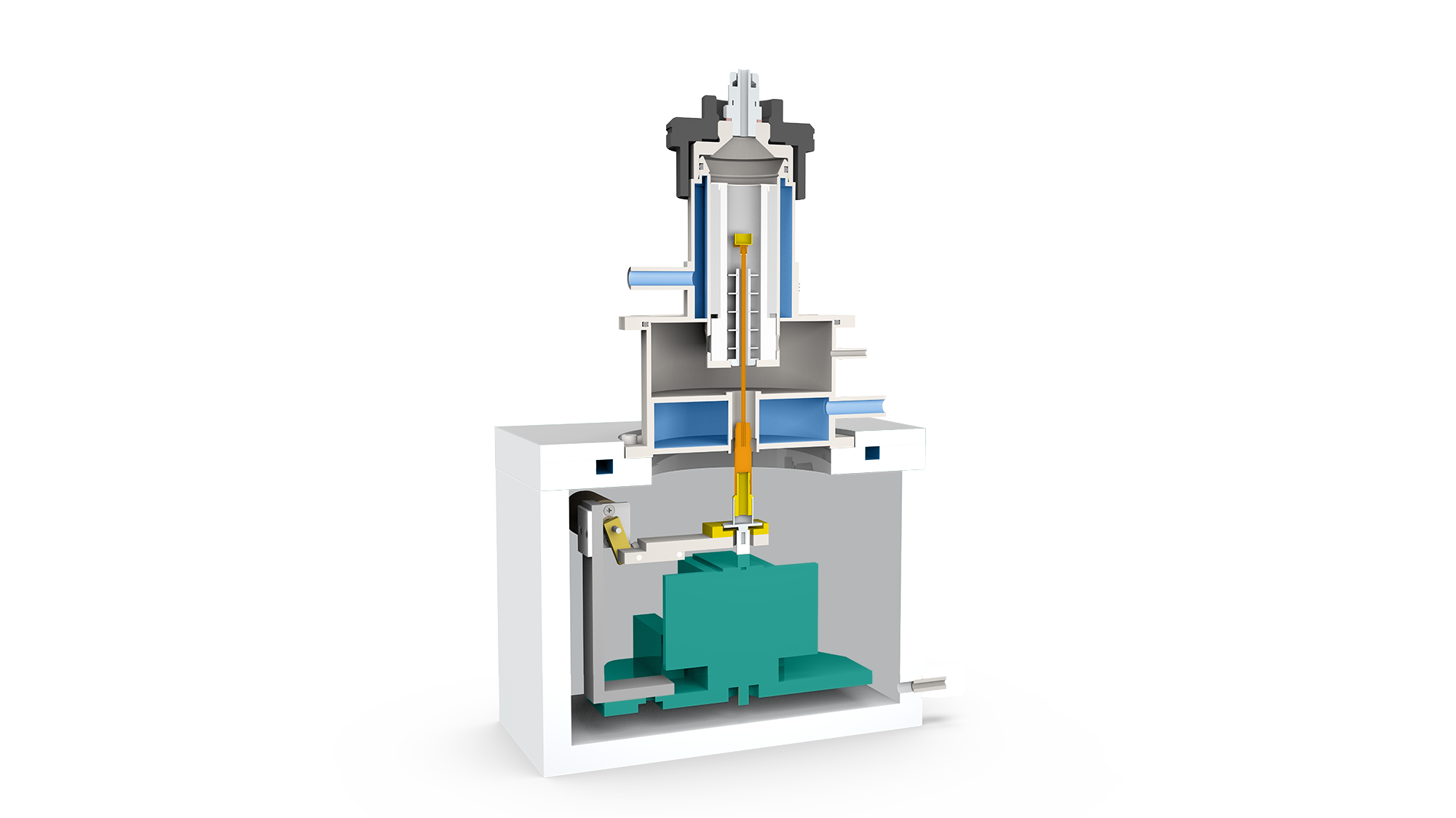
Fast cooling time:
In nitrogen: ≈ 12 min from 1100°C to 100°C
In helium: ≈ 5 min from 1100°C to 100°C, ≈10 min to 25°C
Wide measuring range:
2000 mg
Vacuum-tightness:
<< 10-1 mbar
Sample crucible volume:
up to 300 µl
TGA accuracy:
0.0003%
DSC accuracy:
± 5%
High-End 204-Sample ASC and Removable Sample Trays
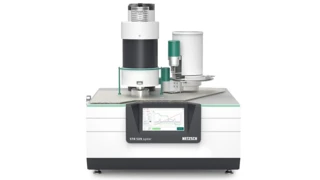
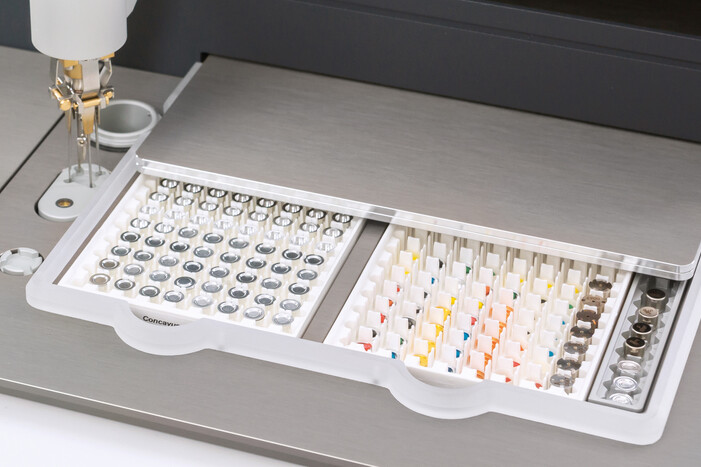
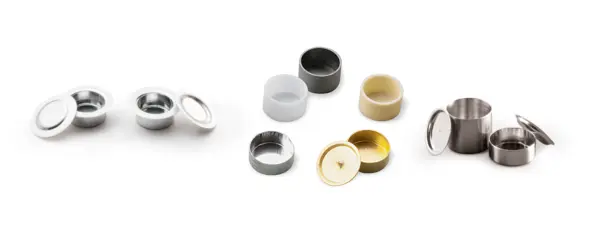
The STA 319 Jupiter® ASC is designed to hold two interchangeable sample trays in microplate format, each holding 96 samples. This allows for clear assignment of the samples when they are prepared away from the instrument. An additional fixed strip is reserved for up to 12 calibration materials or empty crucibles of different dimensions and materials for calibration and correction purposes. Of course, correction measurements with empty crucibles can also be defined on the trays.
Software
STA 319 Jupiter® with Proteus® - Our Powerful Analytical Software
AutoEvaluation
Objective Results Right After a Measurement
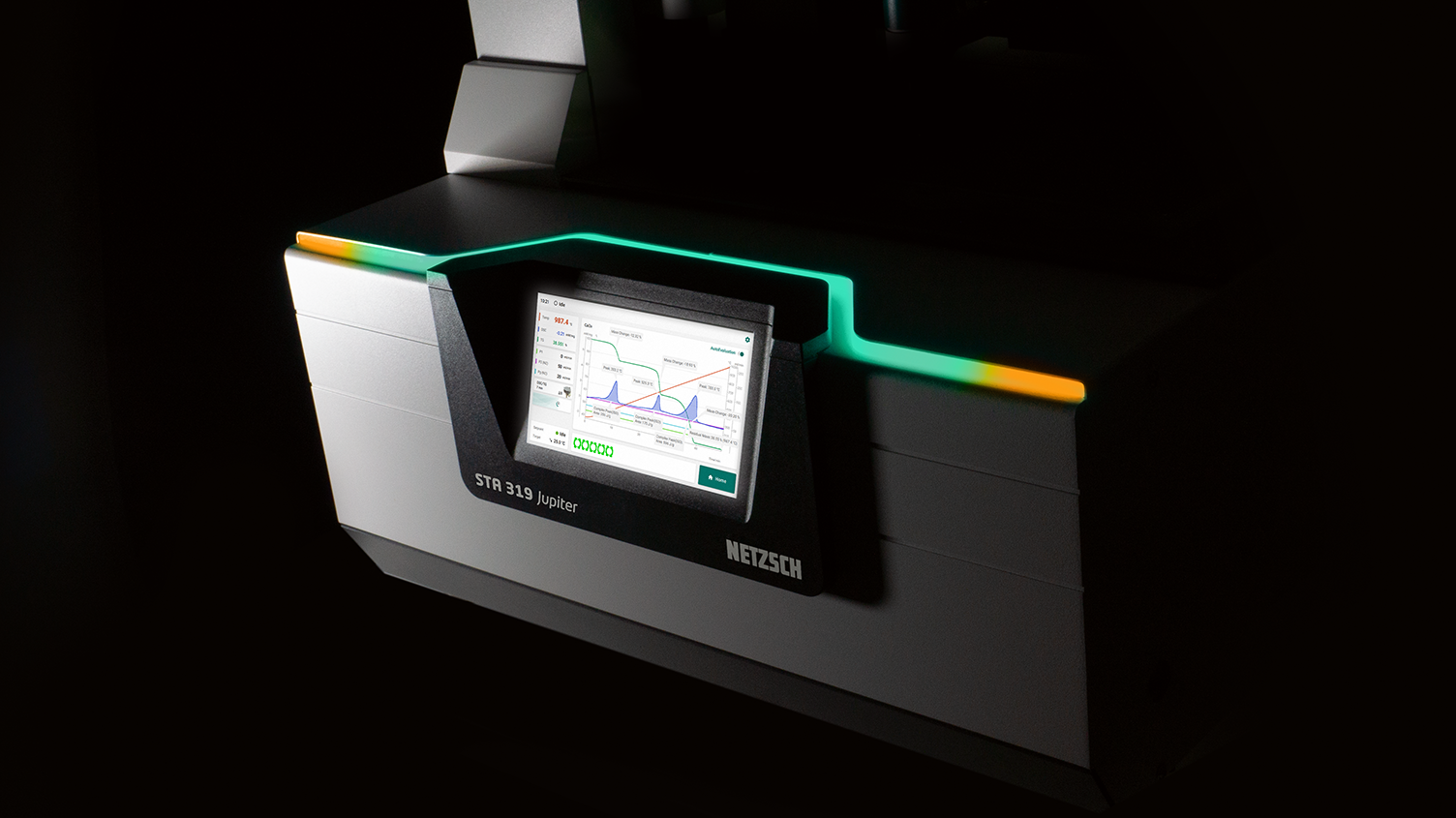
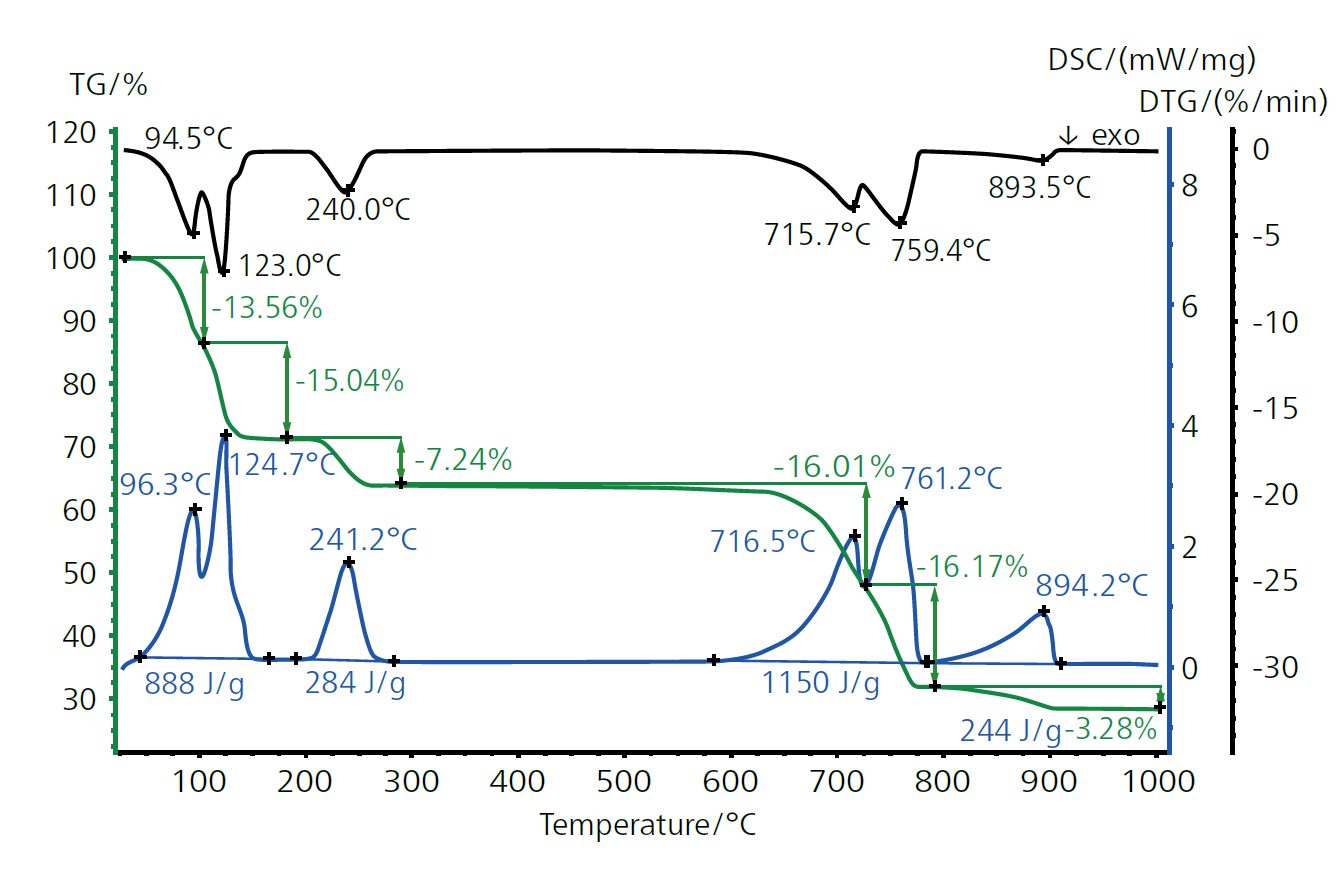
AutoEvaluation is the industry’s first fully self-operating evaluation system for TGA and DSC measurements, setting a new benchmark in thermal analysis. It automatically detects and analyzes key events, including mass changes, EndothermicA sample transition or a reaction is endothermic if heat is needed for the conversion.endothermic and ExothermicA sample transition or a reaction is exothermic if heat is generated.exothermic reactions, DTG curves, and peak temperatures, without requiring user input. Results are displayed in real time after each measurement, and there are flexible options to customize detection settings and visualization. AutoEvaluation empowers both beginners and experienced professionals to achieve faster, more reliable results with ease by combining speed, accuracy, and unbiased analysis.
Identify
The Database for Material Identification and Quality Control
Identify is a powerful, unique software solution for identifying and classifying materials in the field of thermal analysis. With over 1,300 reference entries spanning polymers, organics, pharmaceuticals, food, cosmetics, inorganics, ceramics, metals, and alloys from the extensive NETZSCH libraries, it delivers comprehensive coverage across industries. Identify supports a variety of signal types, including DSC, DSC-cp, TGA, TGA-C-DTA®, STA, DIL/TMA, and DMA. Users can easily expand the database with their own measurement data, creating a personalized library of unlimited size. With each new entry, Identify becomes an even more valuable tool, helping users compare results, interpret data, and plan future experiments with greater confidence and speed.
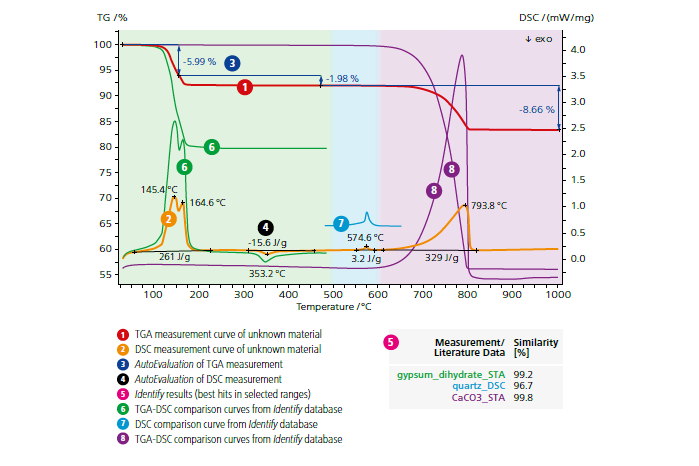
It is particularly advantageous that Identify can even simultaneously incorporate two types of measurements, such as TGA and DSC or c-DTA®, during identification. As shown in the example above, analysis with Identify in the temperature range below 500°C reveals that the TGA-DSC results are very similar to those found for gypsum (dihydrate, CaSO4·2H2O) in the database. The DSC peak detected at 575°C, which is due to the structural α→β transition of quartz, occurs also in the most similar database curve in that temperature range. Above 600°C, the best hit from the database search is a measurement showing the Decomposition reactionA decomposition reaction is a thermally induced reaction of a chemical compound forming solid and/or gaseous products. decomposition of calcium carbonate. In summary, the investigation showed that the unknown material consists of gypsum, quartz and calcium carbonate.

Eco Mode – Uses Energy Only when Needed
FOCUS ON EFFICENCY AND A MORE SUSTAINABLE LABORATORY
Promote sustainability without compromising performance. Modern laboratories must balance high-quality research with responsible use of resources, an area in which our solution excels.
Eco Mode transforms the way STA instruments operate. Rather than wasting energy during idle periods or experiencing long warm-up times, this intelligent, software-controlled feature automatically powers down the chiller when not in use. It then reactivates gas flow and temperature control based on your schedule. Your instrument is always ready when you need it, with no unnecessary downtime or energy loss.
You can reduce power consumption by over 700 watts during inactive phases, save up to 1,800 kWh annually, and cut gas usage by up to 50%. The result is lower operating costs, improved efficiency, and a substantially reduced carbon footprint, helping you create a more sustainable, future-ready laboratory.

Our Quality Promise:
NETZSCH’s Unlimited Warranty
At NETZSCH, our commitment to quality goes beyond the instruments themselves. We understand that your investment in advanced technology is a long-term one, and and that’s why we offer something truly unique – our Unlimited Warranty.
This instrument is LabV®️-ready.
Turn data into better products with LabV®—a centralized, AI-driven material intelligence platform that integrates data from this instrument and any other data sources. Designed for R&D and QC engineers, LabV® enables data-driven decision-making to drive innovation and ensure consistently high-quality results.
E-Learning
Become an Expert with our Free E-Learning Courses
All NETZSCH E-Learning Basic Courses are free of charge! The content is created by our laboratory method experts, who share their personal experiences with you. Take advantage of flexible online learning, fully adapted to your training needs!

Consultancy & Sales
Do you have further questions about the instrument or the method and would like to speak to a sales representative?
Service & Support
Do you already have an instrument and need technical support or spare parts?