08.06.2026 by Dr. Gabriele Kaiser, Aileen Sammler
6 Reasons Why Pharmaceutical Laboratories Trust NETZSCH Thermal Analysis
From thermal analysis to e-learning: Discover how NETZSCH supports pharmaceutical laboratories with DSC, TGA, STA and decades of application expertise.
Especially in drug development and stability assessment, pharmaceutical laboratories face one common challenge: making reliable decisions based on limited sample material while meeting the highest quality standards.
For decades, Differential Scanning Calorimetry (DSC) and Thermogravimetric Analysis (TGA) have been indispensable tools in pharmaceutical research and testing. Today, modern instrumentation, intelligent software, and integrated workflows make these techniques even more powerful, efficient, and accessible.
Here are six reasons why NETZSCH DSC and TGA systems continue to support pharmaceutical laboratories worldwide.

Reason 1: One Technology – Countless Applications
Pharmaceuticals are complex. Active pharmaceutical ingredients (APIs), excipients, formulations, packaging materials, and drug-device combinations all require different analytical approaches.
DSC helps characterize:
- melting behavior
- Glass Transition TemperatureThe glass transition is one of the most important properties of amorphous and semi-crystalline materials, e.g., inorganic glasses, amorphous metals, polymers, pharmaceuticals and food ingredients, etc., and describes the temperature region where the mechanical properties of the materials change from hard and brittle to more soft, deformable or rubbery.glass transition temperatures
- Specific Heat Capacity (cp)Heat capacity is a material-specific physical quantity, determined by the amount of heat supplied to specimen, divided by the resulting temperature increase. The specific heat capacity is related to a unit mass of the specimen.specific heat capacity
- PolymorphismPolymorphism is the ability of a solid material to form different crystalline structures (synonyms: forms, modifications).polymorphism
- compatibility of mixtures
- process-induced transformations
- Eutectic PurityA eutectic system is a homogeneous mixture of 2 components that melts and solidifies like a pure substance.eutectic purity
TGA complements these insights by providing information on:
- moisture and solvent content
- composition
- Thermal StabilityA material is thermally stable if it does not decompose under the influence of temperature. One way to determine the thermal stability of a substance is to use a TGA (thermogravimetric analyzer). thermal stability
- Decomposition reactionA decomposition reaction is a thermally induced reaction of a chemical compound forming solid and/or gaseous products. decomposition pathways
- PyrolysisPyrolysis is the thermal decomposition of organic compounds in an inert atmosphere.pyrolysis behavior
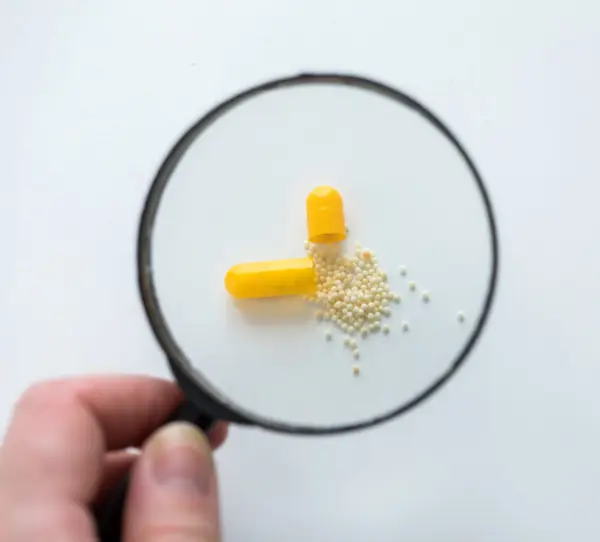
Furthermore, kinetics evaluation can be performed based on thermal analysis data. With the help of the NETZSCH Kinetics Neo software package, initial information about the shelf life of a drug can be derived from its Thermal StabilityA material is thermally stable if it does not decompose under the influence of temperature. One way to determine the thermal stability of a substance is to use a TGA (thermogravimetric analyzer). thermal stability – even under different climatic conditions.
Using a combination of TGA and a gas analysis system, such as FT-IR or GC-MS, it is also possible to Identify gaseous species evolved during heating and gain deeper insight into Decomposition reactionA decomposition reaction is a thermally induced reaction of a chemical compound forming solid and/or gaseous products. decomposition mechanisms and mass loss processes.
Read the following application note examples about the PyrolysisPyrolysis is the thermal decomposition of organic compounds in an inert atmosphere.pyrolysis of acetylsalicylic acid to learn more:
These application notes could also be of interest for you:
Simultaneous Thermal Analysis: Two Techniques in One Instrument
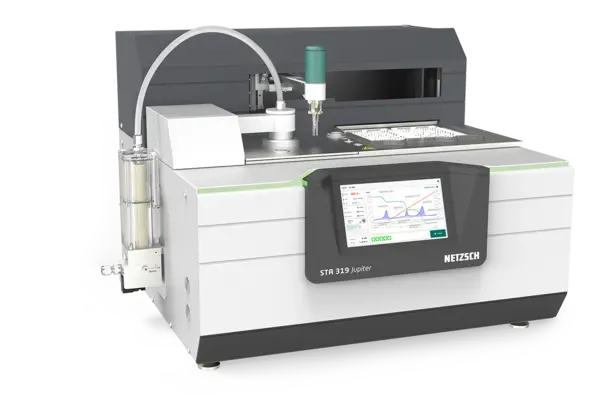
Simultaneous thermal analysis combines the best of both worlds by measuring heat-flow (DSC) and mass-change (TGA) data of the same sample under completely identical experimental conditions, thereby simplifying data interpretation and increasing efficiency.
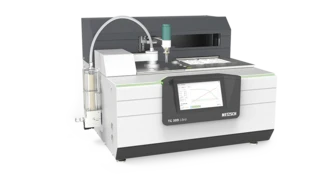
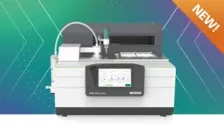
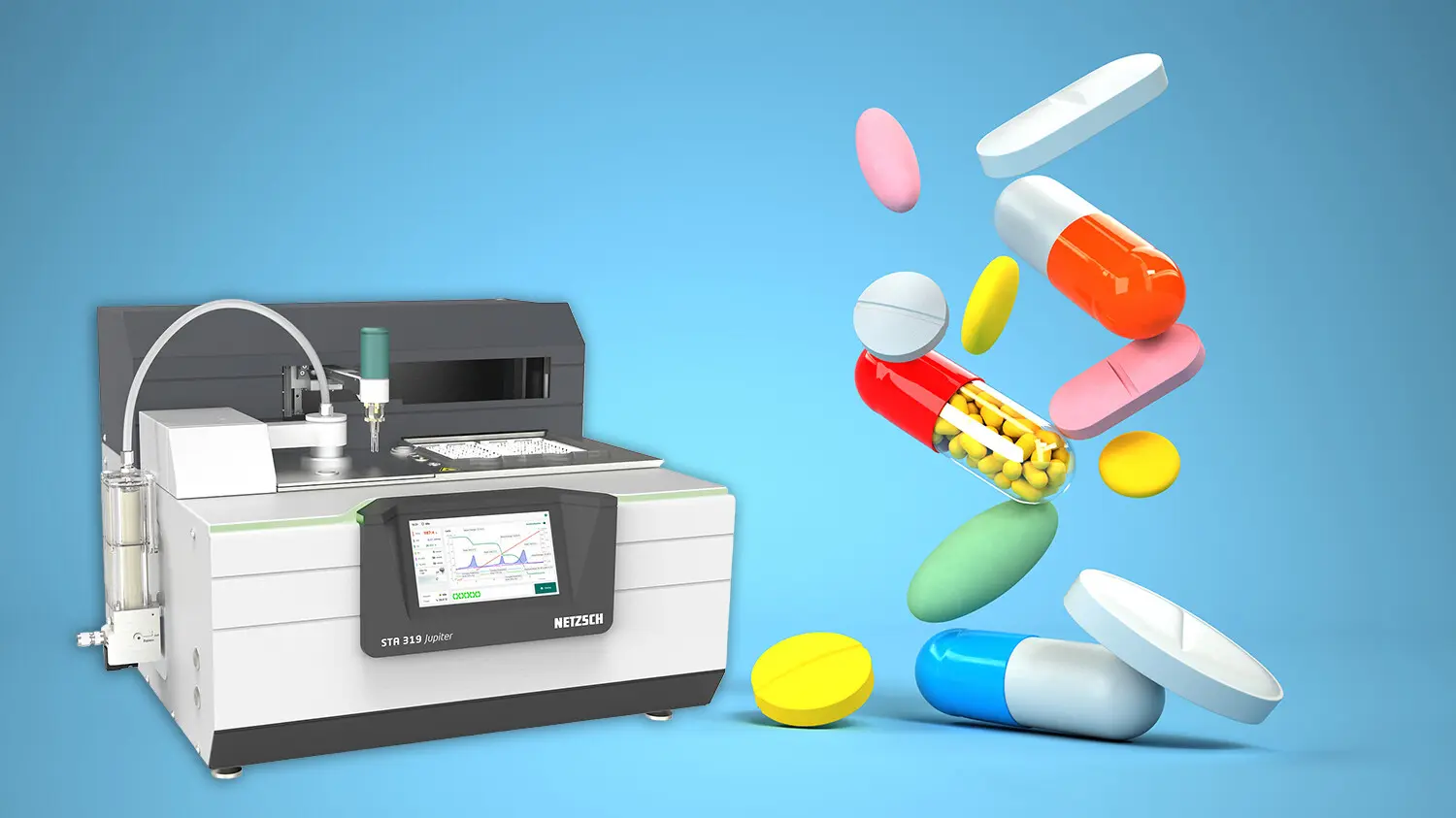
The newSTA 319 Jupiter® is ideal for laboratories seeking to maximize information gained from a single experiment.
Whether investigating formulation changes, studying stability, or supporting regulatory submissions, NETZSCH offers solutions covering the entire pharmaceutical workflow.
Reason 2: Minimal Sample Preparation
Thermal analysis simplifies laboratory work.
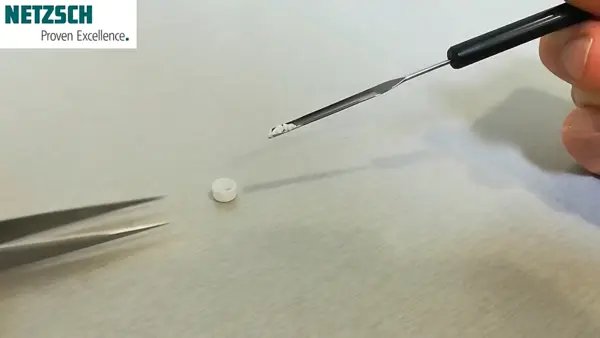
Most pharmaceutical samples can be measured directly without digestion, extraction, or extensive preparation. Powders are simply placed in crucibles or pans; liquids and semi-solid substances can also often be analyzed directly as received.
For DSC measurements, compacting powder samples can further improve thermal contact with the pan bottom and enhance measurement quality.
This straightforward workflow saves time, reduces operator influence, and minimizes the risk of introducing artifacts.
Watch also our short videos about sample preparation:
Reason 3: Meaningful Results from Just a Few Milligrams
During the early stages of development, sample availability is often limited.
Only a few milligrams are typically sufficient for DSC, TGA, or STA experiments. This makes thermal analysis particularly valuable for:
- pre-formulation studies
- API development
- compatibility screening
- formulation optimization
- Investigations involving expensive or limited materials
Small sample requirements enable rapid decision-making while conserving precious substances.
Whether the sample is solid, semi-solid, or liquid, thermal analysis allows meaningful investigations with minimal material consumption.
Reason 4: Fast Insights Supported by Smart Software
Reliable decisions depend on accurate results and their interpretation.
Modern NETZSCH software tools accelerate the process from experiments to gaining insight.
Features such as:
- AutoEvaluation
- Identify database search
- automated workflows
help users quickly generate and interpret results and compare measurements against extensive databases.
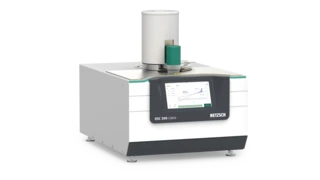
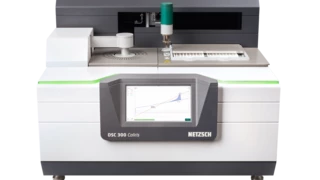
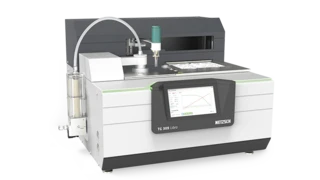
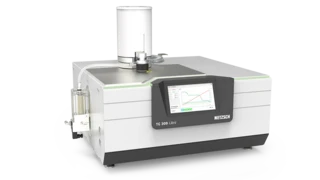
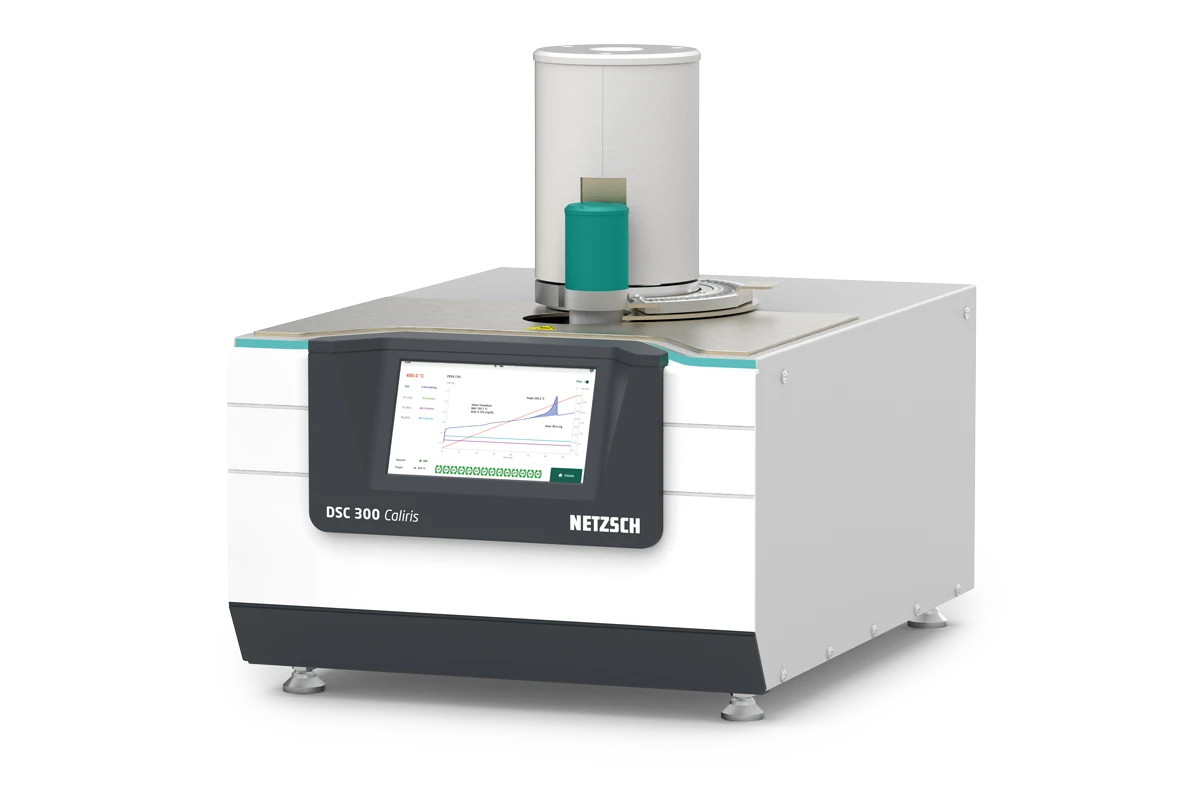
With these efficient software tools for NETZSCH instruments such as the DSC 300 Caliris®, TG 309 Libra®, and STA 319 Jupiter®, laboratories can increase their throughput without compromising on data quality.
Using a simultaneous thermal analyzer enhances efficiency even further, as two complementary signals can be recorded in a single experiment. This reduces experimental effort while providing a more comprehensive understanding of the sample's behavior.
Learn more about our special software solutions and latest innovations:



Reason 5: Benefit from Decades of Application Expertise and Free Learning Resources
Even the most advanced instruments deliver their full value only in the hands of knowledgeable and skilled users.
That is why NETZSCH complements its instrumentation portfolio withfree e-learning coursesthat help laboratories train new staff, refresh their essential knowledge, and promote best practices in thermal analysis.
Whether you are onboarding new employees, refreshing essential knowledge, or standardizing best practices across teams, these self-paced courses support confident operation and reliable results.
Our free e-learning courses cover topics such as:
- Thermal analysis fundamentals
- Influencing factors and best practices
- Sample preparation
- Software handling and data evaluation
- Product-specific guidance
👉 Explore our free e-learning courses here:
Become an Expert with our Free E-Learning Courses
All NETZSCH E-Learning Basic Courses are free of charge! The content is created by our laboratory method experts, who share their personal experiences with you. Take advantage of flexible online learning, fully adapted to your training needs!
For Those who prefer reading to expand their pharmaceutical thermal analysis expertise:
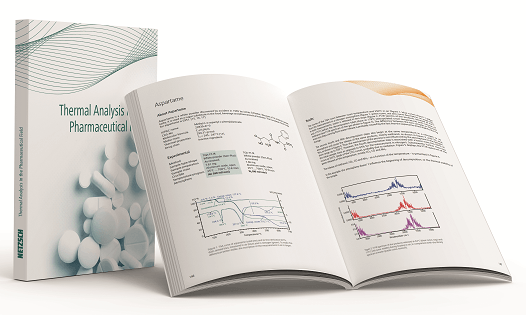
Our free Application Book, "Thermal Analysis in the Pharmaceutical Field", contains more than 260 pages of practical examples and expert knowledge, covering:
- Thermal analysis methods (DSC, TGA, STA and Gas Analysis)
- Characterization of amorphous and crystalline phases
- Purity
- Thermal stability
- Oxidative stability
- Storage conditions and shelf life
- PolymorphismPolymorphism is the ability of a solid material to form different crystalline structures (synonyms: forms, modifications).Polymorphism and Compatibility
Using a wide variety of pharmaceutical case studies, this book illustrates how experiments are performed and how meaningful conclusions can be drawn from the results.
Are you interested in the book?
Reason 6: Established Methods You Can Trust
Differential Scanning Calorimetry and Thermogravimetric Analysis are not emerging technologies – they are established analytical methods recognized both in universities and throughout the pharmaceutical industry.
Simultaneous thermal analyzers, such as the new STA 319 Jupiter®, integrate both techniques into a single instrument, facilitating data interpretation while increasing laboratory efficiency.
Both techniques are referenced in major pharmacopeias, including US Pharmacopeia (USP, chapter <891>), European Pharmacopoeia (Ph. Eur. 2.2.34) and Japanese Pharmacopoeia (JP), which are of fundamental importance in the following areas:
- research and development
- quality control
- contract testing
- stability assessment
- regulatory support
NETZSCH analysis instruments are specifically designed to meet these requirements and support laboratories in generating reliable, reproducible results every day.